Opossums in North Alabama — Removal, Damage, Prevention
After forty years on opossum jobs in North Alabama, we have learned what actually works on opossum — and what wastes a homeowner's money. This page lays it out.
🦝 42+ years in North Alabama🛡️ Licensed Alabama NWCO · insured🤝 Humane removal · family-owned⏱️ Most jobs scheduled in 24–48 hrs
About opossums in North Alabama
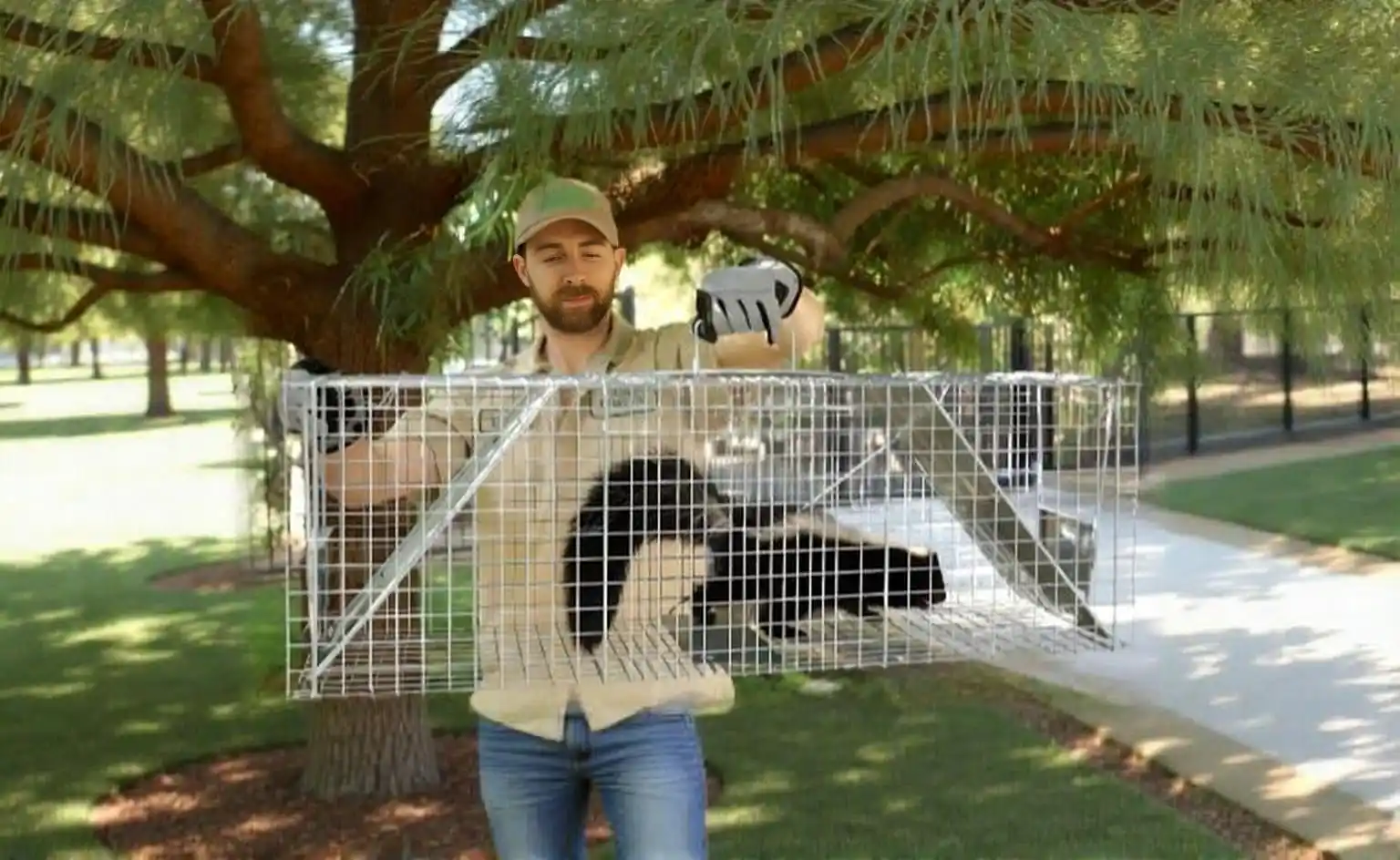
Opossums look intimidating but rarely fight — they play dead. They do, however, leave waste, attract flies, and tear into pet food and trash. We trap and relocate where appropriate and seal every access point.
Biology & behavior
Opossums are North America's only marsupial. Adults weigh 4–14 lbs, are typically transient, and rarely fight — they play dead. They consume large quantities of ticks and small rodents.
When this happens
Year-round activity; denning under decks and porches peaks in spring (joeys in pouch) and fall (winter shelter-seeking).
What's included on a opossum removal job
Live trapping and removal
Crawlspace and shed exclusion
Waste cleanup and sanitation
Trash and pet-food prevention advice
Quick reference
Fast answers about opossums in North Alabama
What opossums sound like
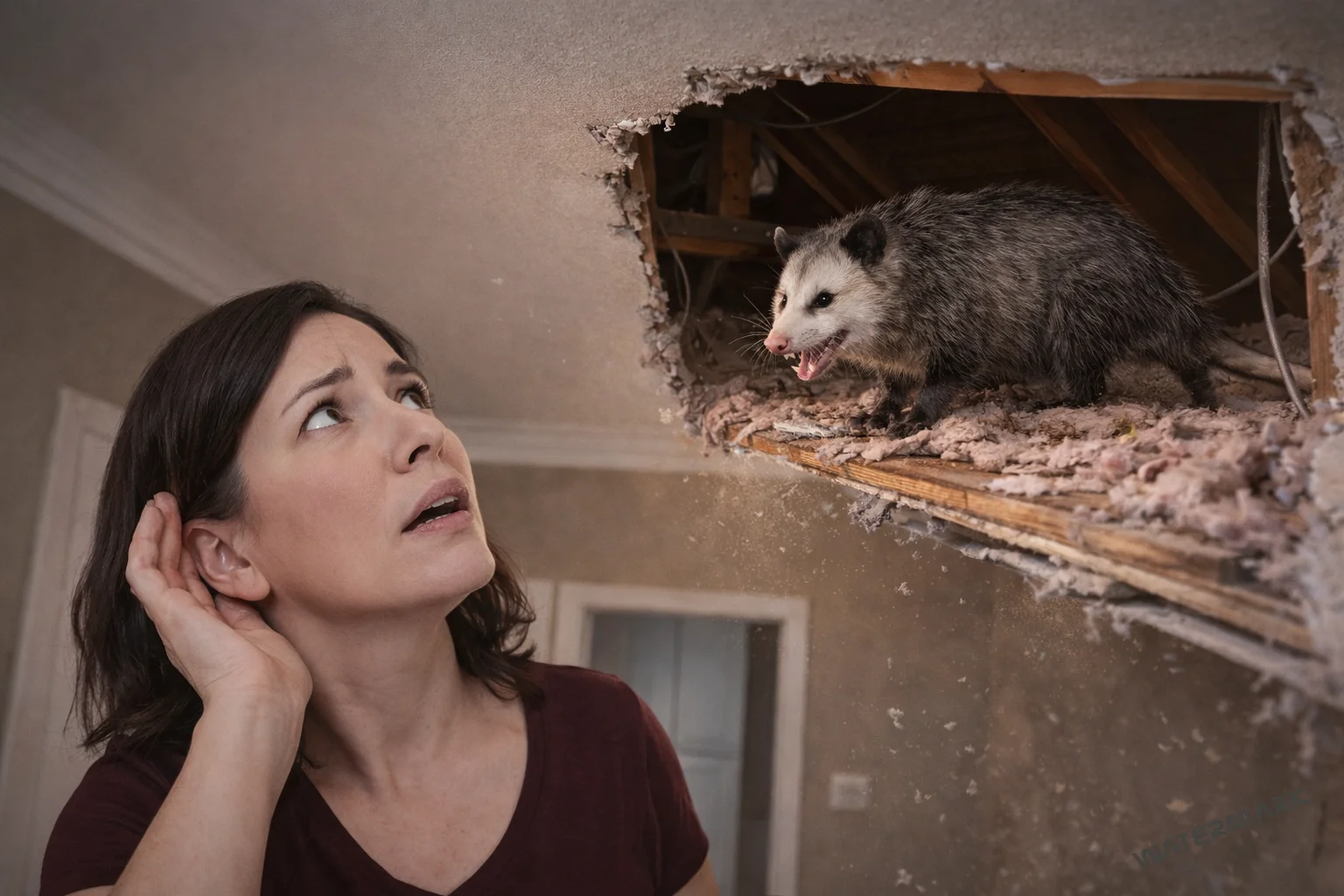
Most opossums calls in North Alabama begin with sounds in the structure: scratching under deck at night, opossum visible near trash, and hissing or play-dead behavior. The pattern, timing, and location of the sound — early morning, late evening, above the bedroom, behind a wall — narrows the species before an inspection even starts.
Visible signs of opossums
Beyond the sounds, the visible signs we look for are trash disturbance, minor crawlspace soiling, pet-food raiding, and fly attraction from feces. These patterns are diagnostic — they tell us where the entry sits and how long the activity has been going on.
Are opossums dangerous to homeowners
Opossums can carry low rabies risk, fly borne, and leptospirosis rare, so droppings, nesting material, and contaminated insulation need to be handled with the right gear. Most direct-contact incidents happen during attempted DIY removal, not during accidental encounter.
When to call about opossums
Call when you confirm two of: repeated sounds at the same time of day, visible droppings, damage to vents or soffits, or a sighting. Most North Alabama opossum jobs schedule within 24–48 hours of the inspection.
What homeowners should not do with opossums
Do not seal an entry point before confirming the animal is out — trapping a opossum inside the structure creates an odor and decontamination problem worse than the original call. The entry points to watch are deck gaps, shed undercuts, and crawlspace vents.
Entity signals
Opossums — biological and structural signals
Sounds homeowners hear
scratching under deck at night
hissing or play-dead behavior
Droppings and scat
feces near porch
fly attraction from feces
Entry points to inspect
Deck gaps
Shed undercuts
Crawlspace vents
Torn foundation screening
Open garages
Where they nest
Under deck denning
Crawlspace intrusion
Minor crawlspace soiling
Visible damage patterns
trash disturbance
minor crawlspace soiling
pet-food raiding
fly attraction from feces
deck-skirting damage
Health risks
Low rabies risk
Fly borne
Leptospirosis rare
Seasonal activity windows
Peak: Mar, Apr, May, Oct, Nov, Dec
Signs you may have opossum activity
If two or more of these match what you're seeing or hearing, call us — we can usually identify the species over the phone before sending a truck.
Scratching under deck at night
Opossum visible near trash
Hissing or play-dead behavior
Flies clustering near crawlspace
Torn pet-food bags
Feces near porch
Damage we typically find
The longer opossums stay, the more the bill grows. These are the patterns we see on inspection:
Trash disturbance
Minor crawlspace soiling
Pet-food raiding
Fly attraction from feces
Deck-skirting damage
When damage involves insulation or contamination, see our attic restoration process — that's how we leave the space safe to live in.
Health & safety risks
Low. Opossums have a body temperature unfriendly to rabies and are rarely rabies-positive in Alabama. Primary concerns are flies and feces.
Concerns we plan around on this species:
low rabies risk
, fly borne
, leptospirosis rare
.
How a opossum job runs
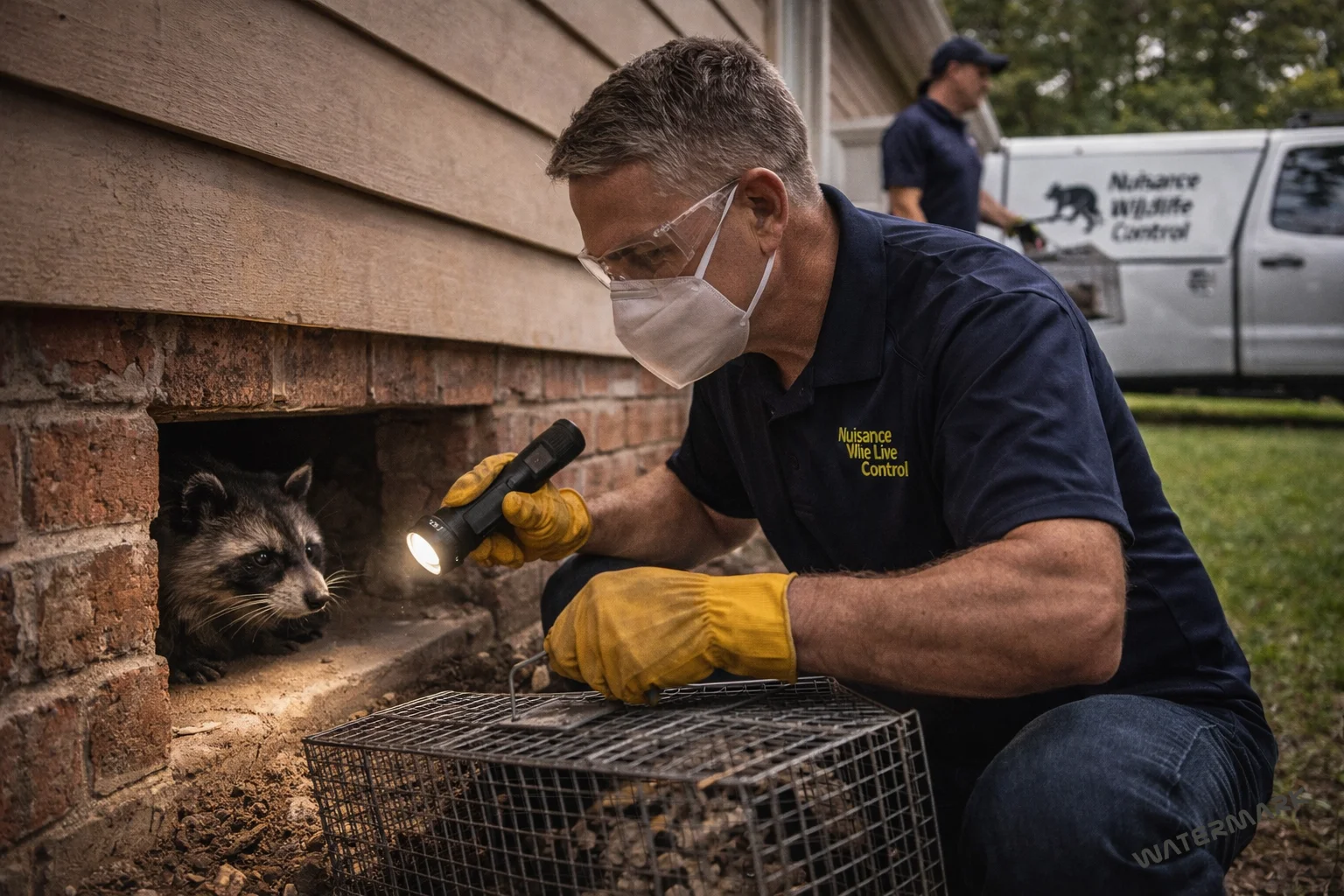
Inspection. Roofline, soffits, vents, foundation, crawlspace. Every entry point gets documented before anything else happens.
Removal.
Species-appropriate method — never one-size-fits-all. Live traps, buried hardware cloth exclusion under decks and outbuildings, sealed trash and pet-food containers.
Sealing. Hardware cloth, metal flashing, or matched replacement materials. No foam-only "fixes" that fail in six months.
Cleanup. Droppings, nesting material, contaminated insulation — handled with the right gear and disposal.
Follow-up. We return to confirm the exclusion held and address anything missed.
Where we run possum trapping jobs
The North Alabama towns below see this work most often. Pick the nearest for local context — entry points and timing vary by town.
Squirrels, rats, mice, and raccoons all begin shelter-seeking for winter in September. This is the highest-leverage inspection month of the year — sealing entry points before October prevents the rest of the season's ca…
Watch for scratching in walls at dawn, scampering above the ceiling, and chewed soffit corners.
Open species guide →
FAQs
Common opossum questions
We handle squirrels, raccoons, bats, skunks, snakes, birds, moles, armadillos, and other nuisance wildlife common to Alabama homes.
Yes. All removal methods are humane and designed to safely evict animals without unnecessary harm whenever possible.
Yes. We locate and seal entry points to prevent animals from returning after removal.
Absolutely. Attics and crawlspaces are common nesting areas, and we specialize in safely removing wildlife from these spaces.
Yes. Our exclusion work focuses on preventing future infestations, not just removing the current animals.
Yes, but methods may vary to protect young animals while still resolving the issue safely and legally.