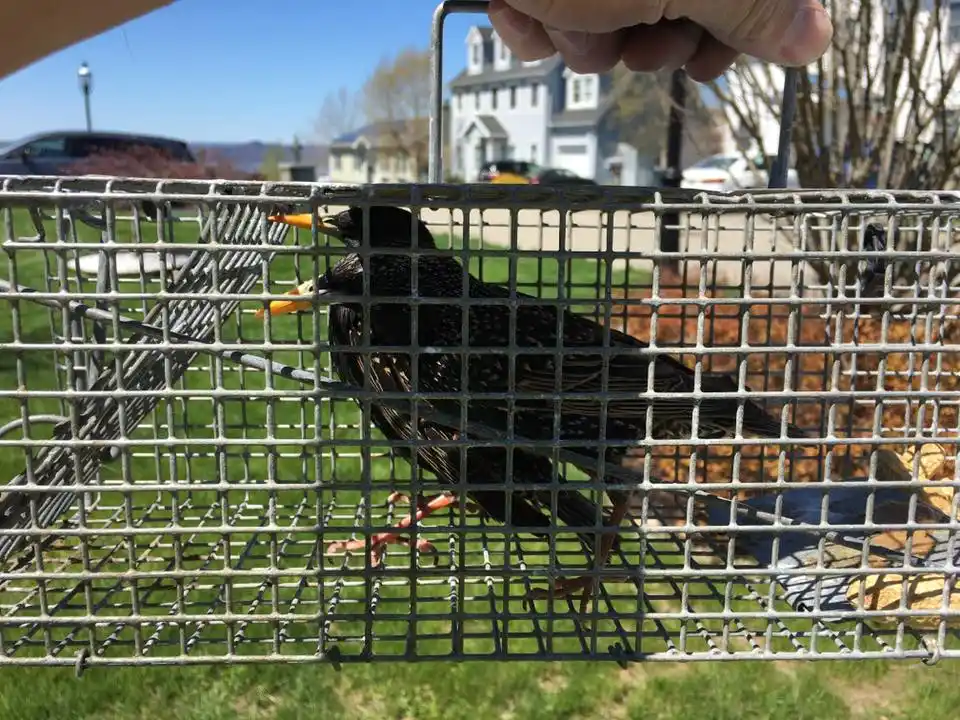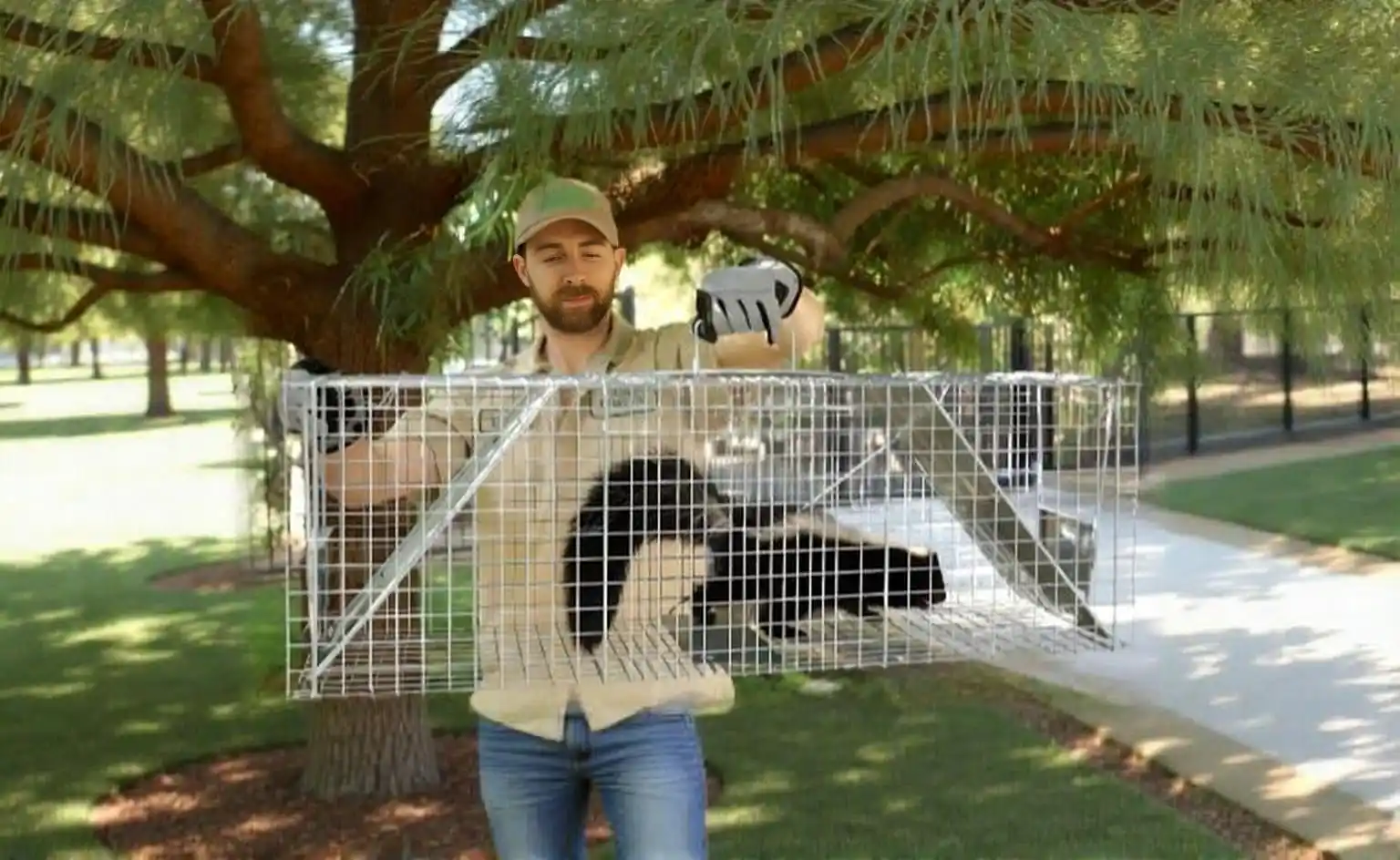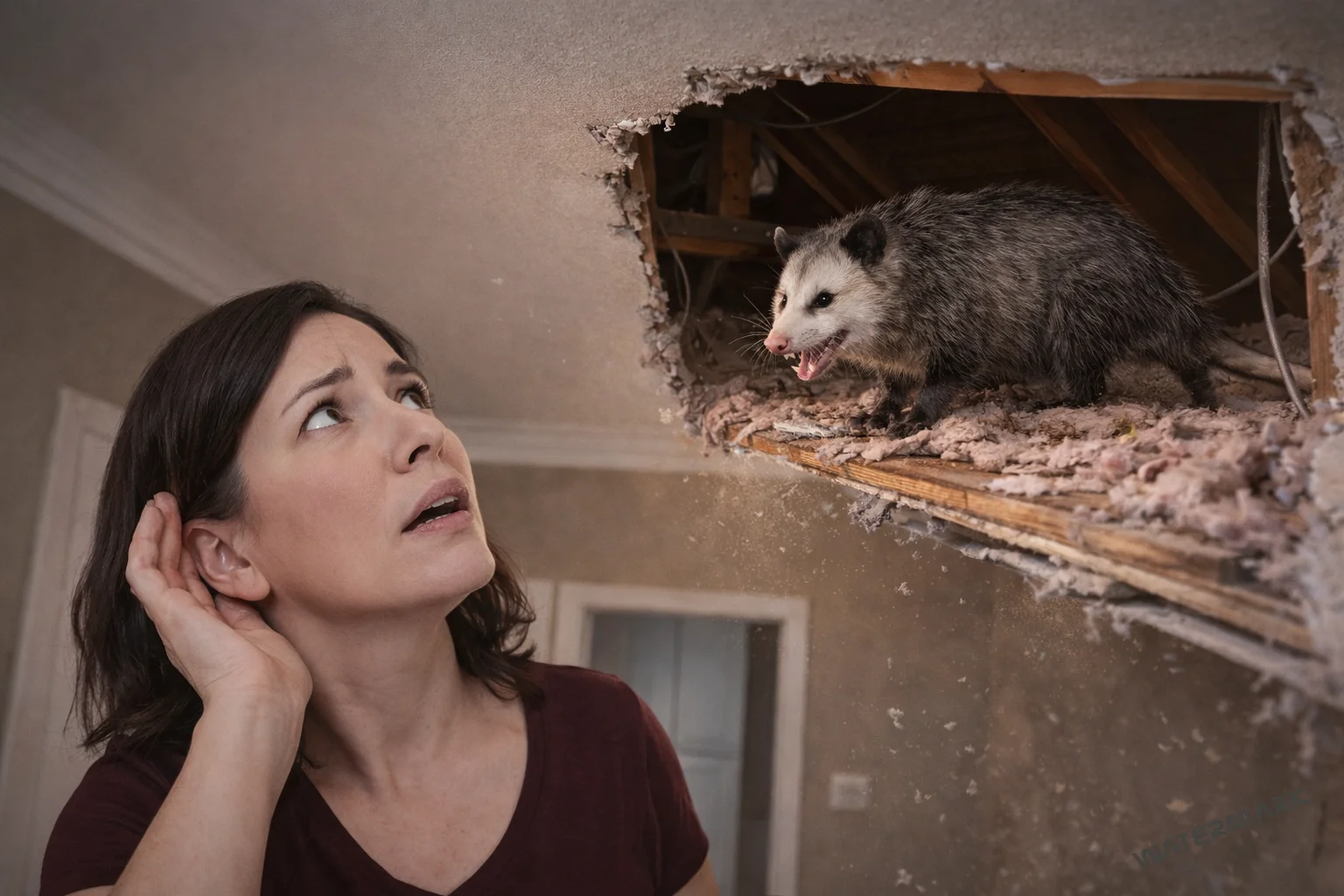
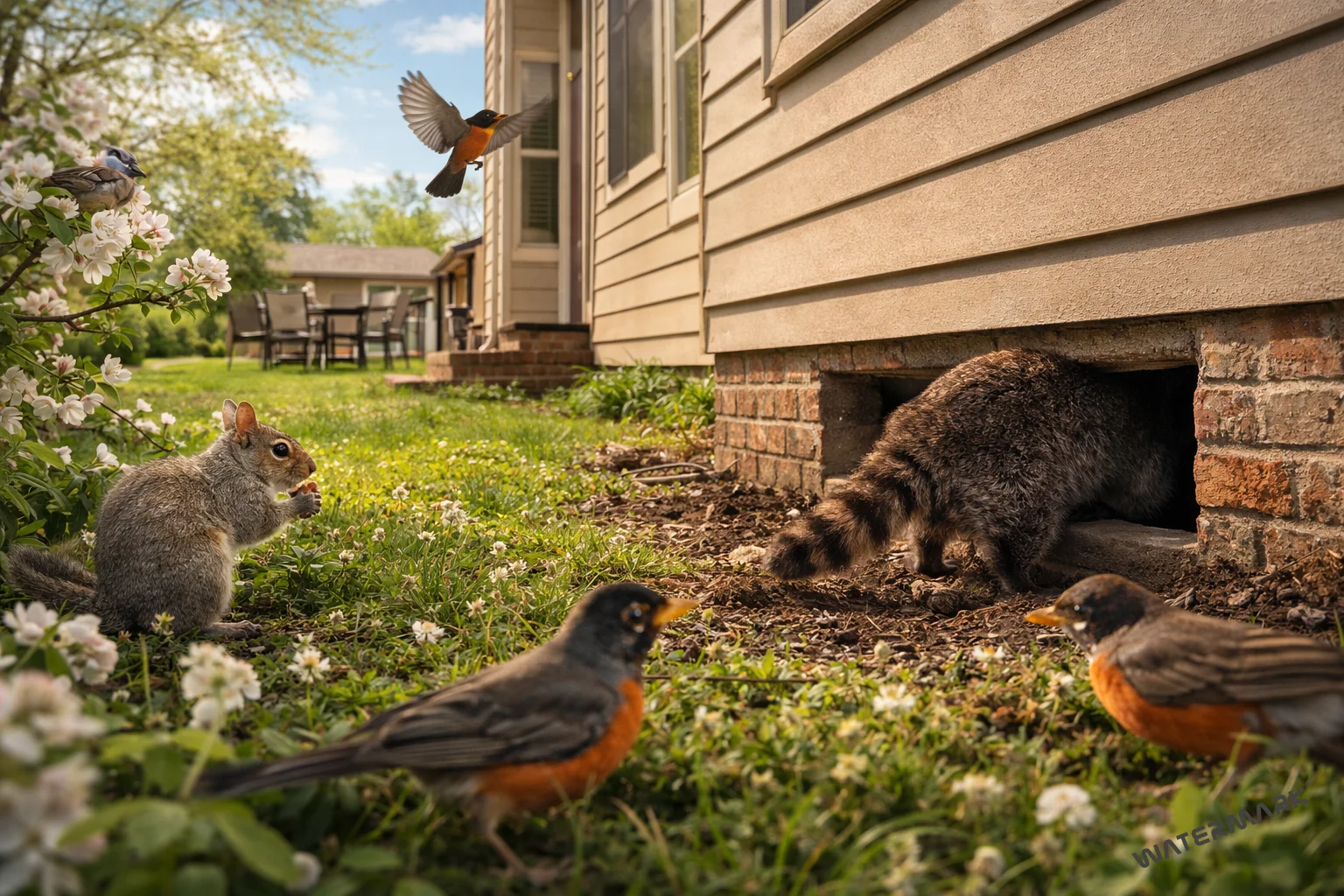
Wildlife activity around residential areas follows predictable seasonal patterns driven by breeding cycles, food availability, and climate changes. Understanding these patterns helps homeowners anticipate potential wildlife conflicts and take preventive action before problems develop. By aligning your prevention efforts with seasonal wildlife behavior, you can more effectively protect your home and property while respecting the natural cycles that drive animal movement and activity.
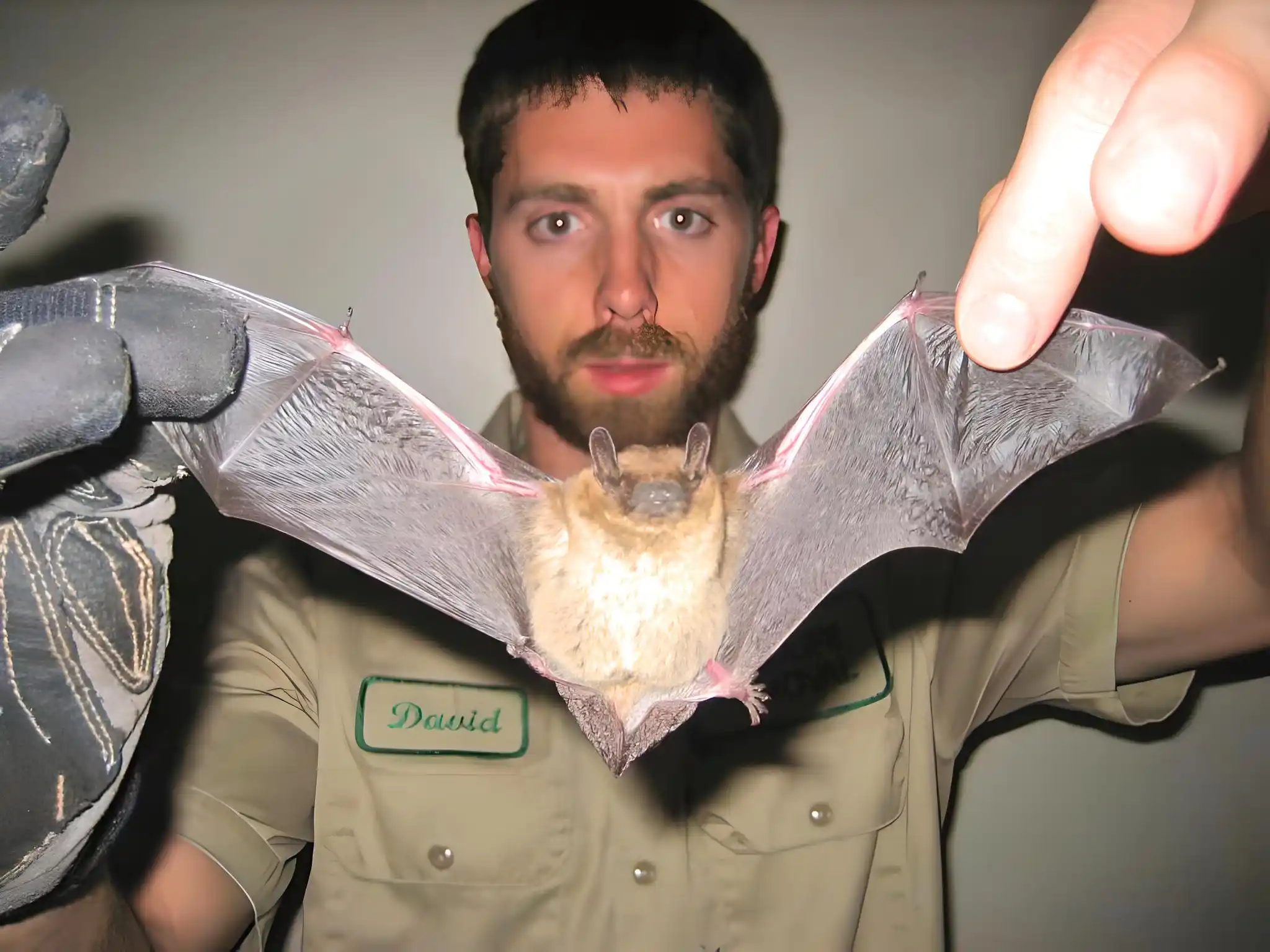
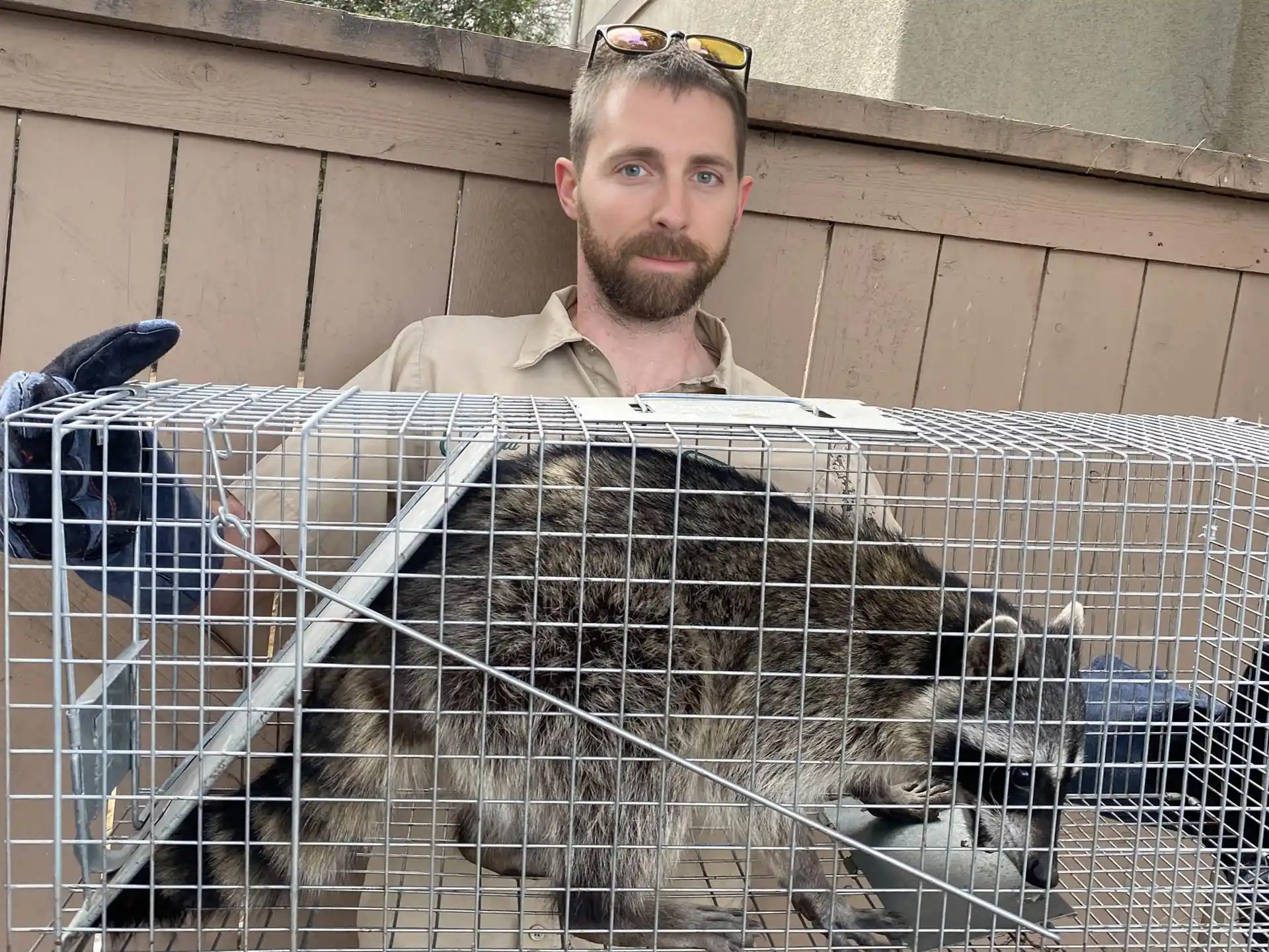
Spring brings a significant surge in wildlife activity as animals emerge from winter dormancy and begin breeding. This is the primary denning season for many species, meaning animals are actively seeking safe, warm places to give birth and raise their young. Raccoons, squirrels, and bats commonly target attics during spring because they provide ideal nursery sites. You may also notice increased bird activity as they build nests in vents, chimneys, and building overhangs. Spring is the critical time to inspect your home's exterior for entry points and seal them before animals move in. However, if you discover wildlife already present in spring, proceed cautiously – you may be dealing with mothers and babies, which require special handling to avoid separating families or violating laws protecting young animals.
Summer is characterized by high wildlife activity as young animals mature and venture out on their own. You'll likely see more wildlife around your property during this time, including juvenile animals that may be bolder or clumsier than adults. Summer also brings conflicts related to food sources – animals raid gardens, fruit trees, and garbage more actively when natural food is abundant but easily accessible human food sources are even more attractive. Snakes are most active during warm summer months, often seen basking on patios or driveways. This is also peak season for stinging insects like wasps and hornets establishing nests. Summer is an excellent time for property maintenance like removing brush piles, trimming vegetation away from structures, and securing potential food sources.
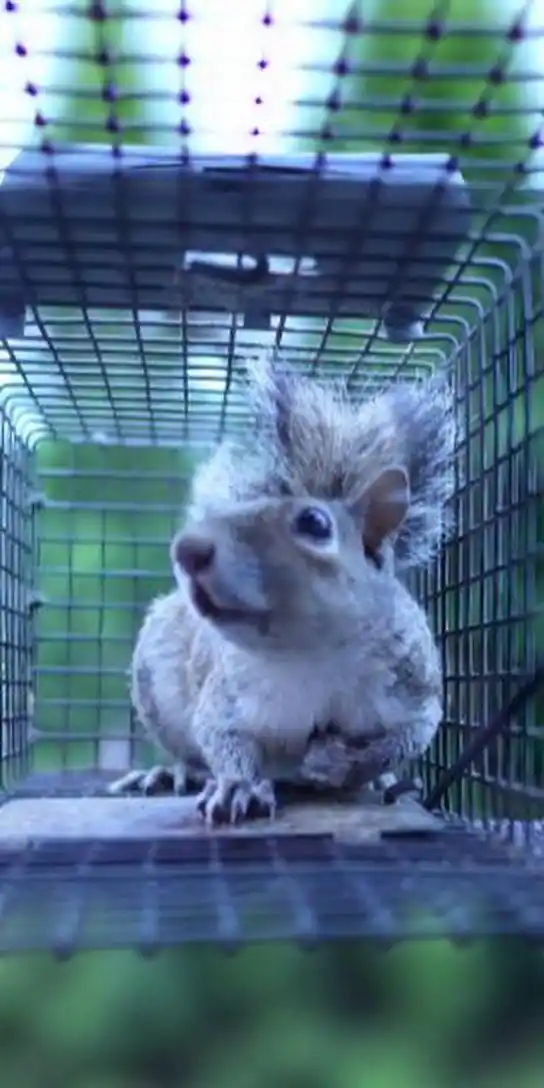
Fall triggers what's called the "fall invasion" as animals prepare for winter by seeking shelter and building up food stores. You'll notice increased rodent activity as mice and rats try to move indoors before cold weather arrives. Squirrels become particularly active, gathering and storing food while also looking for warm denning sites. This is also when bats begin congregating before hibernation or migration. Fall is crucial for prevention – seal entry points before animals move in for winter, and conduct thorough exterior inspections while weather is still mild enough for repair work. Pay special attention to any gaps in your home's envelope and consider professional wildlife inspections if you've had problems in previous years.
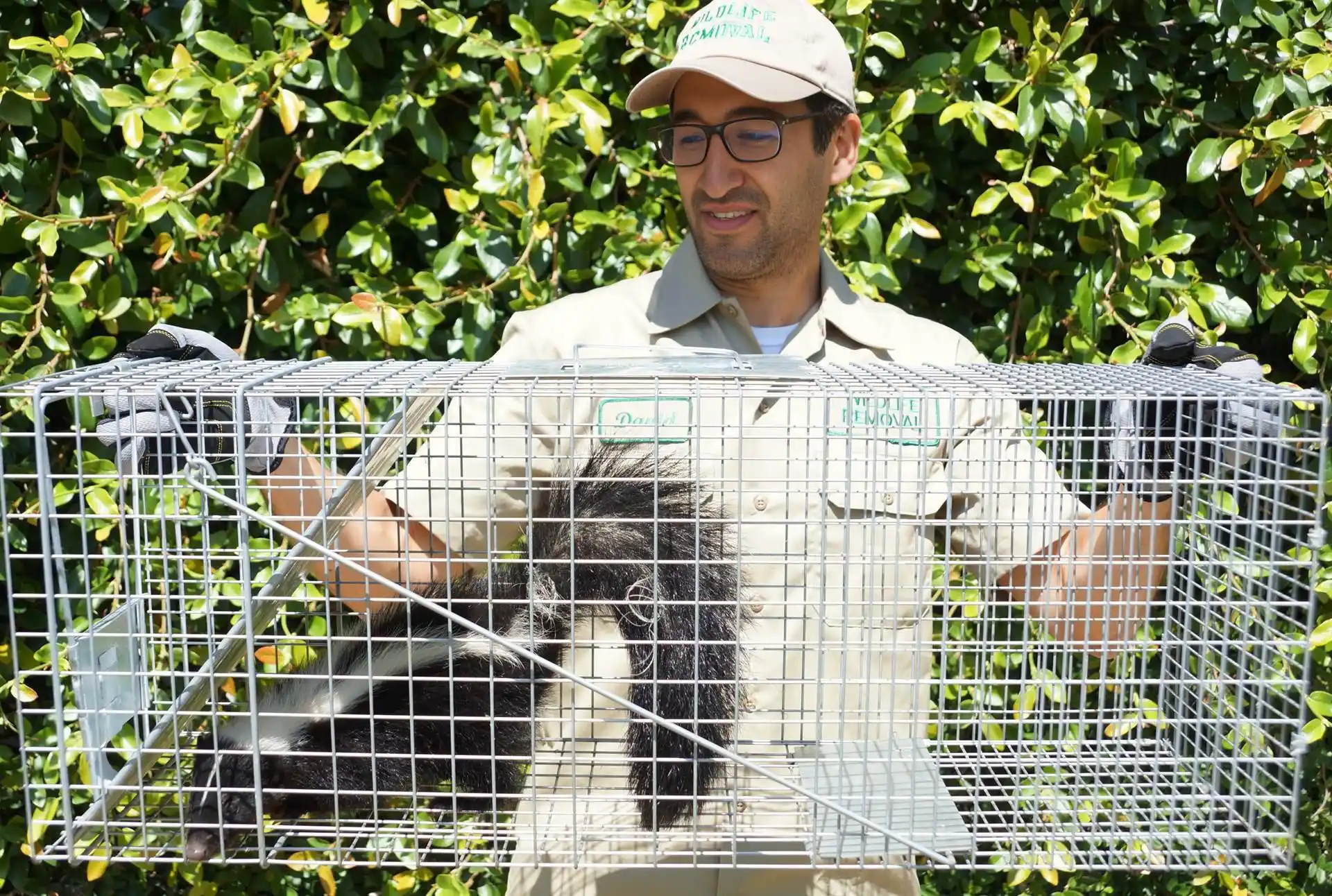
Winter wildlife activity varies by species and climate. In colder regions, many animals hibernate or become less active, but those that are active face survival pressures that drive them toward human structures for warmth and food. Raccoons may den in attics or chimneys, rodents seek refuge inside walls and heated spaces, and animals that don't hibernate still need food, making them more likely to raid garbage and bird feeders. Winter is also when you may discover animals that moved in during fall but went unnoticed until heating systems created temperature differentials that reveal their presence through sounds or odors. While winter makes some wildlife control work more challenging due to weather, it's still important to address problems promptly to prevent damage from accumulating. Understanding these seasonal patterns allows you to be proactive rather than reactive, timing your prevention efforts when they'll be most effective and maintaining vigilance during high-risk periods for wildlife conflicts.