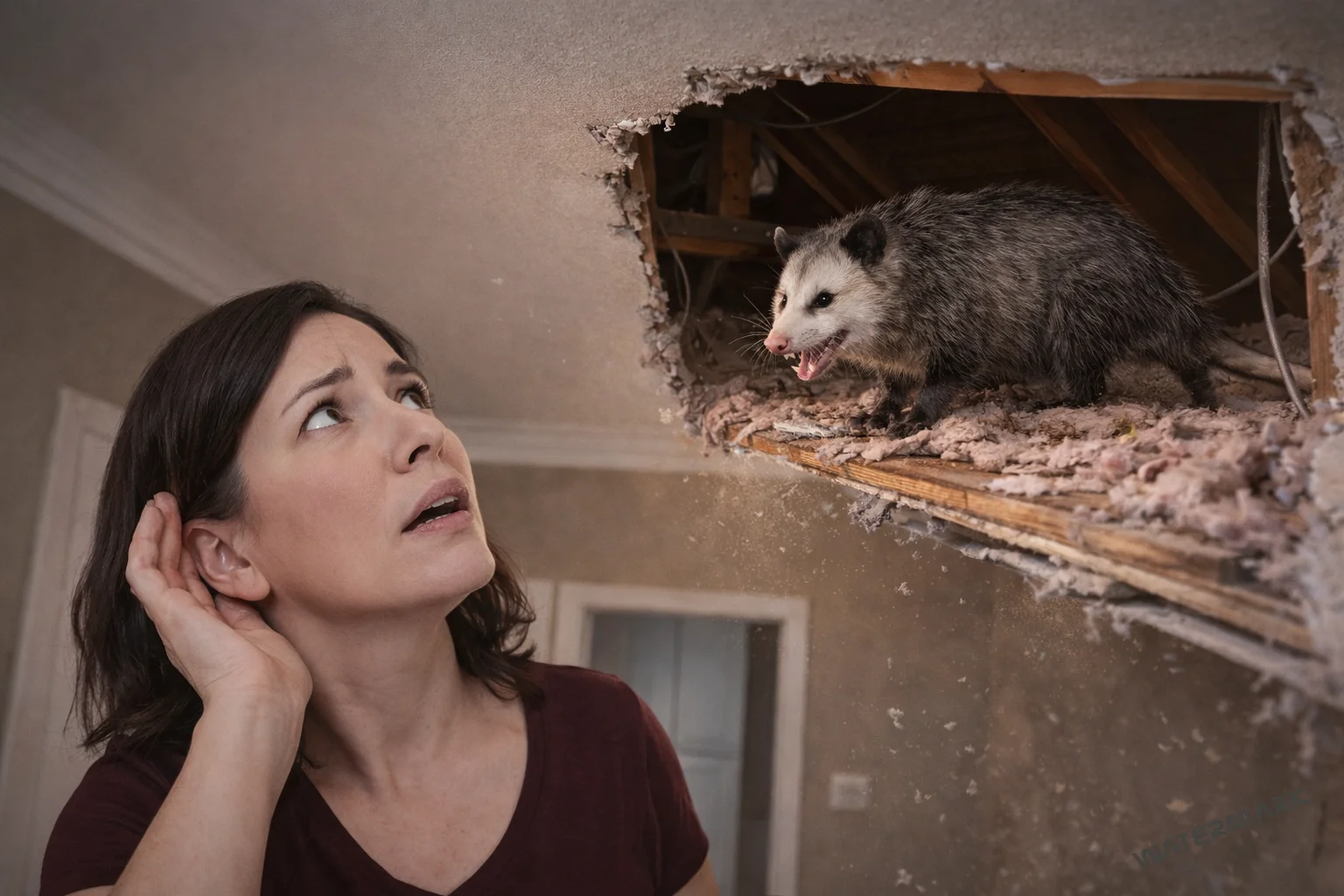
Opossums are North America's only marsupial, and while they may look somewhat unsettling with their rat-like appearance and mouthful of teeth, they're generally beneficial animals that rarely pose a threat to humans or pets. However, finding one taking up residence under your porch, in your shed, or around your property can be concerning. Understanding opossum behavior and knowing the appropriate response can help you handle the situation effectively and humanely.
First, it's important to recognize that opossums are typically transient animals that rarely stay in one place for more than a few days unless they find a particularly attractive food source or denning site. They're nomadic by nature, traveling up to two miles in a single night searching for food. If you simply see an opossum passing through your yard at night, the best course of action is usually to leave it alone – it will likely move on by itself. Opossums are omnivores that eat insects, rodents, snakes, slugs, and carrion, making them quite beneficial for natural pest control.
If an opossum has taken up residence in a shed, under a deck, or in another structure on your property, you'll want to encourage it to relocate. Remove any food sources that might be attracting it, such as pet food left outside, unsecured garbage cans, fallen fruit, or accessible compost piles. Make the denning area less attractive by introducing mild disturbances like placing ammonia-soaked rags near the entrance (opossums dislike strong smells), installing bright lights, or playing a radio at low volume. These methods create an environment the opossum will find undesirable without causing harm.
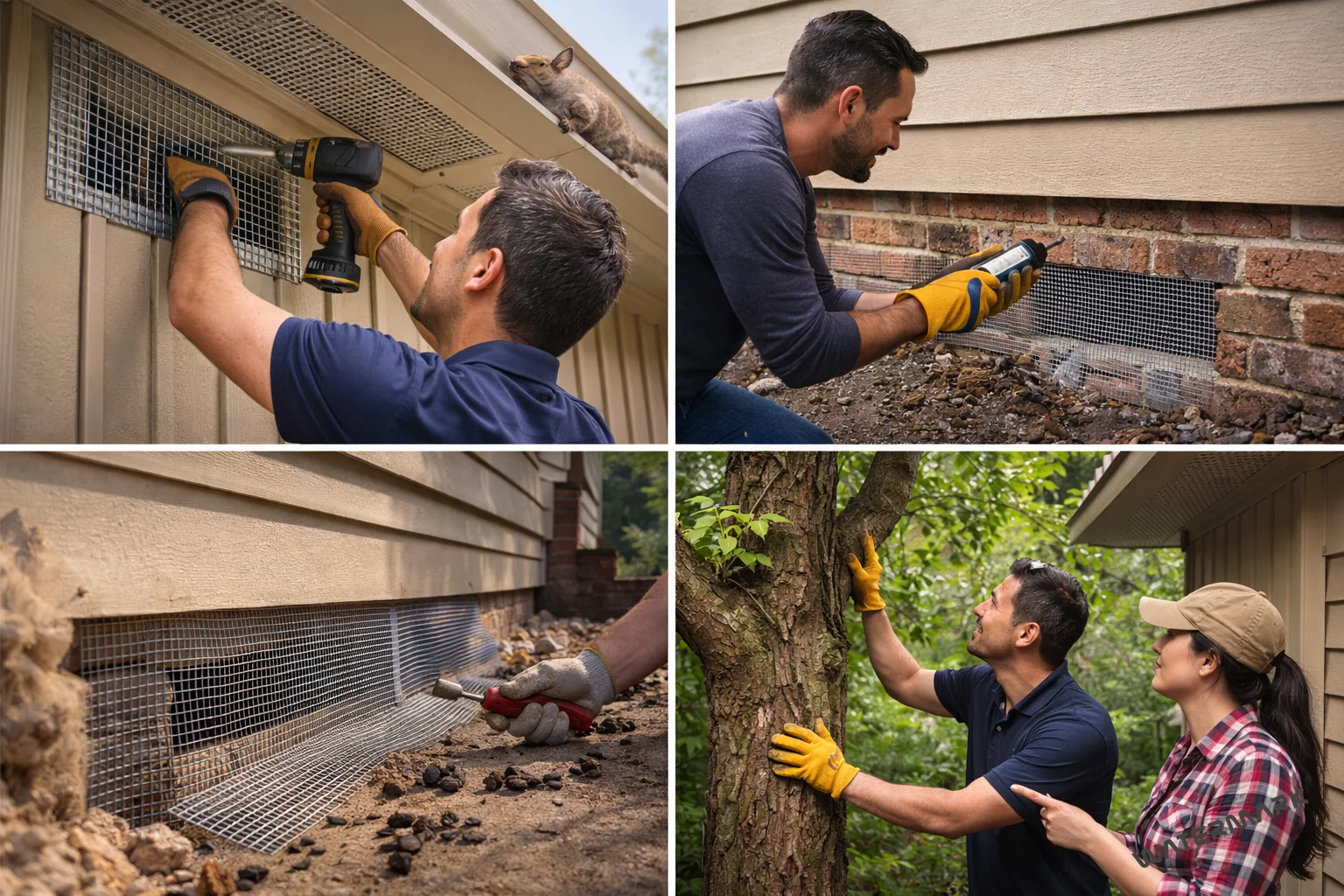
If you suspect a mother opossum with babies is present, exercise extra patience and caution. Mother opossums are protective of their young and may behave defensively if threatened, though they're more likely to play dead than attack. Baby opossums are typically with their mother for about 100 days before becoming independent. If possible, wait until you're certain the young have matured enough to leave with their mother before permanently sealing entry points. Trapping and relocating opossums without proper permits is illegal in many jurisdictions and often ineffective, as new animals simply move into the vacant territory.
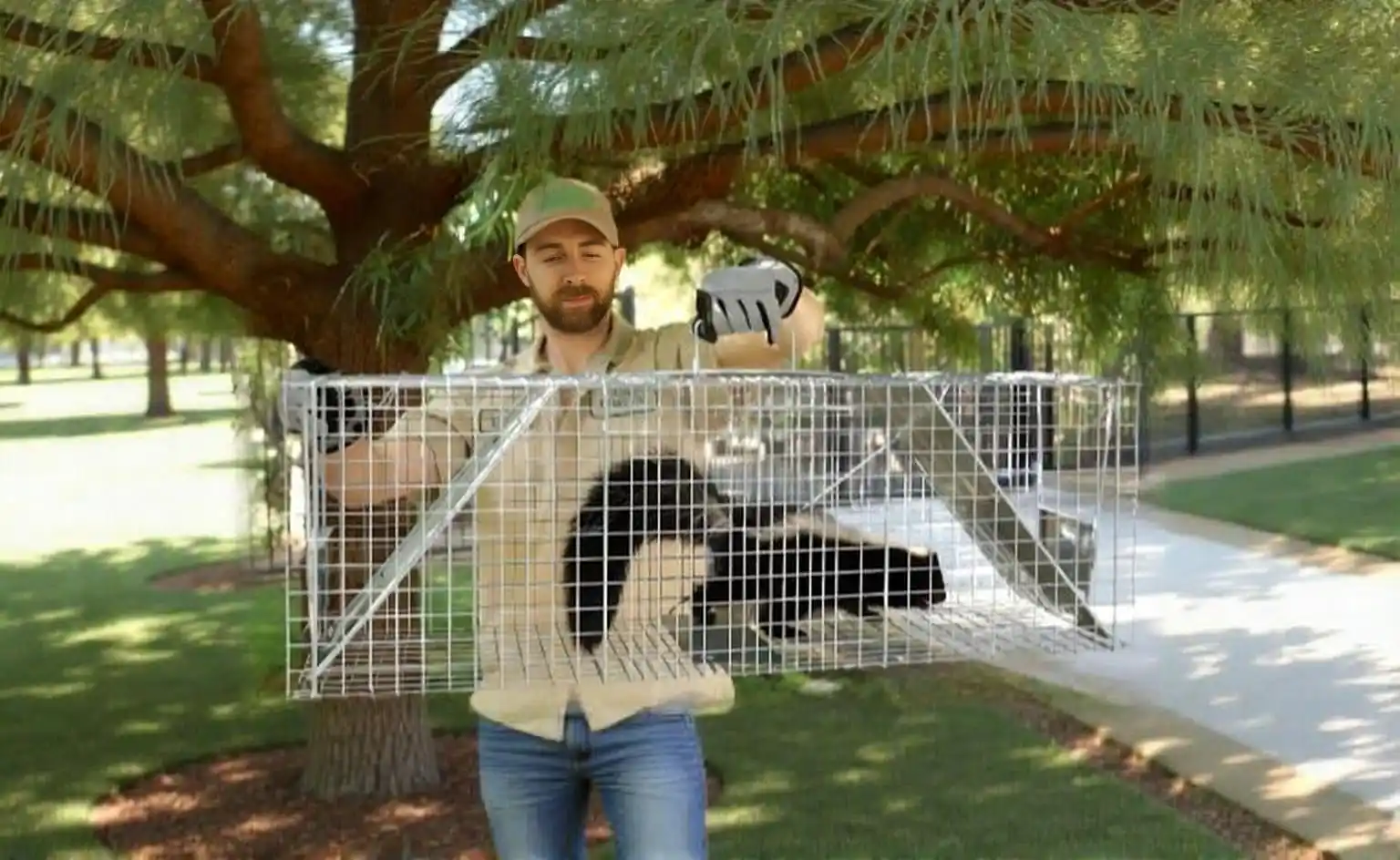
In most cases, opossums resolve themselves without intervention, but if the animal appears sick, injured, or aggressive, or if it's creating ongoing problems despite your deterrent efforts, contact a professional wildlife control service. Professionals can safely trap and relocate the animal in compliance with local regulations, and they can also identify and seal entry points to prevent future occupancy. Remember that opossums are generally docile, beneficial animals that eat ticks, venomous snakes, and rodents – they're often more helpful than harmful to have in the general area, as long as they're not making your home their home.