About squirrel removal in Huntsville
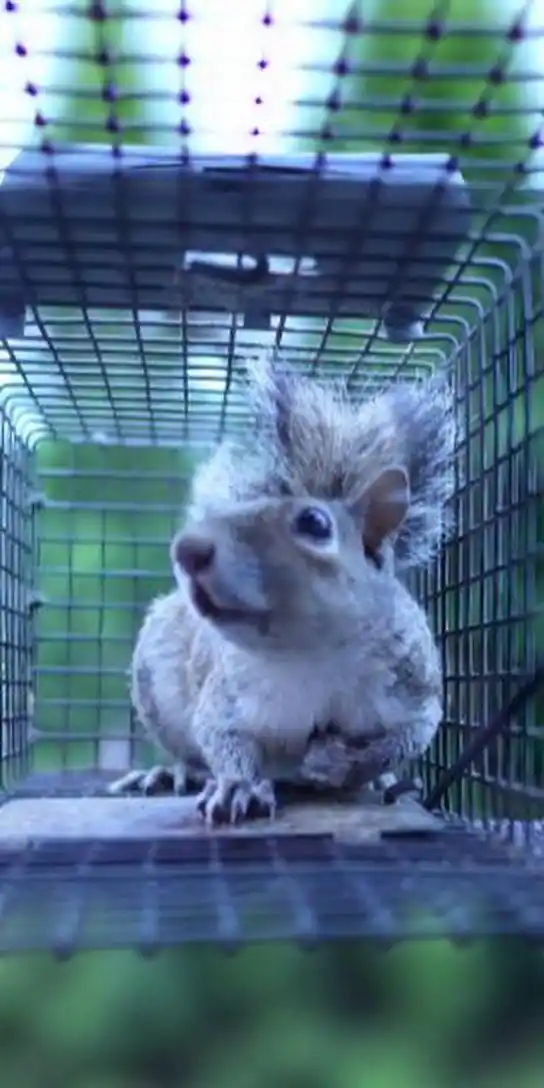
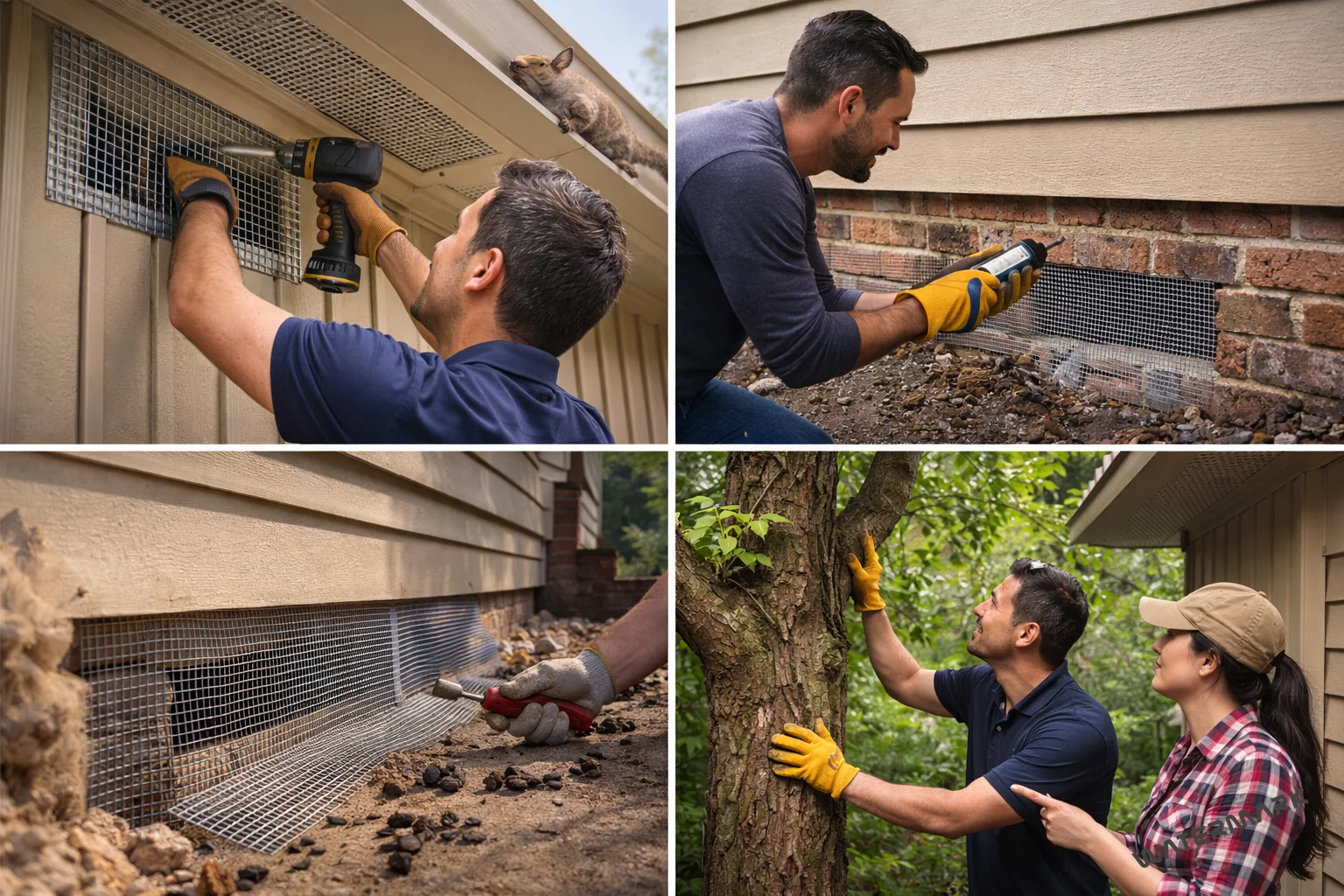
Eastern gray squirrels enter Huntsville attics through openings as small as an inch and a half. They chew wood, wiring, and PVC pipe boots, creating a real fire risk if left long enough. Our process in Huntsville: live-trap and remove every animal first (timing matters — kits arrive in February and again in August), then seal entries with 1/4-inch hardware cloth and matched replacement materials. The most common Huntsville entry pattern is gable-vent intrusion on older homes and ridge-cap defeat on newer ones.
Local context for Huntsville
Five Points and Blossomwood squirrel work concentrates on aged soffit-fascia transitions and original gable louvers. In Hampton Cove and west-side Huntsville, the failure mode is ridge-cap shingle lift after a few seasons of squirrel pressure. Tree limbs within 8–10 feet of the roofline are nearly always the access route — trim recommendations are part of every job.
Where we work: Madison County · ZIPs 35801, 35802, 35803, 35805, 35806, 35810, 35811, 35816, 35824 · along I-565, US-72, US-431, Memorial Parkway
What's included
- Attic and wall void removal
- Full entry-point survey
- Heavy-gauge mesh and metal exclusion
- Tree-limb and access-point recommendations
Working a job in Huntsville is one piece of a bigger picture — squirrels behave the same way across North Alabama, even when entry points differ town to town. For the biology, damage patterns, exclusion approach, and where else we work this species, see our full squirrel damage repair in North Alabama guide.
What you should know about squirrel removal
Biology & Behavior
Eastern gray squirrels enter through openings as small as 1.5 inches. They chew structural wood, electrical wiring, and PVC roof boots, creating fire and water-intrusion risks.
When this happens in Huntsville
Two birth peaks: late winter (Feb–Mar) and late summer (Aug–Sep). Most attic calls cluster around these windows.
Alabama & Federal Regulations
Gray and fox squirrels are game species in Alabama; nuisance handling is permitted year-round at the property level for damage control.
Disease & Safety Risks
Low direct disease risk; primary concern is structural damage and fire risk from chewed wiring.
Materials We Actually Use
Hardware cloth (1/4" or 1/2"), galvanized metal flashing, stainless screws, replacement wood, fascia and soffit repairs. Never plastic, foam-only, or untreated wood.
Recent customer feedback
★★★★★
"This company showed up when they said they would. Which was more than I can say, of a different place. They got to work quickly, with a respectful crew, and they cleaned up after their job. I am Impressed with them and I would recommend th…"
Suzanne "Suzie" Carnley
★★★★★
"Jim went above and beyond for my raccoon problem! He was prompt, easy to talk to, and didn’t charge an arm and a leg. He fixed the places where the raccoons were getting into my garage on top of correcting the animal problem. I can’t say E…"
Emily Sundt