If you're hearing sounds in your attic at 2 a.m. and trying to figure out what's up there, raccoons are one of the loudest possible answers — and one of the most damaging if left alone. This guide covers what raccoons sound like, when they're active, and how to tell them apart from squirrels, rats, and bats.
The short answer
Raccoons in an attic typically produce heavy, deliberate footsteps, low growls and chittering, thumping or dragging sounds, and — if there are kits — high-pitched chirps and mewing. They are far heavier and louder than squirrels or rats, and they are almost exclusively active at night.
Sound 1: heavy footsteps
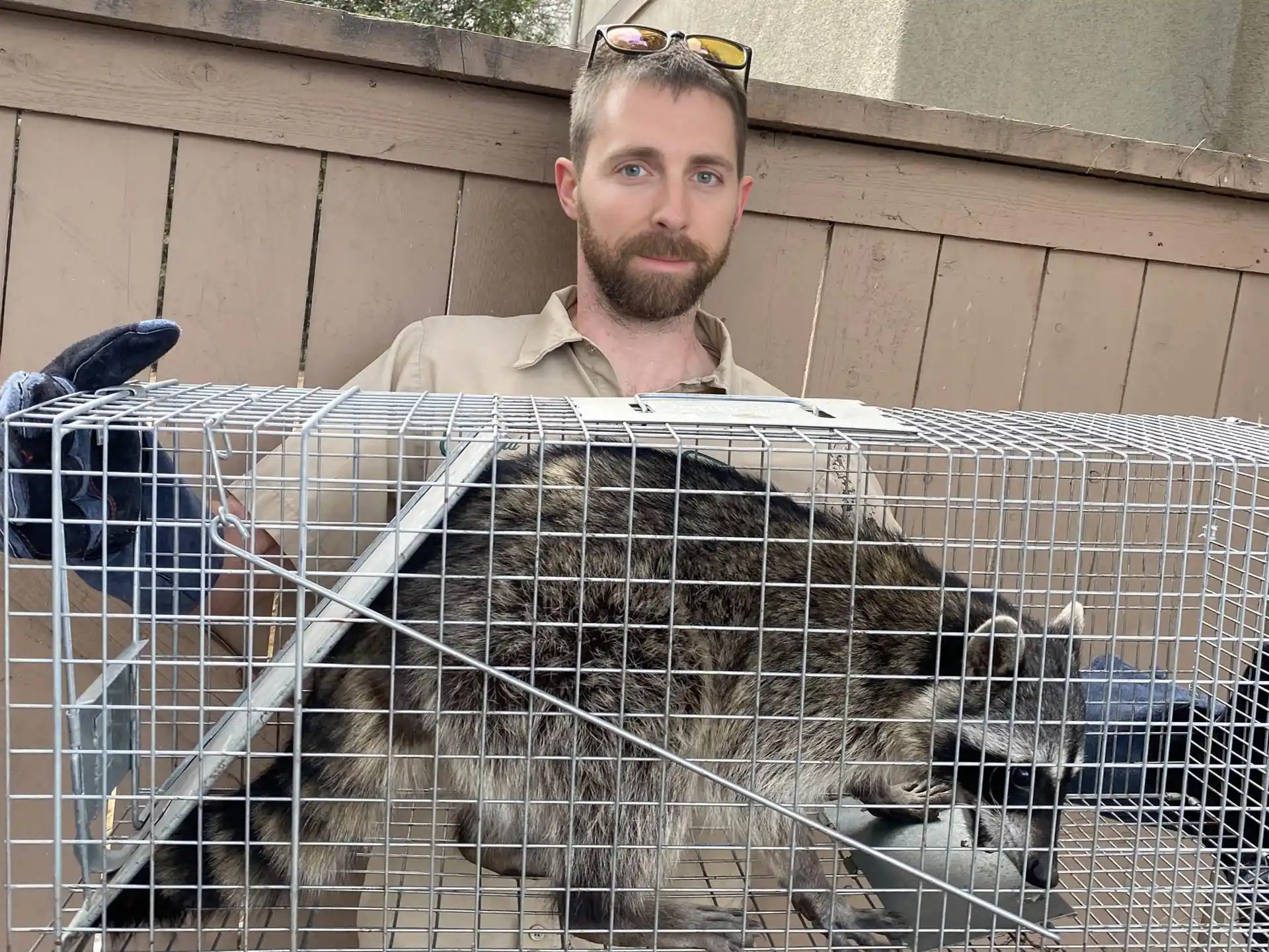
A raccoon weighs 12–25 pounds. When one walks across attic joists or rafters, it sounds like a person crawling — not the light skittering of a squirrel or the quick darting of a rat. If you can clearly distinguish individual steps, and they sound heavy enough to make you look up, you are almost certainly dealing with a raccoon.
Sound 2: chattering, growling, and chittering
Raccoons vocalize a lot, especially mothers communicating with kits. The sounds range from soft purring and chittering to deeper growls and even hissing. You won't hear vocalizations from squirrels or rats with any frequency — when you hear actual animal "talking" in the attic, raccoon is the leading suspect.
Sound 3: thumping and dragging
Raccoons move nesting material around, drag food up into the attic, and turn over insulation. The result is intermittent thumping and dragging noises that don't match anything a smaller animal would produce.
Sound 4: kits crying (February–May)
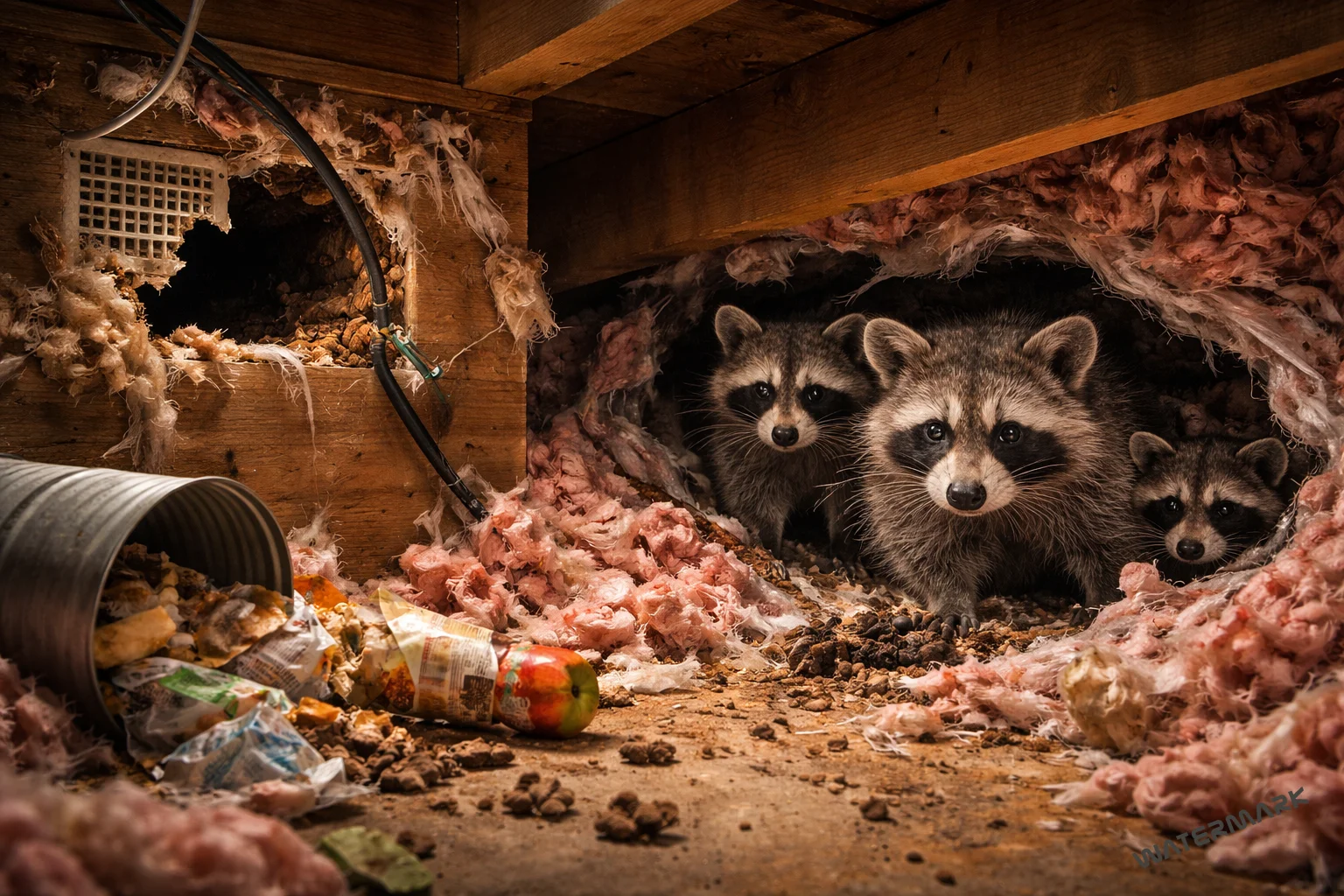
If you're hearing high-pitched chirps and mewing in late winter or spring, you are almost certainly hearing raccoon kits. This is the most time-sensitive scenario: the mother is denning in your attic, and any removal work must account for the kits or you will end up with dead animals in the wall.
When raccoons are active
Raccoons are nocturnal. Activity peaks shortly after sunset and again in the pre-dawn hours. If you hear noises consistently between roughly 10 p.m. and 5 a.m., that's a raccoon-pattern timing.
Raccoons vs. squirrels
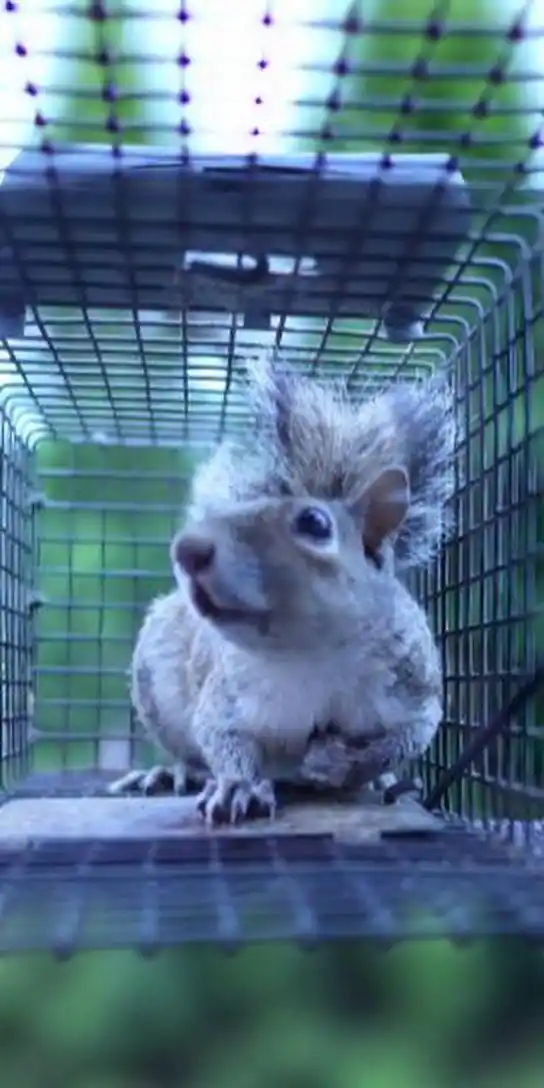
Squirrels are daytime animals. They are most active at dawn and dusk, with peak attic noise from about 6–9 a.m. and again from 3–6 p.m. Their footsteps are light and quick, and they make scratching and gnawing sounds far more than vocalizations. If you're hearing noise during daylight, it's almost never a raccoon.
Raccoons vs. rats and mice
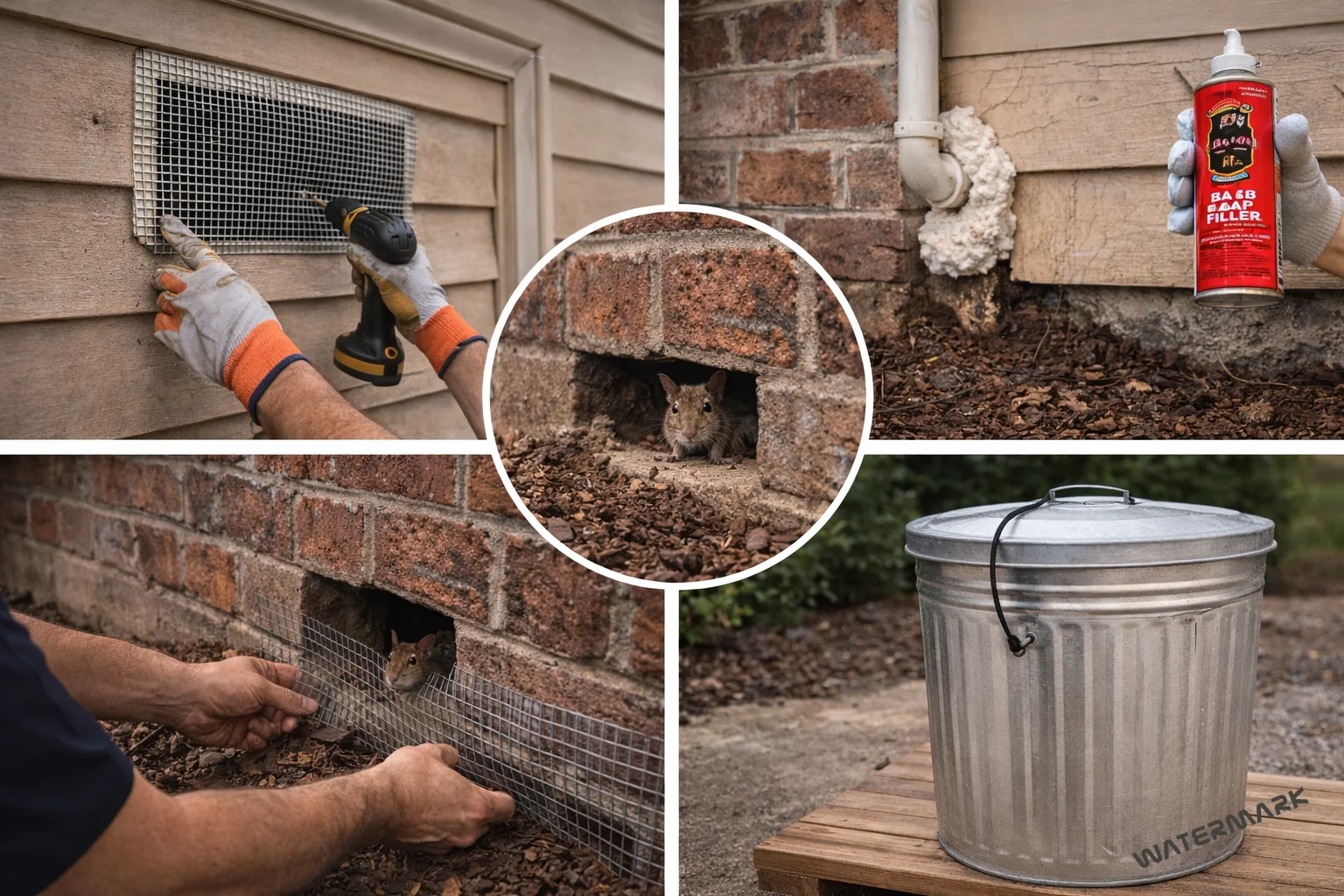
Rodents make scurrying, scratching, and gnawing sounds. Their footsteps are barely audible. If you can clearly hear individual heavy steps, it is not a mouse. Rats are larger but still much quieter than a raccoon.
Raccoons vs. bats
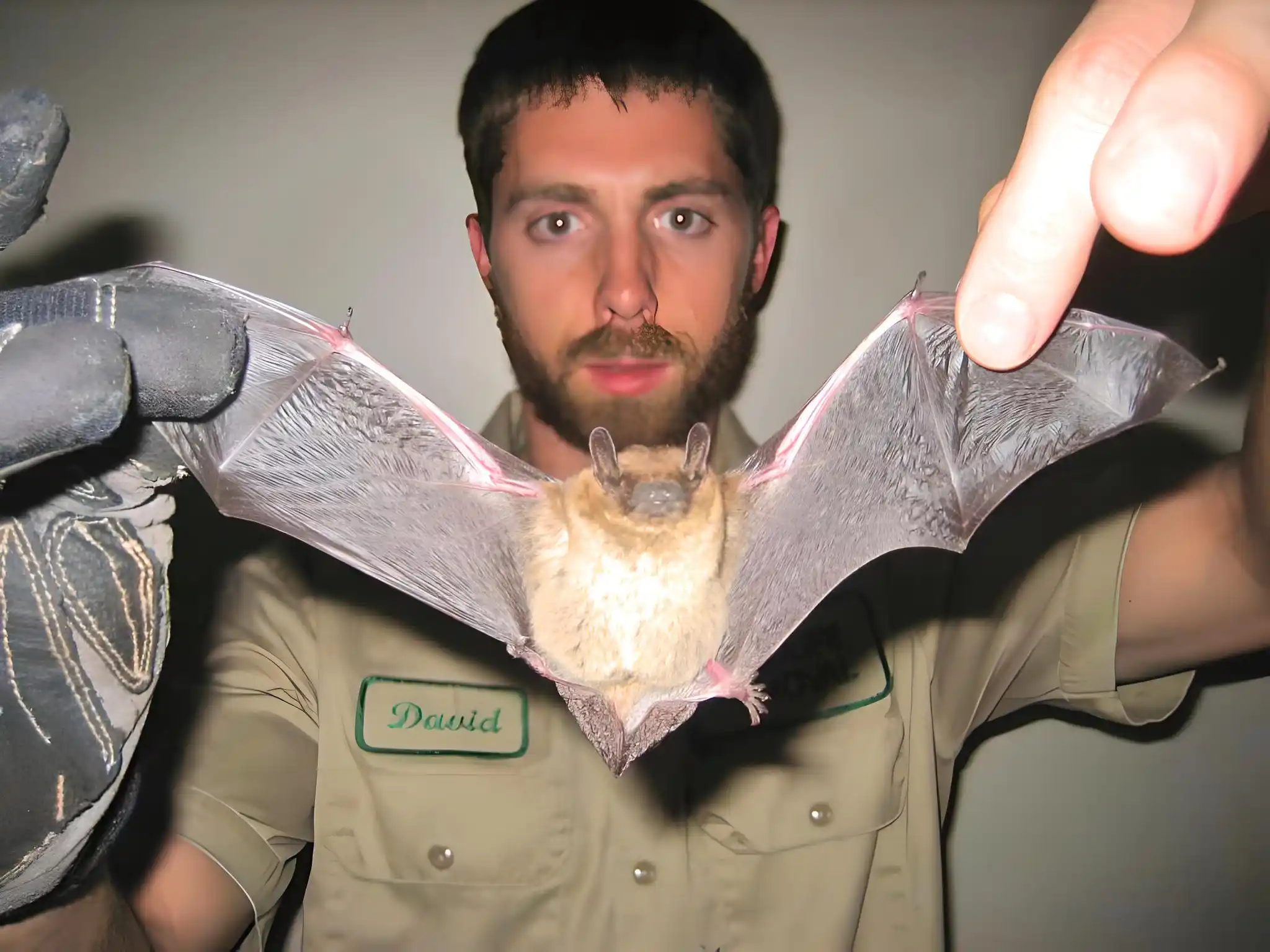
Bats produce a distinctive scratching and high-pitched squeaking, usually right at dusk as they leave the roost. They do not make footstep sounds. If you hear something walking, it is not a bat.
What to do next
If you suspect raccoons, do not try to drive them out yourself. Mother raccoons separated from kits will tear through ceilings and drywall to find them. Schedule a professional raccoon removal inspection and let an Alabama-licensed operator identify the den site, verify whether kits are present, and handle the removal correctly.
For homes in Huntsville, Madison, Decatur, Owens Cross Roads, and surrounding North Alabama — call us. Most jobs scheduled within 24–48 hours.