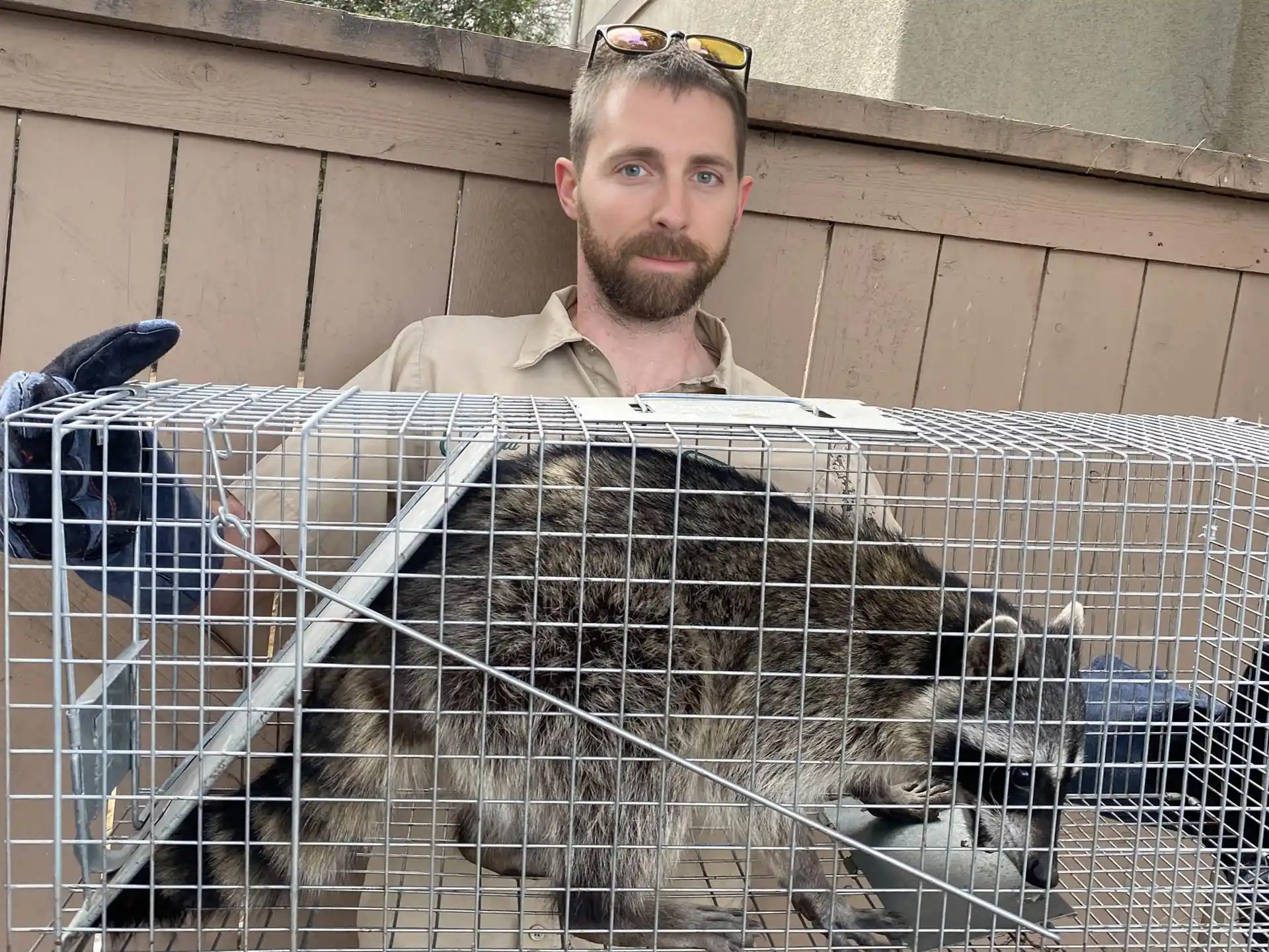
Raccoons are one of the most common nuisance wildlife animals that invade homes, particularly attics. These intelligent and dexterous creatures are excellent climbers and can cause significant damage to your property if left unchecked. Recognizing the signs of a raccoon infestation early can save you thousands of dollars in repairs and prevent potential health hazards for your family.
One of the most obvious signs of raccoon activity is hearing loud thumping, walking, or vocal sounds coming from your attic, especially during nighttime hours. Raccoons are primarily nocturnal, so if you hear heavy footsteps above your ceiling between dusk and dawn, you likely have raccoons. They're not quiet animals – their movements are distinctly heavier than squirrels or rats, and they often make chattering, growling, or purring sounds, especially if there are babies present.
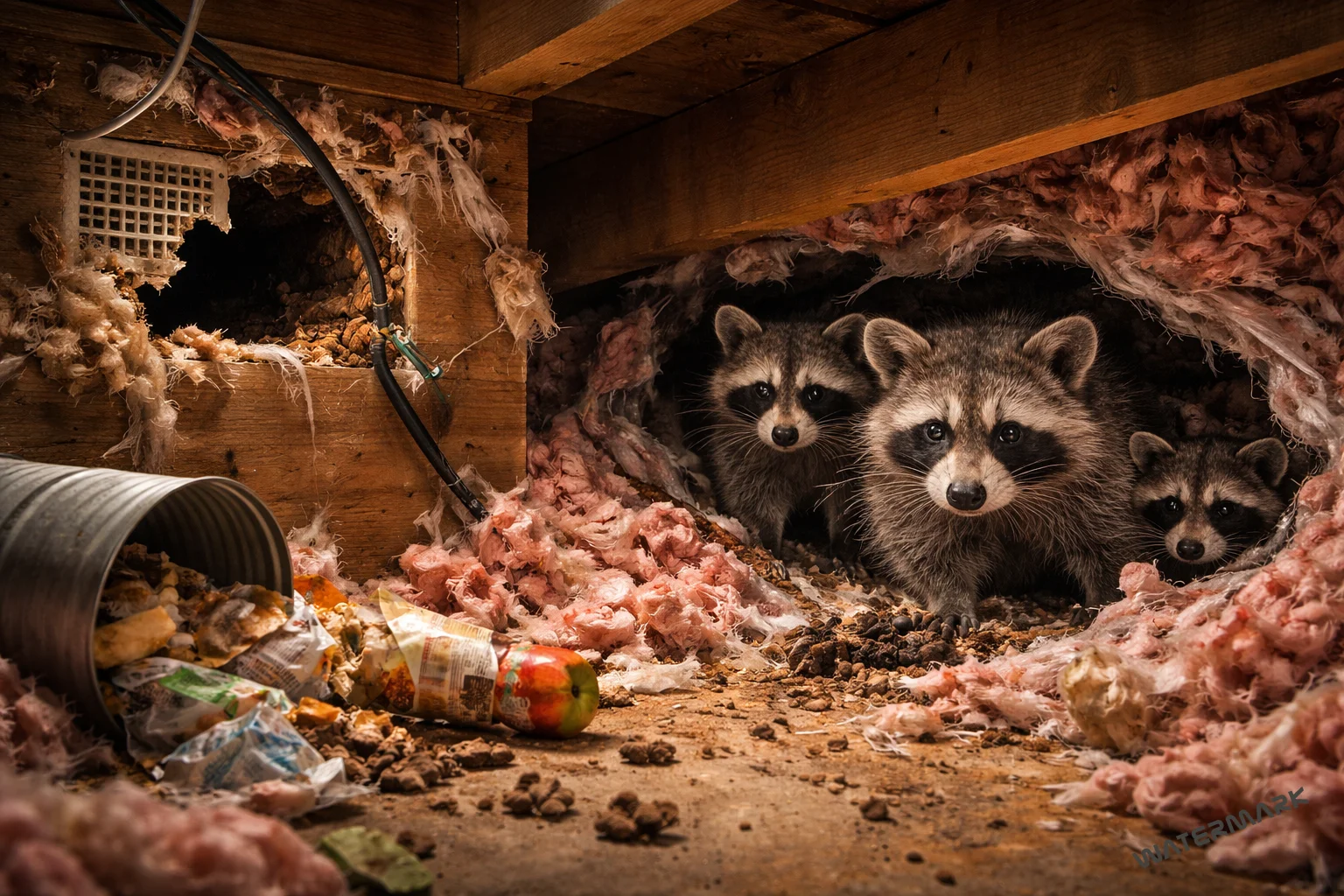
Physical evidence is another clear indicator of raccoon presence. Look for torn insulation, scattered droppings that resemble small dog feces, torn ductwork, or damaged electrical wiring. Raccoons create latrines in specific areas of your attic, and their waste can accumulate quickly, creating both structural damage and health hazards due to the parasites and diseases their feces may carry. You might also notice a strong, musky odor that develops as the infestation continues.
Outside your home, check for entry points such as torn soffit vents, removed roof shingles, or enlarged openings around chimneys and roof edges. Raccoons have powerful paws and can tear through many building materials to create access points. You may also see greasy smudge marks around entry holes from their oily fur, or paw prints on dusty surfaces around your roofline.
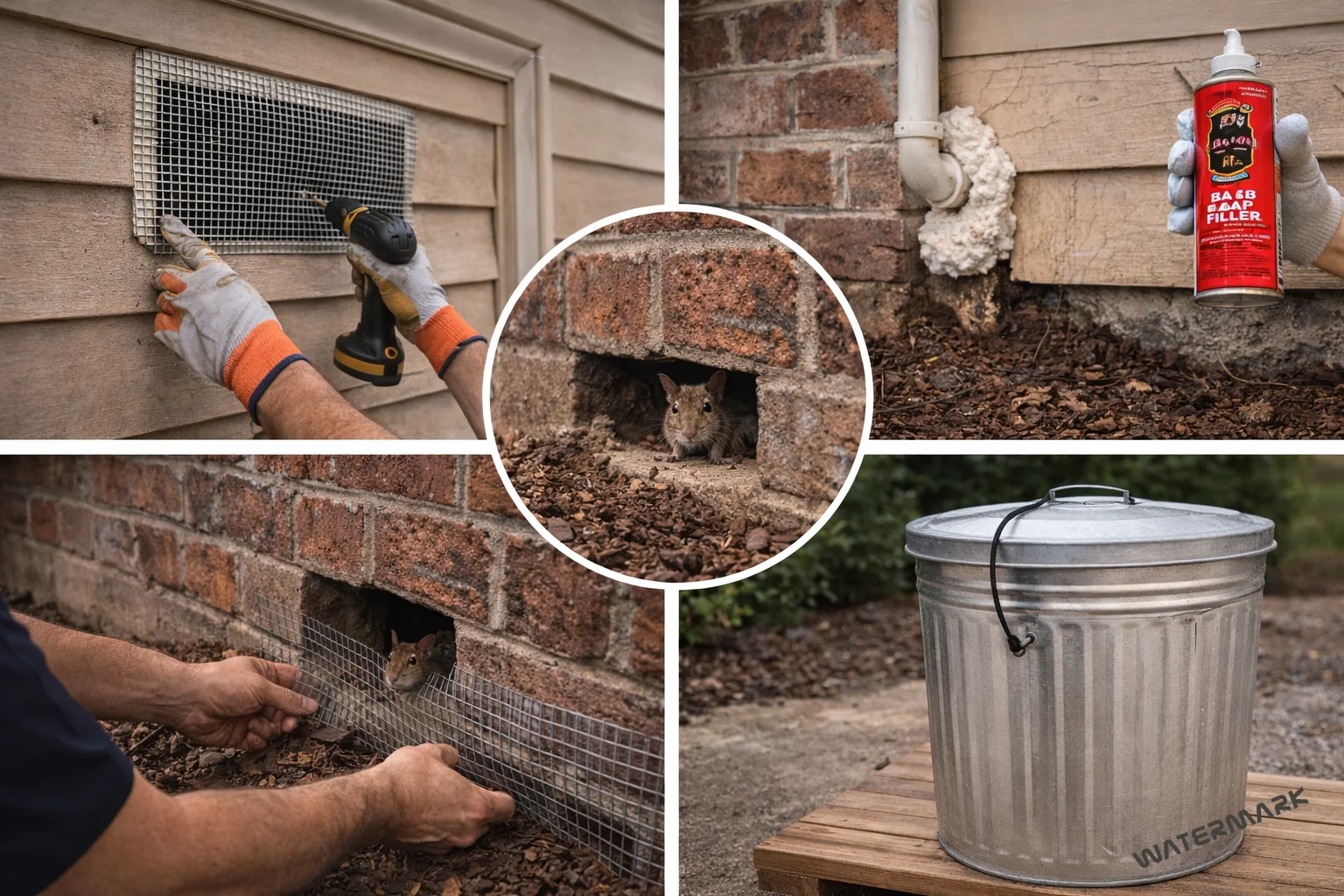
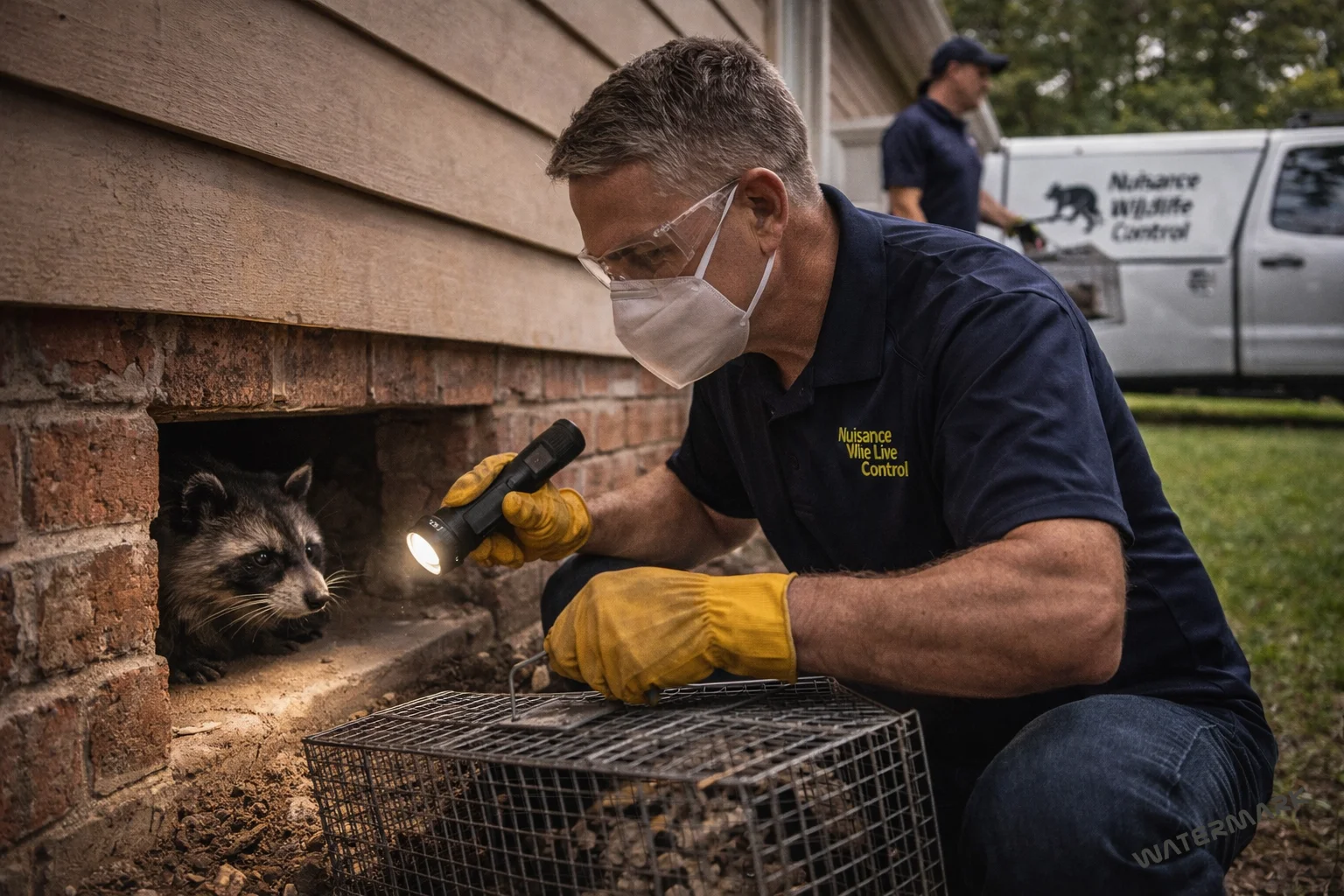
If you suspect raccoon activity in your attic, it's crucial to contact a professional wildlife control service immediately. Attempting to remove raccoons yourself can be dangerous, as they can be aggressive when cornered, and you may inadvertently separate mothers from their babies. Professional removal ensures humane trapping, proper cleanup of contaminated materials, and permanent exclusion work to prevent future invasions. Don't wait until the damage becomes extensive – early intervention is always more cost-effective and safer for everyone involved.