About raccoon removal in Owens Cross Roads
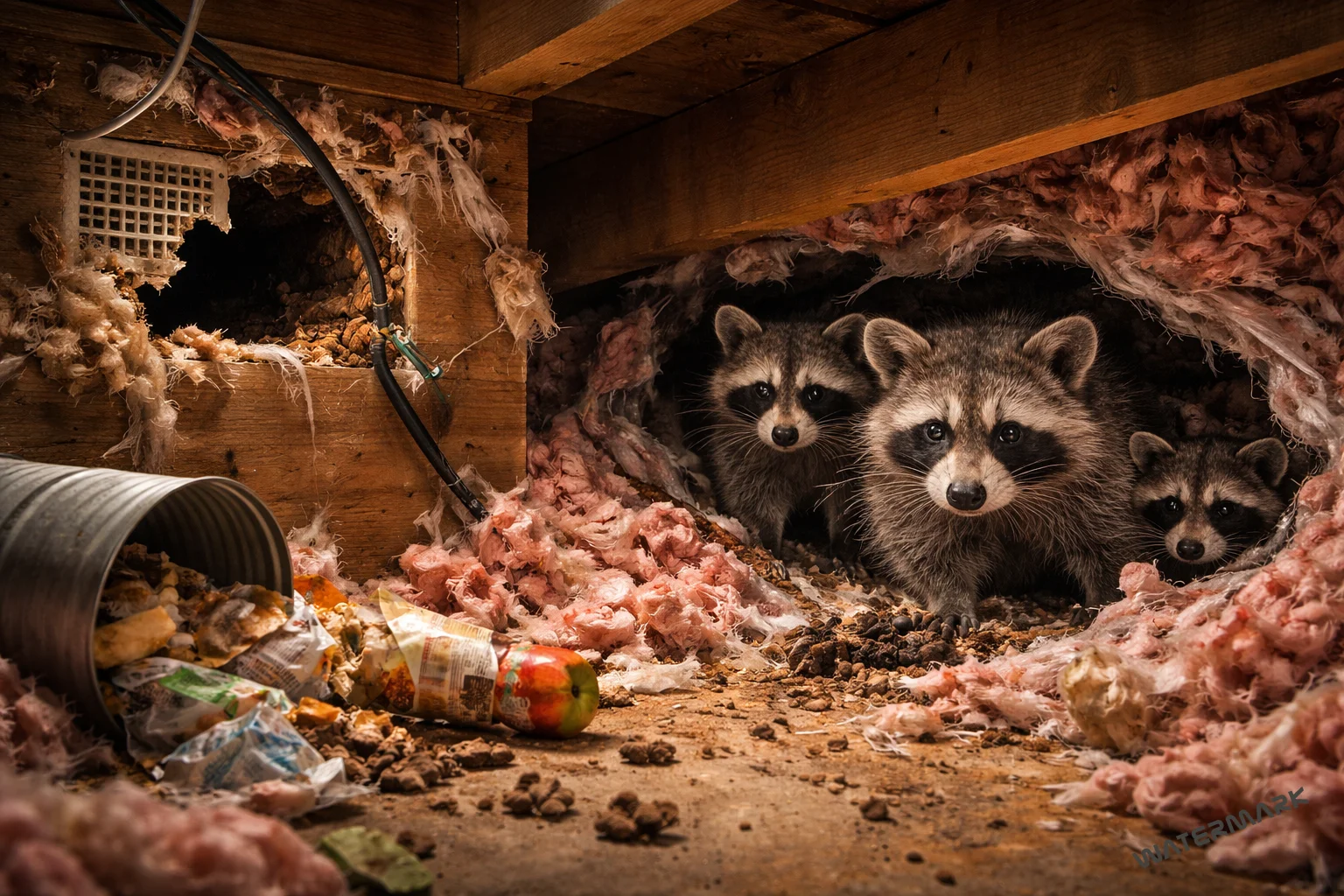
Hampton Cove and Owens Cross Roads put new construction directly adjacent to mature forest and the Flint River. The combination produces raccoons that scout newer homes for attic den sites within weeks of moving in. Generous attic spaces, ridge-cap details that haven't fully sealed yet, and tree lines that meet the roof give them everything they need. We run this corridor heavily February through May for maternal denning and consistently across the rest of the year for entry repair and exclusion. Most jobs include attic sanitation because raccoon latrines establish quickly in newer attics.
Local context for Owens Cross Roads
Hampton Cove ridge-cap entries lead Owens Cross Roads-area raccoon calls. Second most common is the soffit return at the wooded side of newer homes. Flint River-adjacent properties also see foundation-vent crawlspace entries.
Where we work: Madison County · ZIPs 35763 · along US-431, AL-431, Sutton Rd
What's included
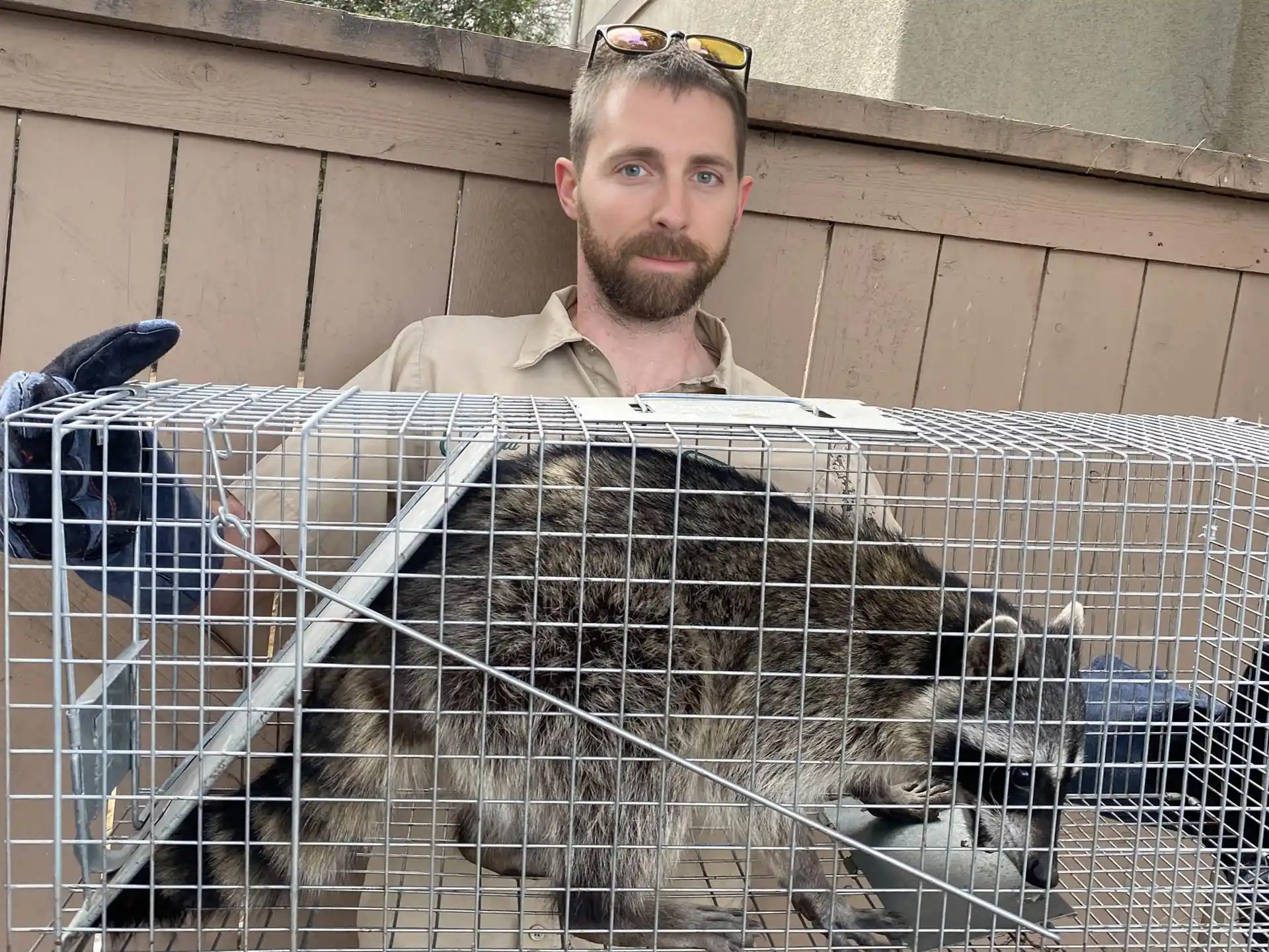
- Live trap and humane removal
- Mother-with-young handling
- Latrine cleanup and insulation replacement
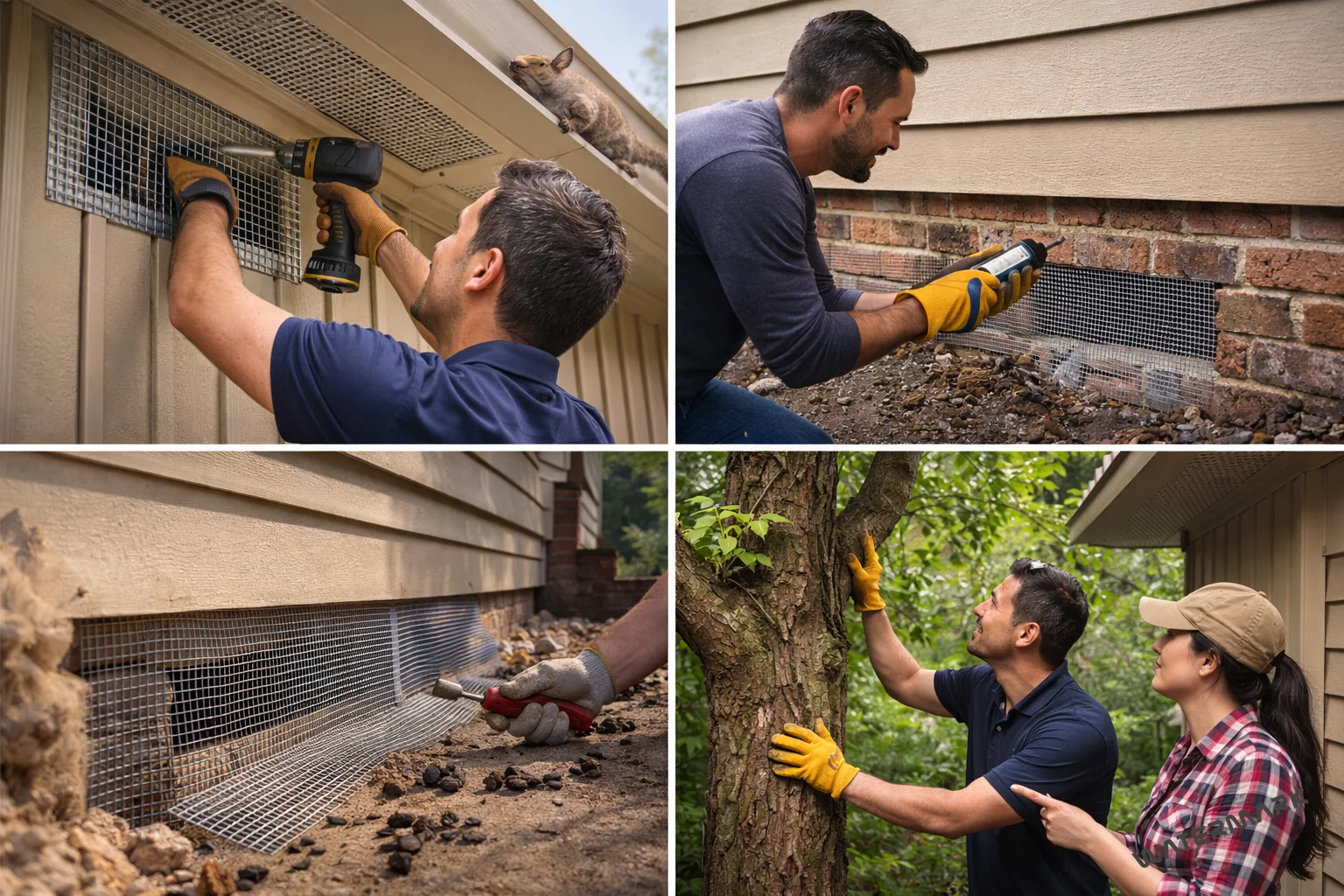
- Reinforced entry-point repairs
Working a job in Owens Cross Roads is one piece of a bigger picture — raccoons behave the same way across North Alabama, even when entry points differ town to town. For the biology, damage patterns, exclusion approach, and where else we work this species, see our full raccoons in attic in North Alabama guide.
What you should know about raccoon removal
Biology & Behavior
Adult raccoons weigh 12–25 lbs, climb roofs easily, and target attics for maternal denning. They will tear soffit vents, lift shingles, and pry roof returns.
When this happens in Owens Cross Roads
Peak attic activity is February through May (denning and kit-rearing). Late-summer dispersal brings juveniles into garages and crawlspaces.
Alabama & Federal Regulations
Raccoons are an unprotected nuisance species in Alabama but must be handled humanely; live trapping and on-site euthanasia options follow state wildlife code.
Disease & Safety Risks
Raccoon roundworm (Baylisascaris procyonis), leptospirosis, and rabies. Attic latrines require professional sanitation — spores survive years.
Materials We Actually Use
Live traps, heavy-gauge hardware cloth, steel flashing, stainless screws, replacement soffit and ridge-vent material, attic decontamination supplies.
Recent customer feedback
★★★★★
"Awesome company. They called and made an appointment and were right on time. They looked at my mole and armadillo problem, discussed what needed done, gave me a quote and did a great job."
Ken Westfall
★★★★★
"Jim went above and beyond for my raccoon problem! He was prompt, easy to talk to, and didn’t charge an arm and a leg. He fixed the places where the raccoons were getting into my garage on top of correcting the animal problem. I can’t say E…"
Emily Sundt