Winter is the second-busiest season for wildlife in North Alabama homes. The first cold snap of November or December reveals infestations that had been quietly accumulating since fall — and once the furnace runs, the warm air column makes attic wildlife much more obvious.
What you might be hearing
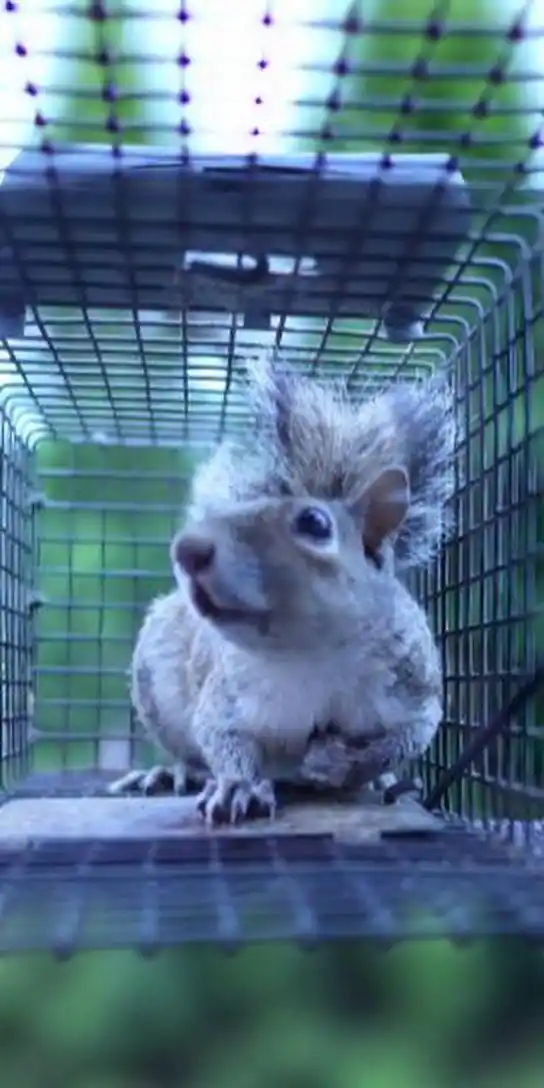
- Daytime scratching: squirrels. The two yearly birth cycles (Feb–March and Aug–Sept) plus winter denning produce constant attic activity.
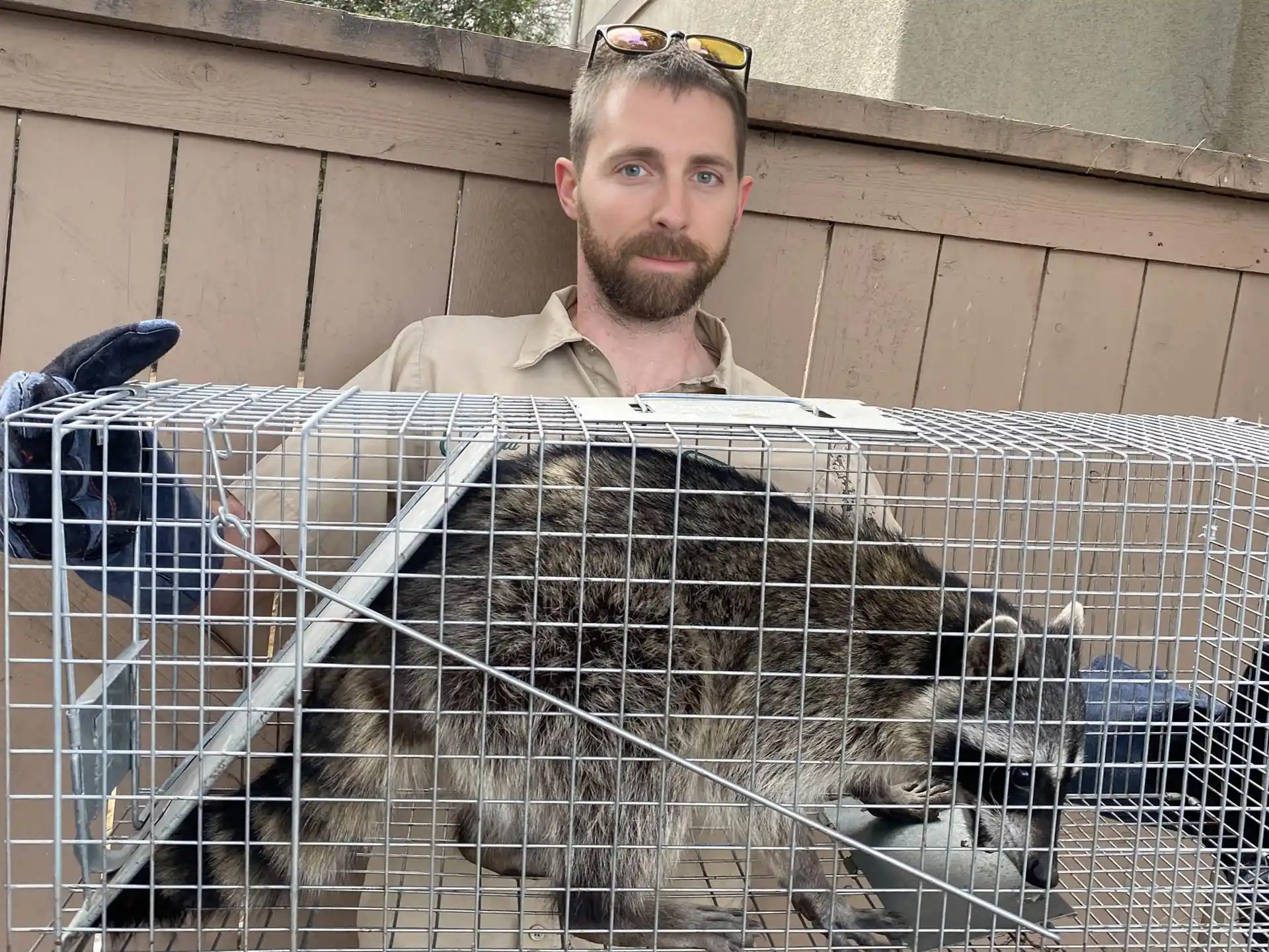
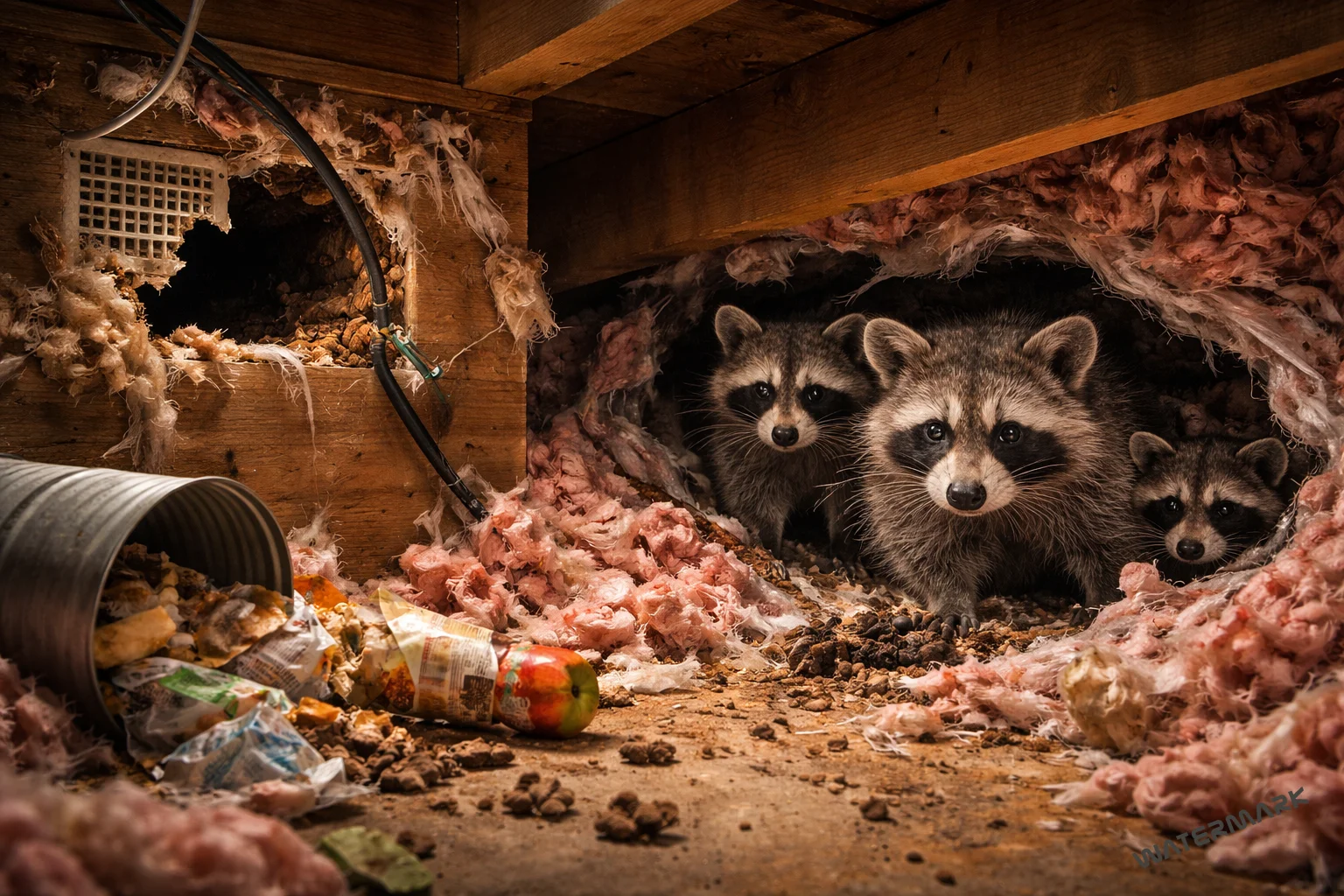
- Heavy nighttime footsteps: raccoons. Female raccoons scout winter dens in fall and settle in for the season.
- Light scurrying at night: mice and rats. Cold drives them indoors more aggressively than any other season.
- Sounds only at dusk: still possibly bats, though bat activity slows dramatically in winter.
Why winter is different
Most attic wildlife is opportunistic — animals exploit weaknesses that were always there but weren't actively in use during warmer months. Winter changes the math:
- Heated indoor air creates a strong differential — wildlife seeks warmth.
- Food sources outside dwindle, pushing animals toward stored food or shelter near food sources.
- Den-site competition increases as more animals seek shelter.
- You're inside more. You hear and smell things you would have missed in summer.
The smell signal
Winter is when wildlife odors become unmistakable. Compressed contaminated insulation gives off concentrated odors as the furnace warms it. Raccoon urine and feces in particular develop a strong, distinctive ammonia smell that's far more obvious in a heated house than in a 90-degree summer attic.
If you're catching a faint animal smell in winter that wasn't there in summer, investigate. It's typically a sign of accumulated waste, not new activity.
What you should do
- Listen for the timing. Daytime → squirrels. Nighttime heavy → raccoons. Nighttime light → rodents. See our full sound identification guide.
- Check the attic in daylight. Bring a flashlight, wear a dust mask. Look for: droppings, chewed wire insulation, trails through insulation, nesting material, damaged ductwork.
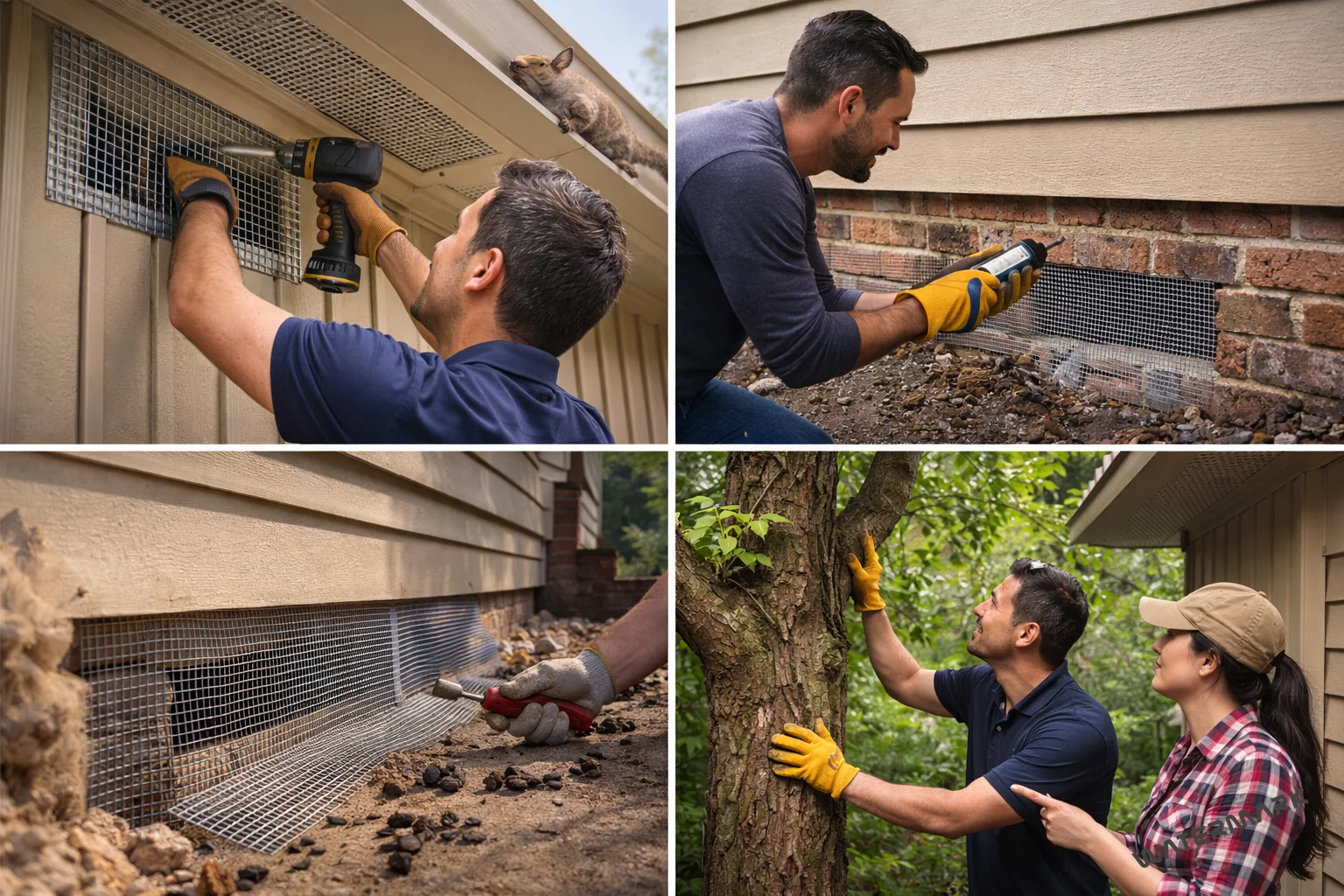
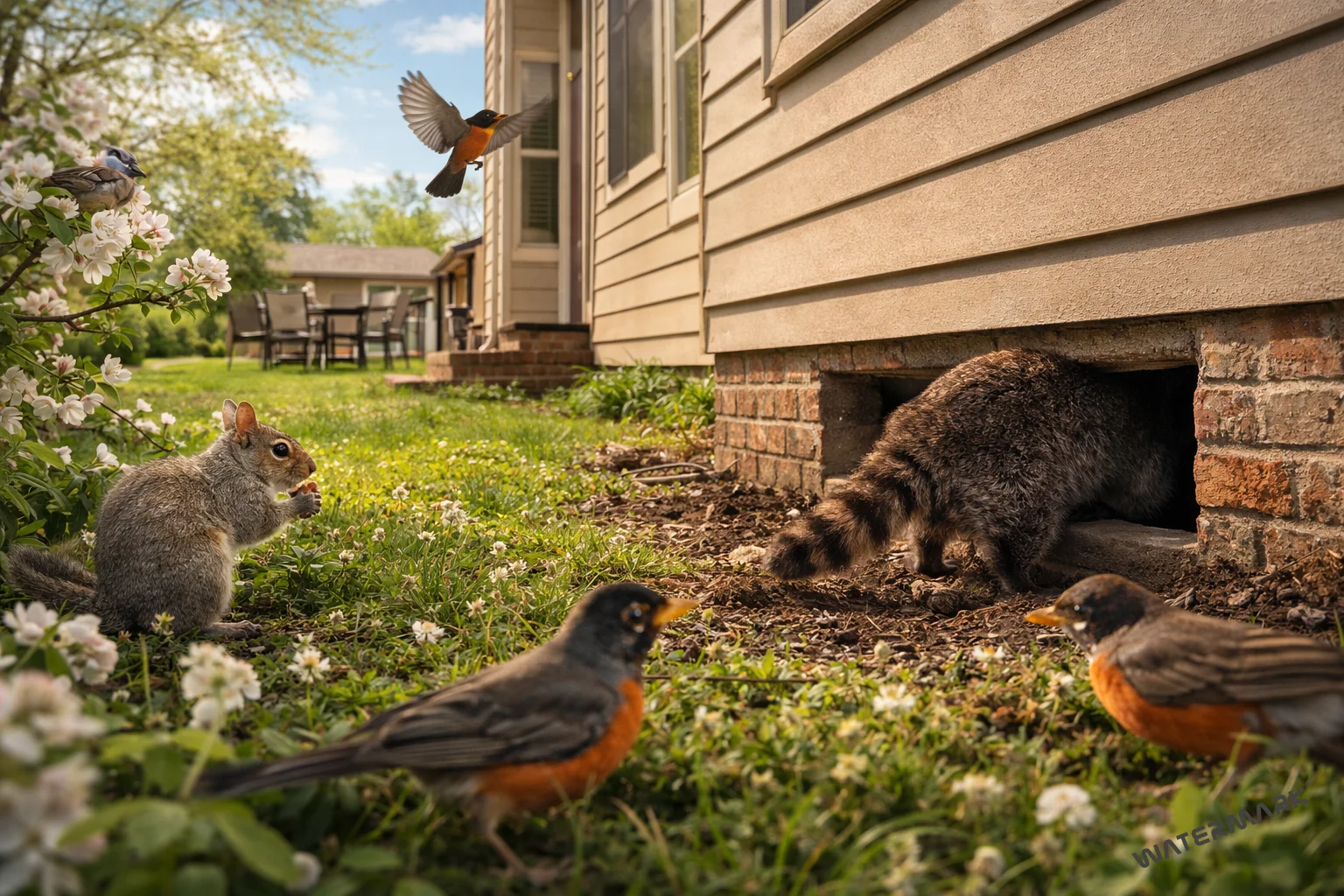
- Inspect the exterior. Cold-season squirrel entries are usually visible — chewed wood at soffit returns, lifted shingles at ridge caps, damaged gable vents.
- Call early. Squirrel kits born in February make removal more complicated than removal in January. Raccoon kits born in March do the same. Winter is the easier window to resolve a problem before it becomes a maternity-season problem.
The winter advantage
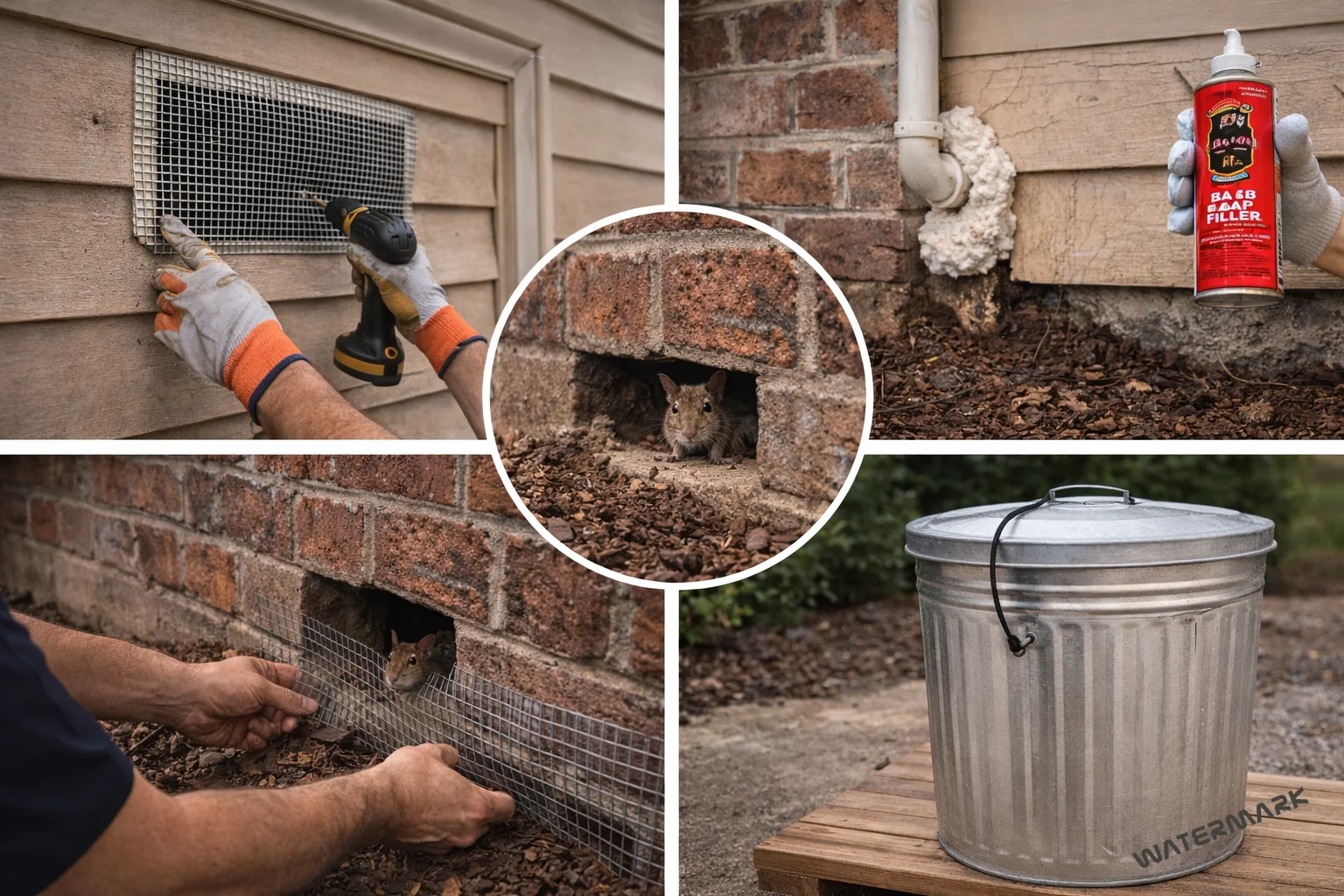
For most species, winter is actually the optimal time to do exclusion work:
- No kits yet (for squirrels, raccoons, and most species — bats are different).
- Better visibility through bare trees during exterior inspection.
- Cooler attics are safer to work in (summer attic temperatures in Alabama frequently exceed 130°F).
- Roof work is doable on most days outside of ice events.
Wait until March, and you're working around mothers and kits. The cost goes up; the timeline extends.
Specific winter risks
- Frozen pipes from compressed insulation. Wildlife flatten insulation as they travel, creating cold-bridge points where pipes can freeze that wouldn't have frozen in an undisturbed attic.
- Increased fire risk from chewed wiring. Cold weather means more electrical load (heat strips, space heaters). Damaged wiring is more likely to fail under load. See our squirrel wiring damage guide.
- HVAC contamination. Raccoons in particular damage ductwork; with the furnace running, contamination distributes through the home much faster than in summer.
Where we're busiest in winter
Across our service area, the heaviest winter call patterns are: Huntsville (sheer volume), Madison (newer-construction squirrel entries), Decatur (historic-district masonry rodent entries), and Owens Cross Roads (raccoon denning in Hampton Cove). Call us — most jobs scheduled within 24–48 hours, weather permitting.