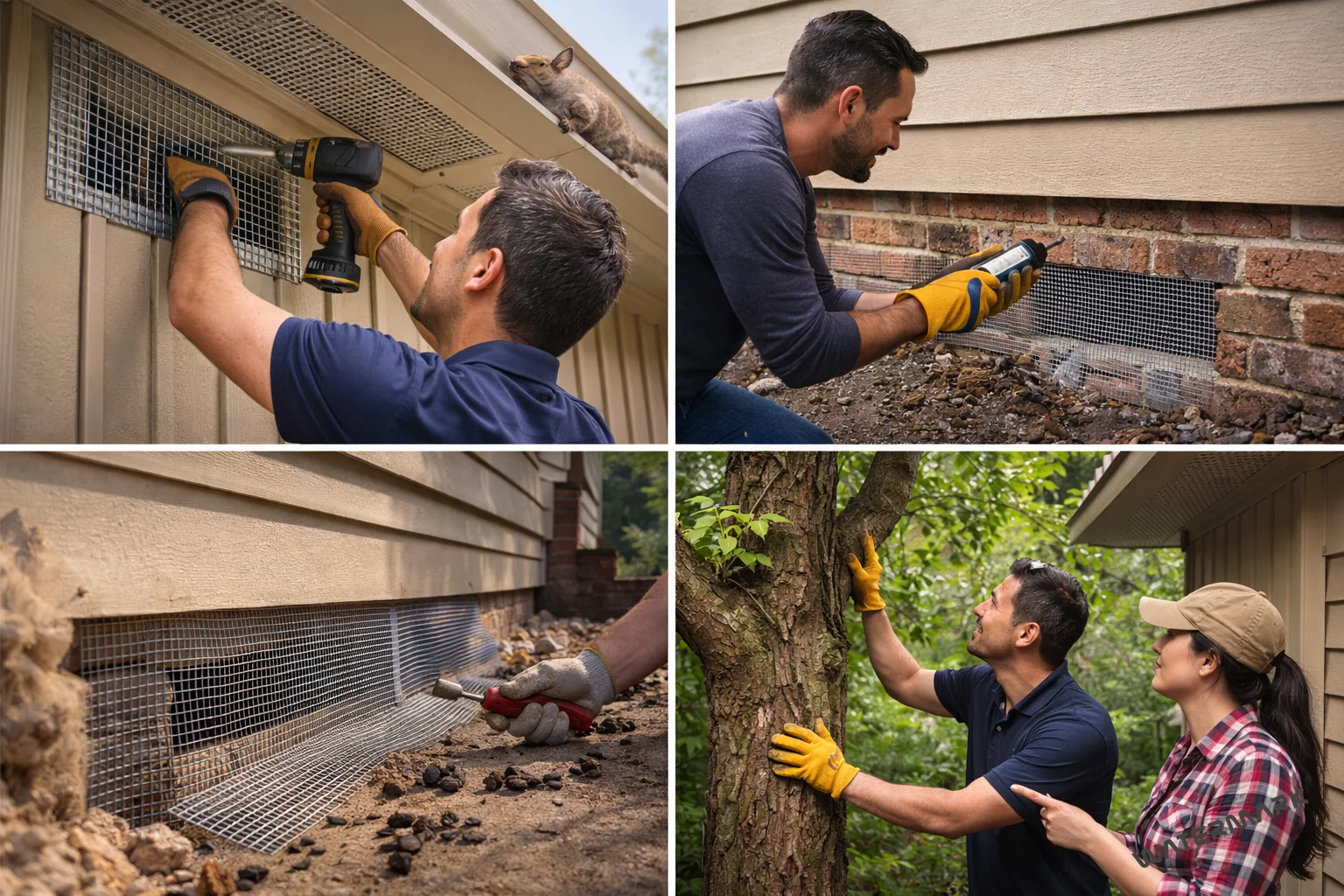
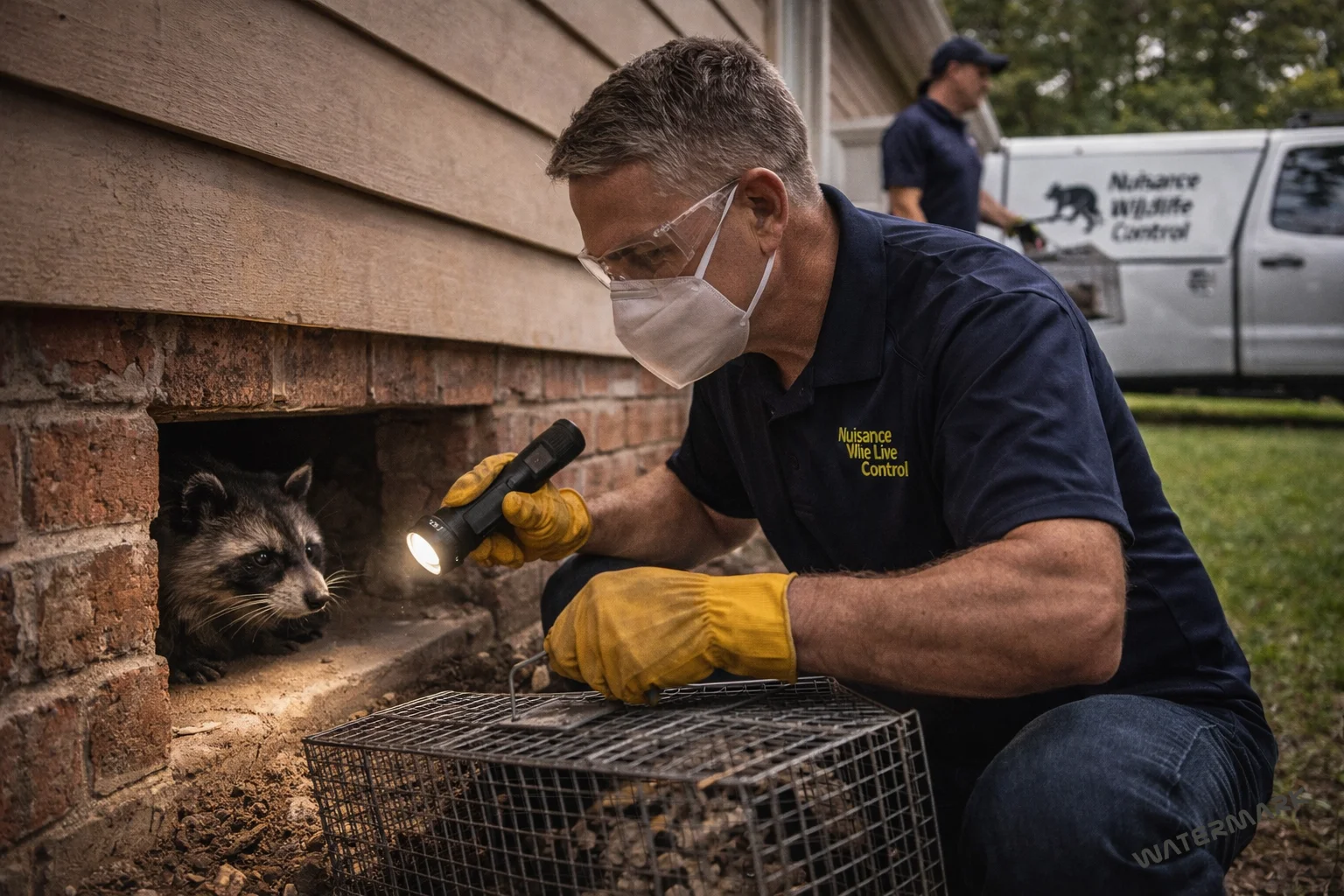
Wildlife in your home creates two kinds of damage: damage to your structure (chewed wiring, torn soffits, ruined insulation) and damage from the animals themselves (droppings, urine, sometimes dead animals). Homeowner's insurance treats these very differently.
The short answer
Most U.S. homeowner's policies cover sudden, accidental damage from wildlife — including chewed wiring, torn soffit/fascia, and insulation contamination from a covered species. Most policies exclude:
- Damage from rodents (mice and rats) — almost always excluded as "vermin."
- Damage from gradual or long-standing infestations that the homeowner should have noticed.
- Damage from insects.
- The wildlife removal service itself (in most cases) — though some policies cover it as part of mitigation.
What's typically covered
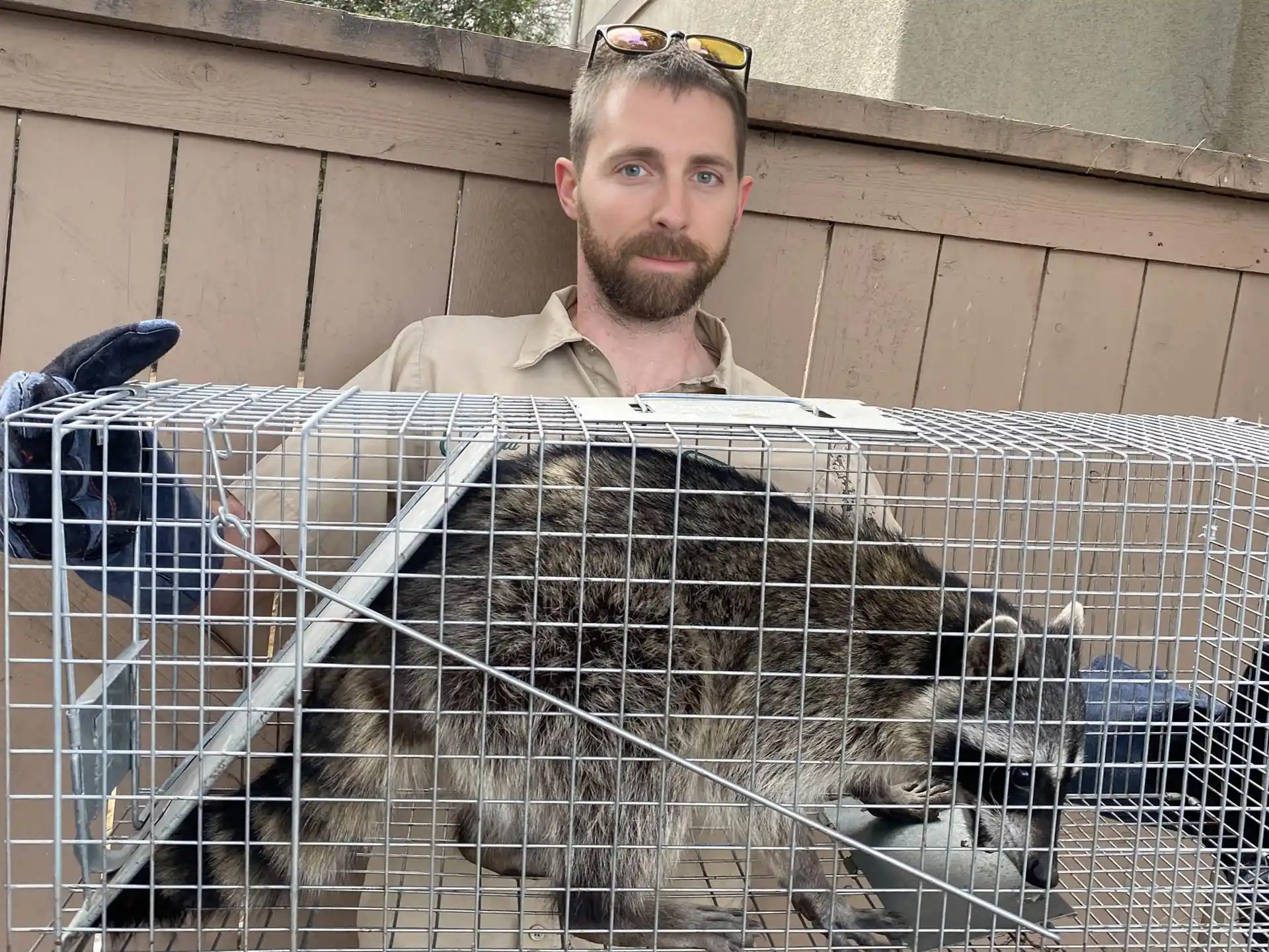
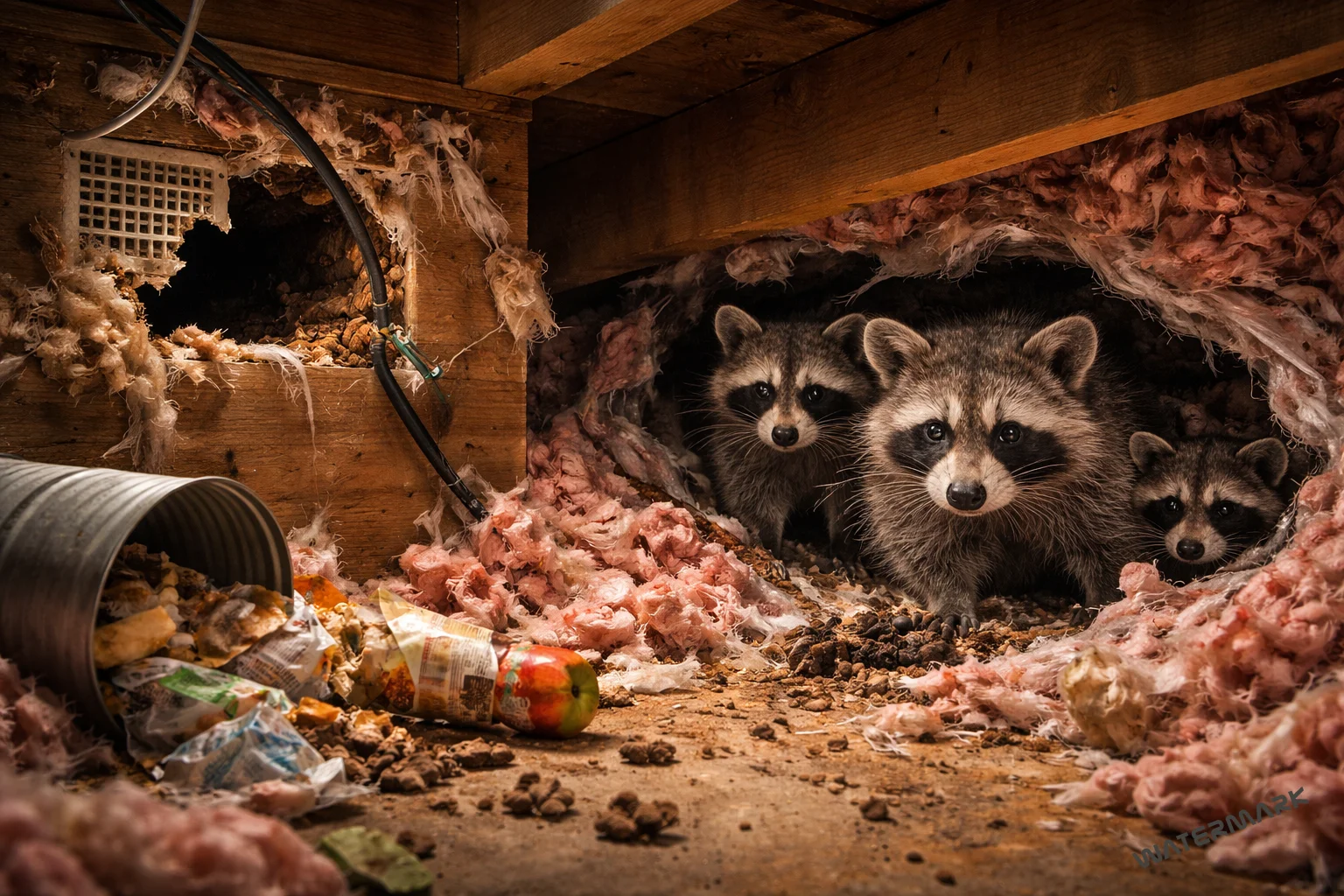
- Raccoon damage: usually covered — chewed soffits, torn shingles, damaged ductwork, contaminated insulation. Insurers treat raccoons as wildlife, not vermin.
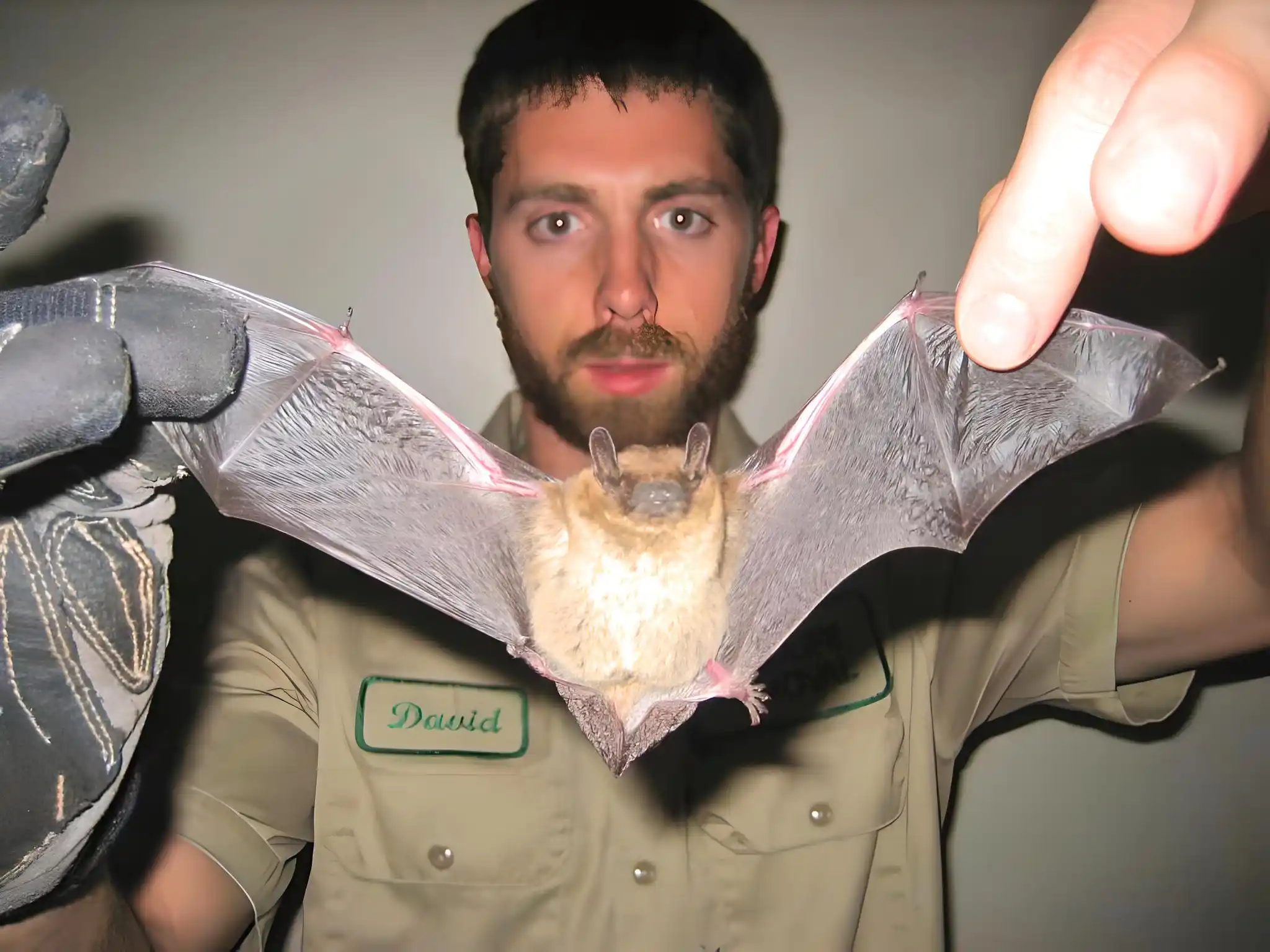
- Bat damage and contamination: usually covered, especially insulation replacement after guano accumulation.
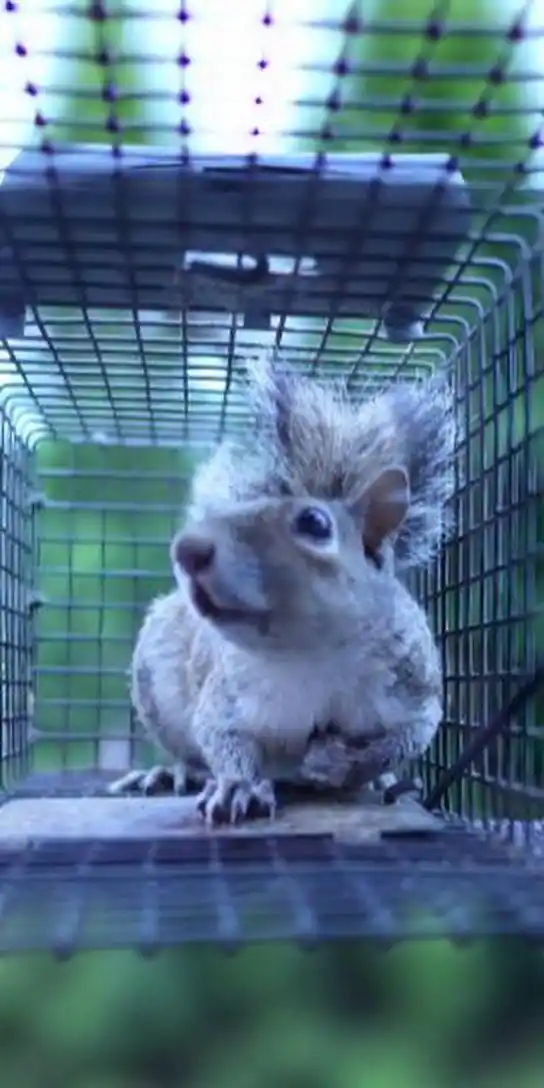
- Squirrel damage: coverage varies. Some insurers treat squirrels as wildlife (covered), some as vermin (excluded). Read your policy.
- Storm-related entry: if a tree damaged your roof and wildlife then entered, the wildlife damage is often considered part of the storm event and covered.
What's typically not covered
- Mice and rat damage (almost universally excluded).
- Long-term infestations where damage accumulated over years.
- The cost of trapping the live animals (though some policies cover this; ask).
- Insect damage.
How to file a claim that gets paid
- Don't clean anything yet. Photograph everything before any cleanup or repair. Damaged insulation, droppings, torn soffits, the entry hole — all of it.
- Get a professional inspection in writing. Insurance carriers want a licensed wildlife professional's report identifying the species, the entry points, and the scope of damage. We provide this with every job.
- Document remediation costs. Itemized scope of work, materials list, labor — your insurer wants line items, not lump sums.
- File promptly. Most policies require notification within a defined window (often 30–60 days from discovery).
- Get repairs estimated before the adjuster's visit. Adjusters work faster when you've already done the legwork.
Common reasons claims get denied
- "Gradual damage" exclusion. If the carrier decides you should have known sooner, the claim is denied as long-term wear. Mitigate this risk by reporting the moment you suspect wildlife.
- Vermin exclusion. If the carrier classifies the species as vermin (typically rodents), it's out.
- No documentation. A photo of a hole and a hand-written invoice won't get paid. Professional documentation does.
- Self-repair before claim. Fixing damage before the adjuster sees it can void the claim.
What we do to help
Every raccoon, bat, and squirrel job we run includes professional photo documentation of entry points, scope of damage, materials used, and final repairs. If you're filing a claim, that documentation is exactly what your insurer will ask for. See our attic restoration process for the full picture of what goes into a covered wildlife-damage claim.
Call us before you call the insurer — we can usually save you several rounds of back-and-forth.