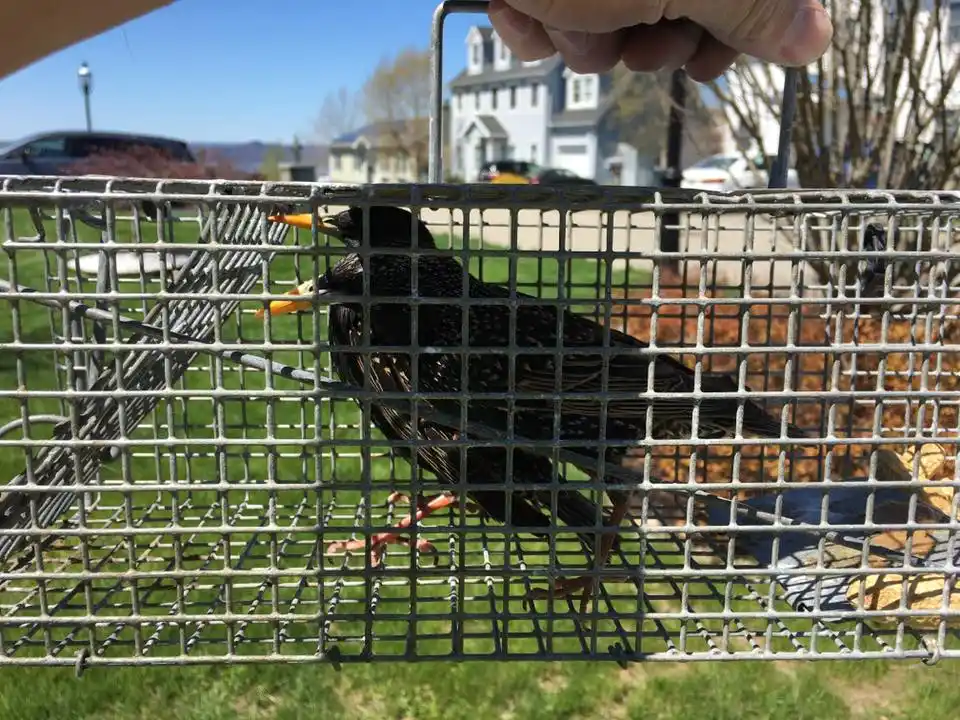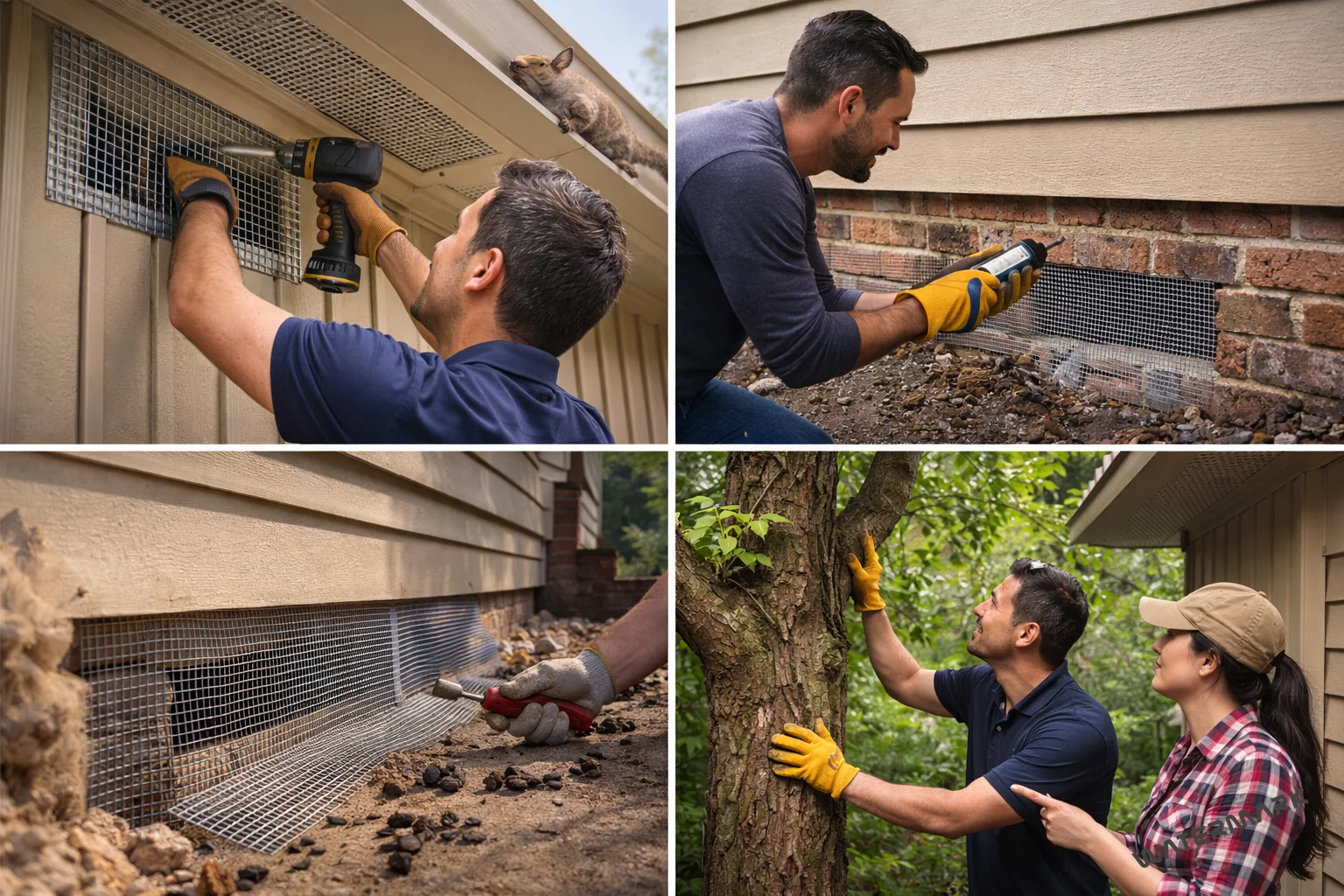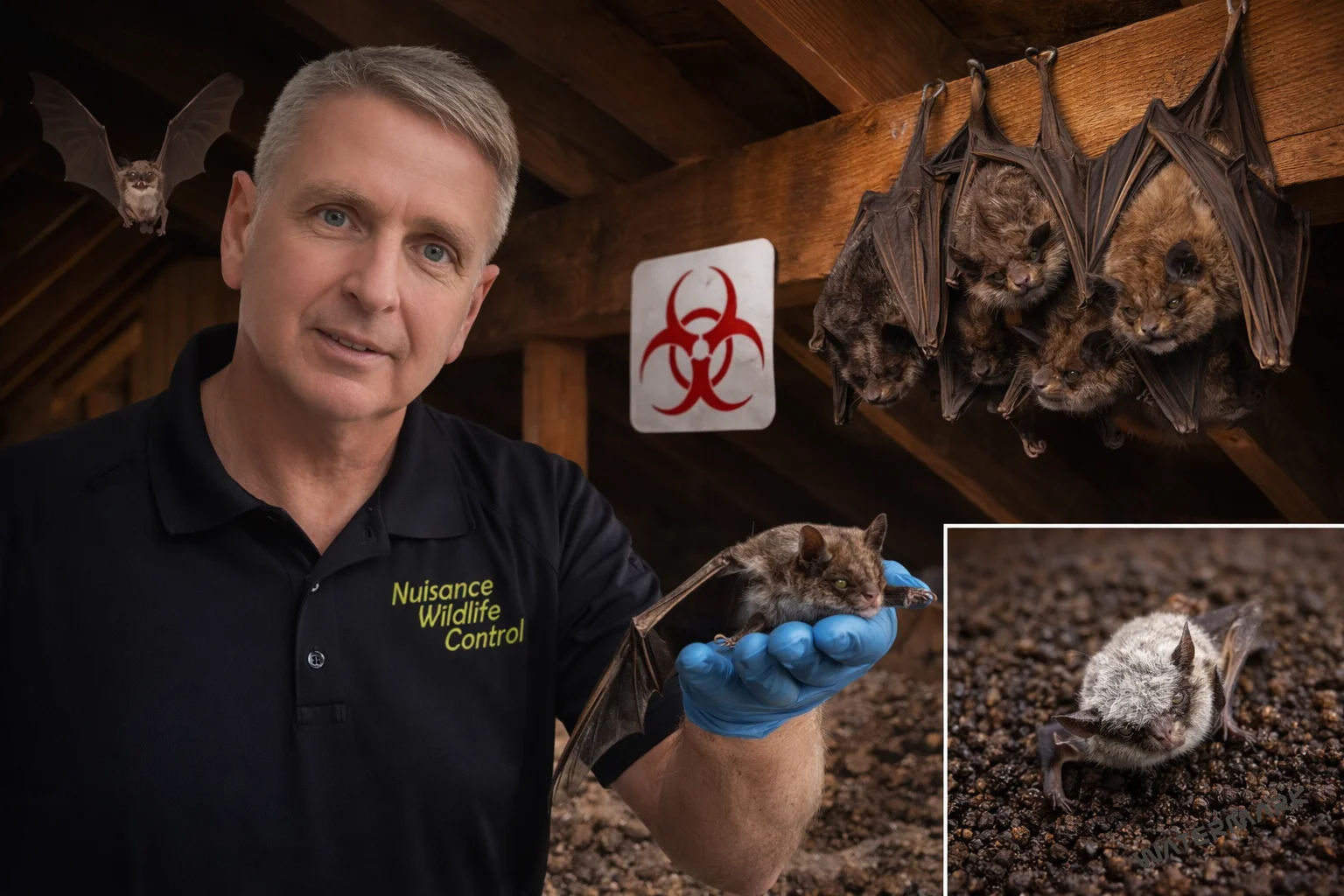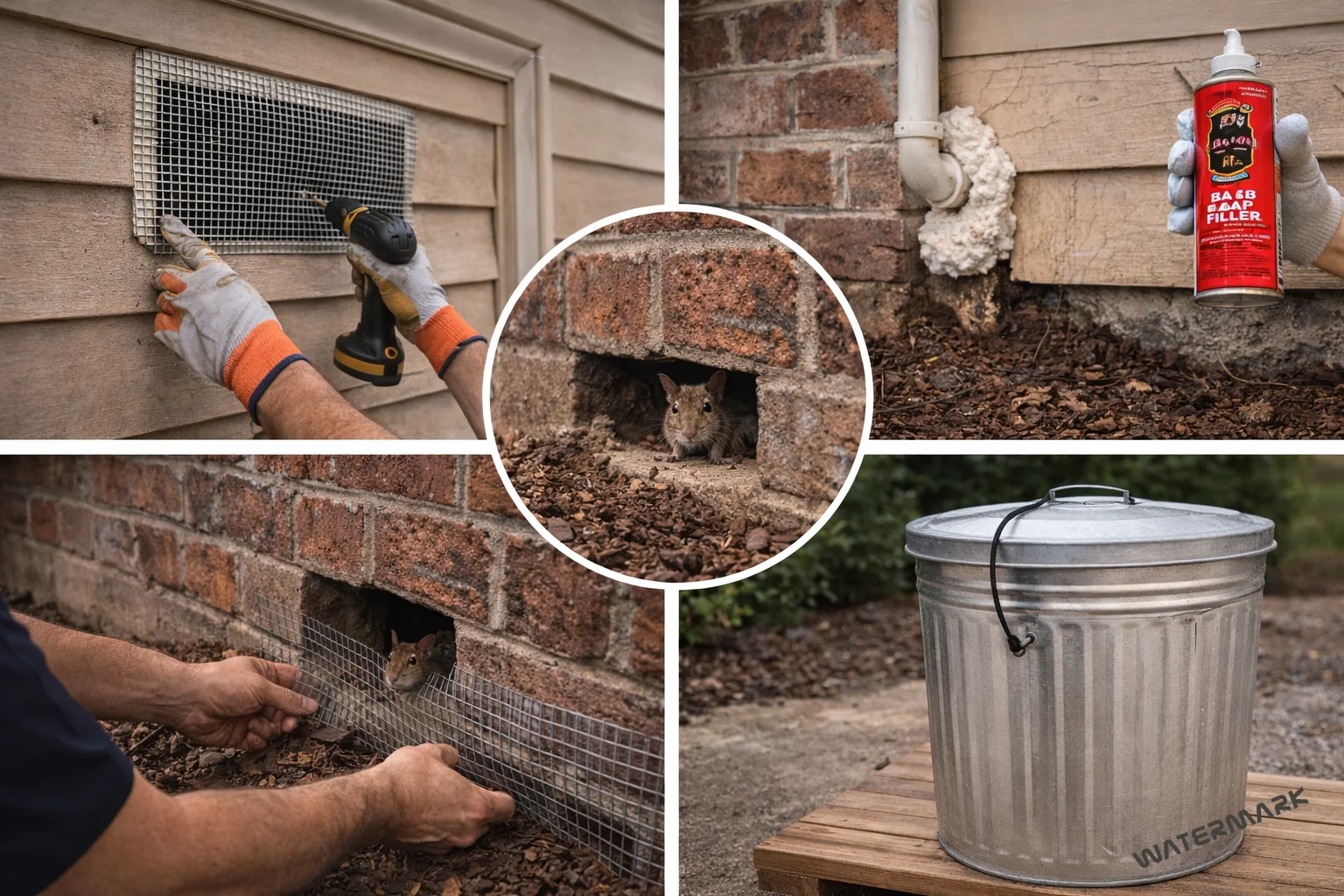
While birds are beautiful creatures that many people enjoy watching, they can become serious nuisances when they decide to roost or nest in or around your home or business. Bird droppings are acidic and can damage paint, metal, and building materials, create slip hazards, and carry diseases like histoplasmosis and cryptococcosis. Birds can also block vents and gutters, create noise disturbances, and attract other pests. Effective bird control requires humane methods that discourage birds from settling on your property without harming them.
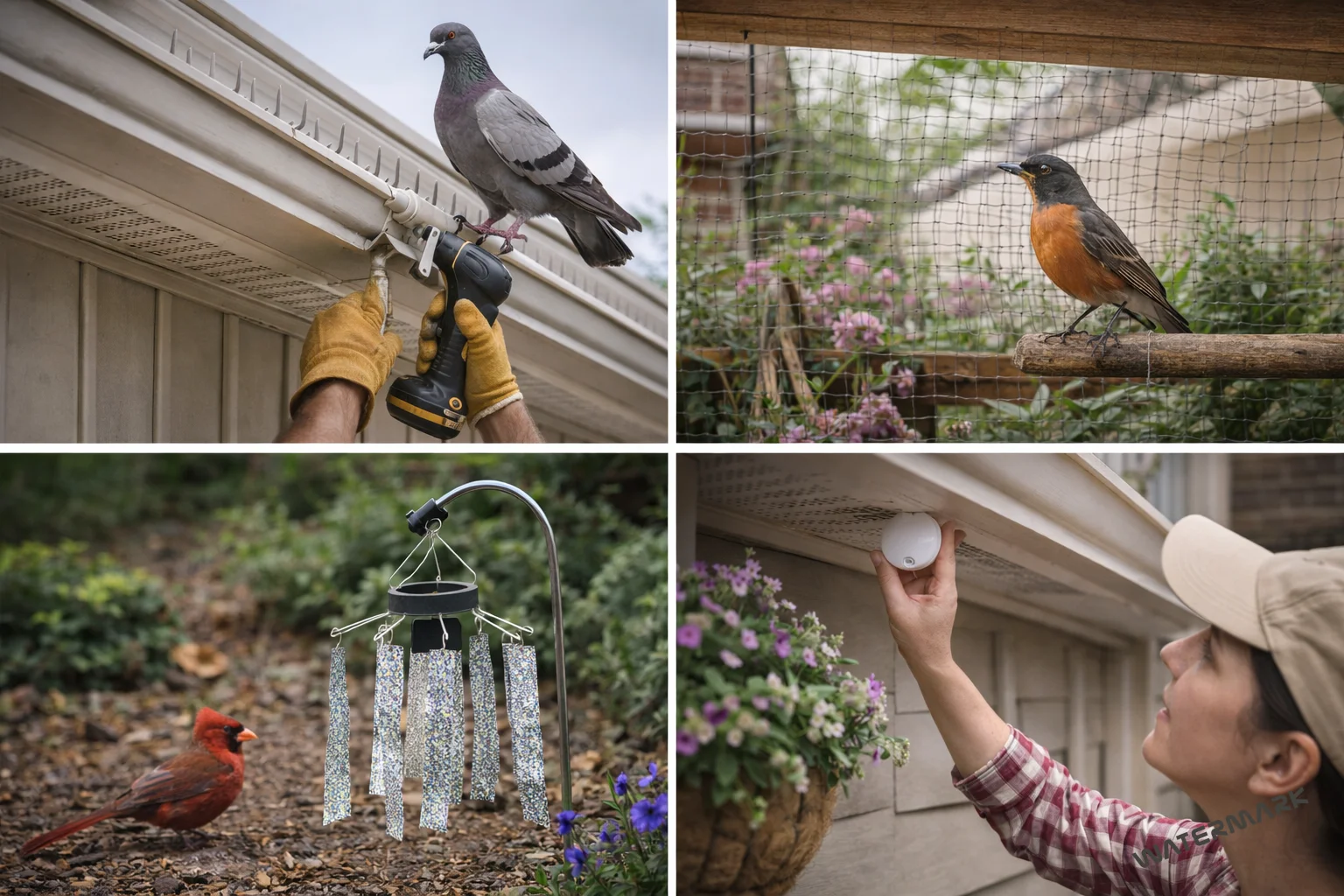
The most effective bird control strategy combines multiple deterrent methods tailored to your specific situation and the bird species involved. Physical barriers are often the most reliable long-term solution. Bird netting creates an impenetrable barrier that prevents birds from accessing areas like balconies, building overhangs, warehouse spaces, or agricultural areas. When properly installed by professionals, netting is virtually invisible from a distance and provides complete exclusion. Bird spikes are another physical deterrent that prevents birds from landing and roosting on ledges, signs, rooflines, and other flat surfaces. These blunt plastic or metal spikes don't harm birds – they simply make the surface uncomfortable for landing.
Visual and auditory deterrents can be effective for some situations, particularly when birds haven't yet established a strong attachment to the location. Reflective tape, predator decoys (like plastic owls or hawks), and spinning devices that catch the light can discourage birds from approaching an area. However, birds often become habituated to static deterrents, so these items need to be moved regularly and combined with other methods. For large open spaces, sonic devices that emit predator calls or distress signals can be effective, though these may not be suitable for residential areas due to noise concerns.
Chemical bird repellents offer another non-harmful control option. These products create surfaces that birds find uncomfortable or unpleasant to land on, either through sticky textures or irritating compounds that affect their feet. Taste aversions can also be applied to areas where birds are pecking or eating structural materials. These repellents need to be reapplied periodically and work best as part of a comprehensive control strategy rather than as a standalone solution.
For serious bird problems, particularly with protected species or in commercial settings, professional bird control services are essential. They can identify the specific bird species causing problems, which is crucial because different birds respond to different deterrents, and some species are protected by federal or state laws. Professionals have access to more sophisticated control methods and can design comprehensive, humane solutions that address your specific situation. They can also safely clean and sanitize areas contaminated by bird droppings, which is important for both structural preservation and health protection. Remember, prevention and early intervention are always more effective and less expensive than dealing with well-established bird roosting sites.