"How long is this going to take?" is the second question every wildlife customer asks (after price). Here are honest timelines for the work we run across North Alabama.
The short answer
Most residential wildlife removal in Alabama takes 1–7 days from initial inspection through final sealing. Bat exclusions take longer because federal law requires timed work around maternity season. Routine squirrel and rodent work can finish in a single day.
By species
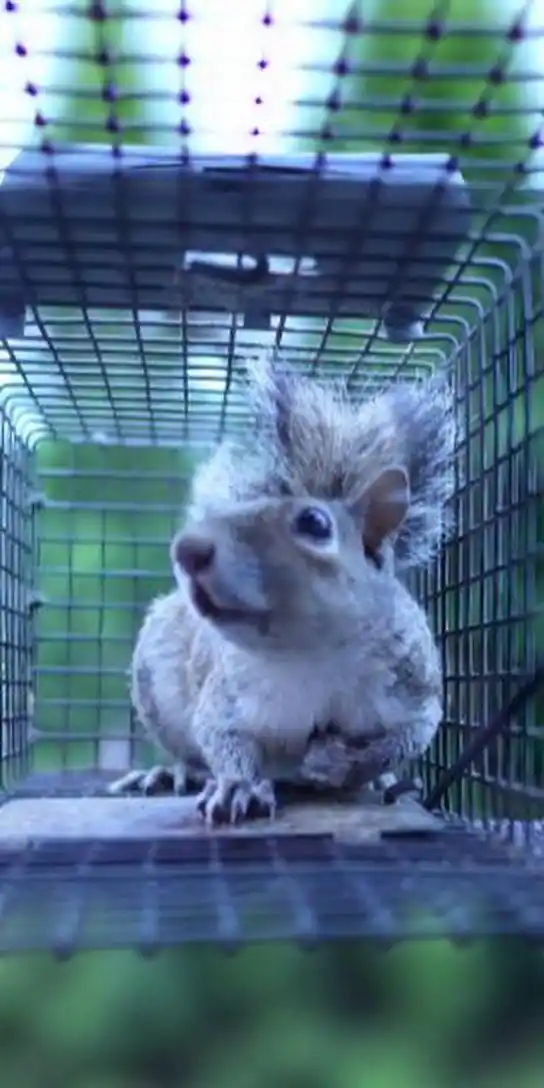
Squirrels: 2–5 days typical
Day 1: inspection, entry-point identification, one-way exclusion devices deployed where squirrels are confirmed present. Days 2–4: monitoring to confirm animals are out. Day 5 or later: full sealing with hardware cloth and matched repair materials. If kits are present (February–March or August–September), timeline extends by 4–6 weeks to allow kits to mature enough to exit with the mother.
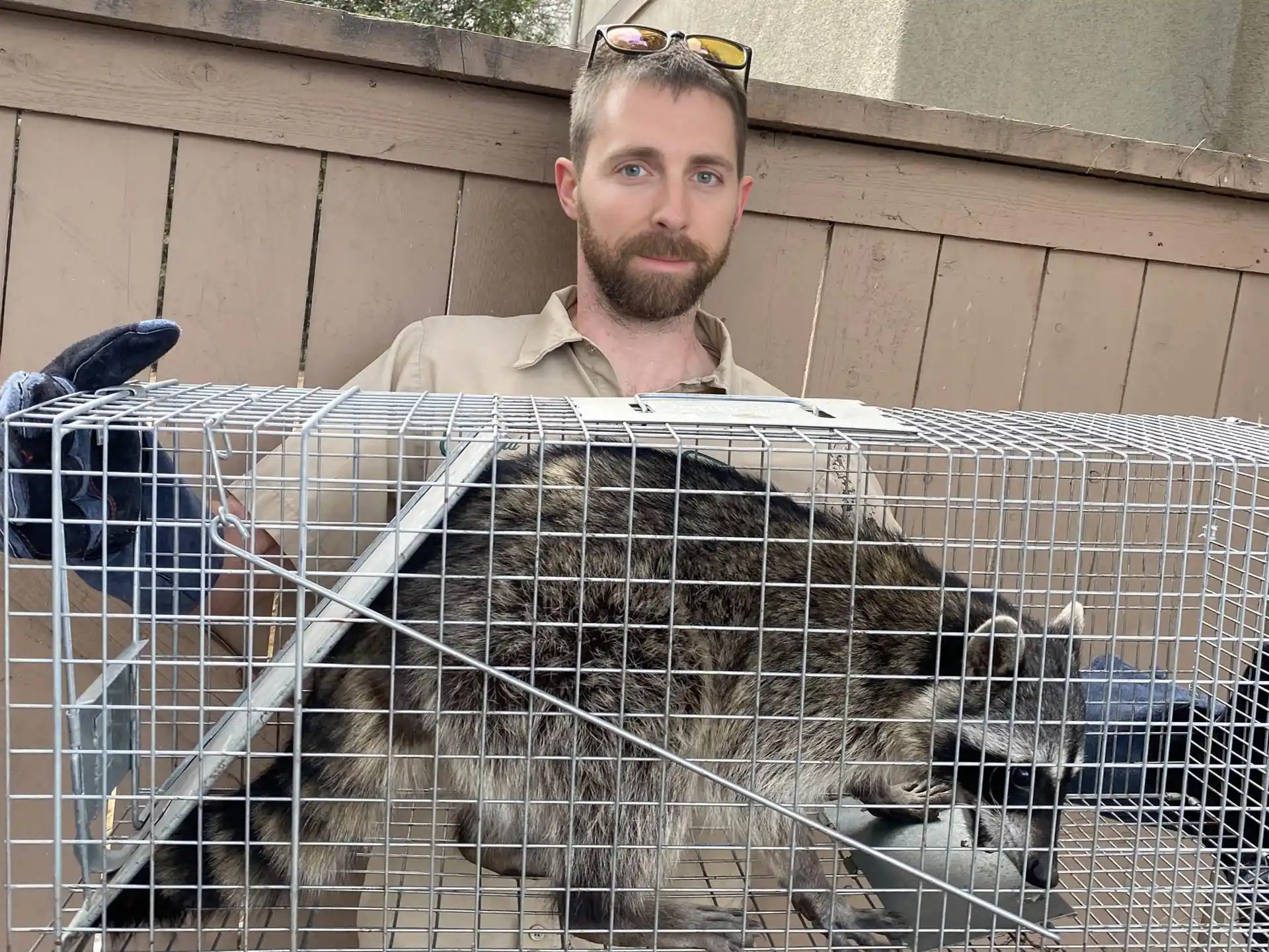
Raccoons: 3–14 days typical
Day 1: inspection, trap placement if appropriate, entry-point mapping. Days 2–7: trapping and monitoring. If a mother with kits is present, hand removal of kits is the safest approach (vs. waiting weeks). Day 8 or later: sealing, latrine cleanup, insulation replacement where needed. Attic decontamination adds a day or two for treatment dwell time.
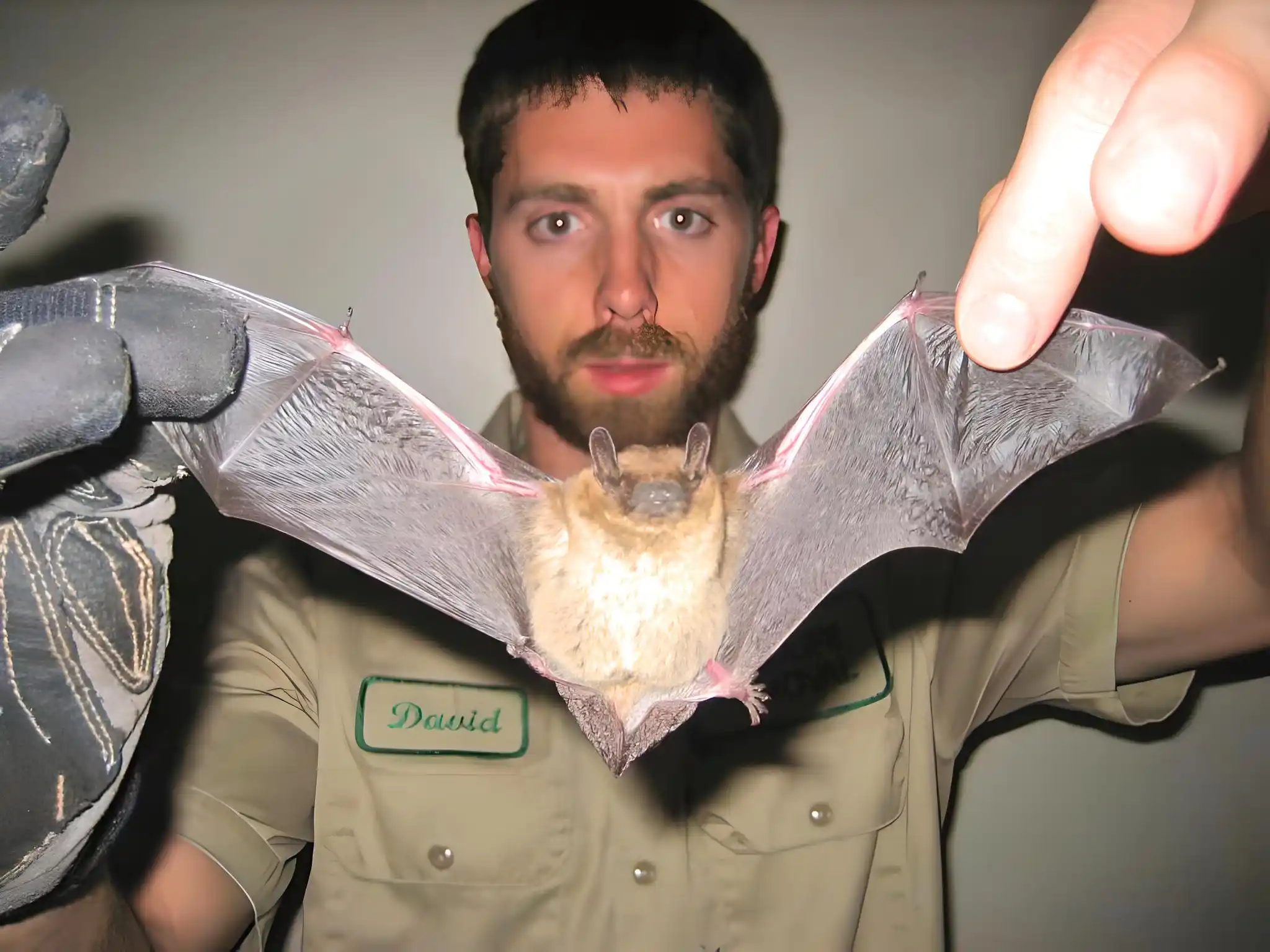
Bats: 2 weeks to several months
This is the longest-running species we handle, and federal/Alabama law drives the timeline. We cannot perform full bat exclusion during maternity season (roughly May 1 – August 1). Outside that window: Day 1 inspection. Days 2–3: one-way exclusion valves installed at active entries. Days 4–10: monitoring confirms colony has fully exited. Day 11+: seal valves, complete repairs, guano cleanup. If you call us in May for a bat problem, the timeline may run into August before exclusion can legally proceed. We can stabilize and prepare during maternity.
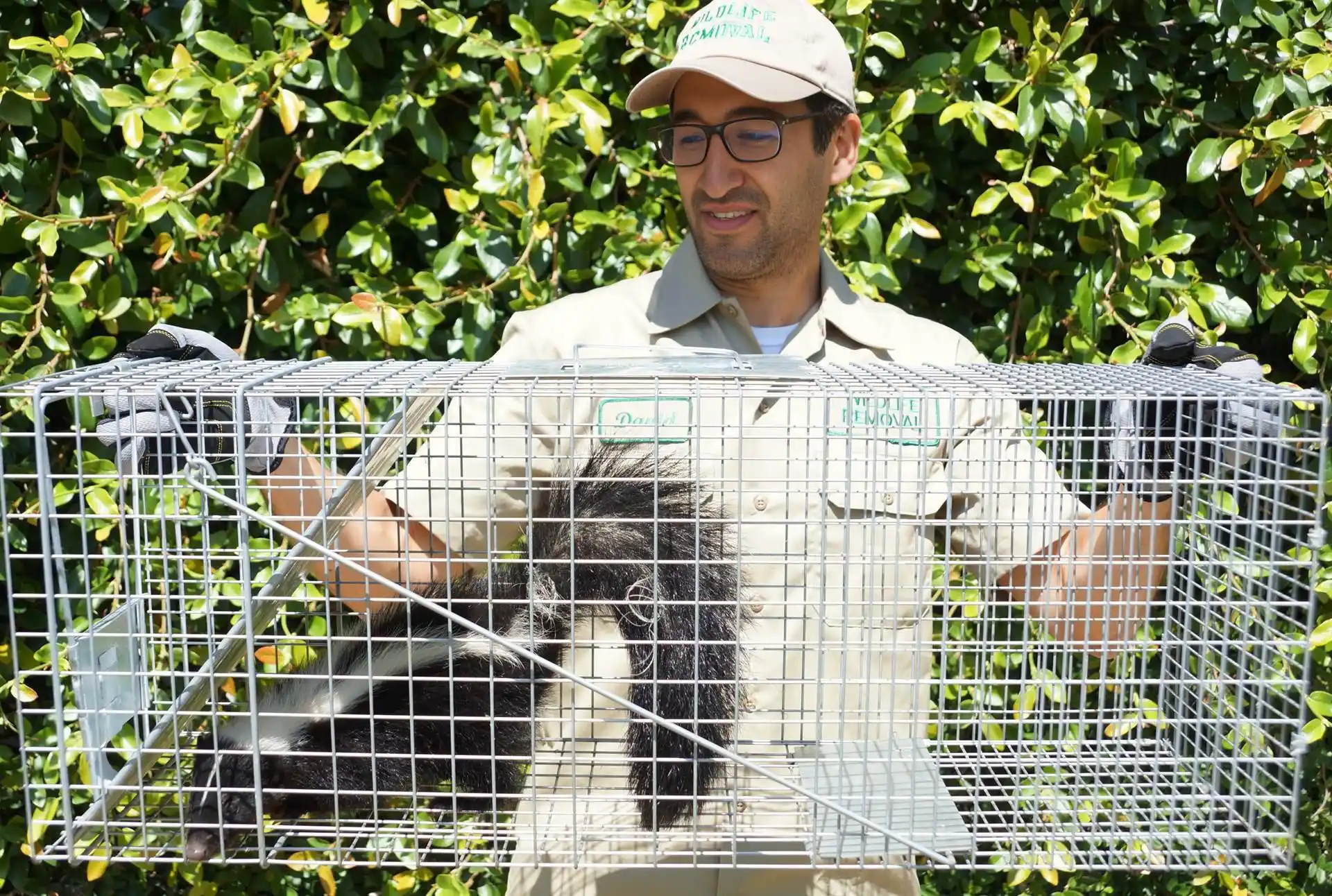
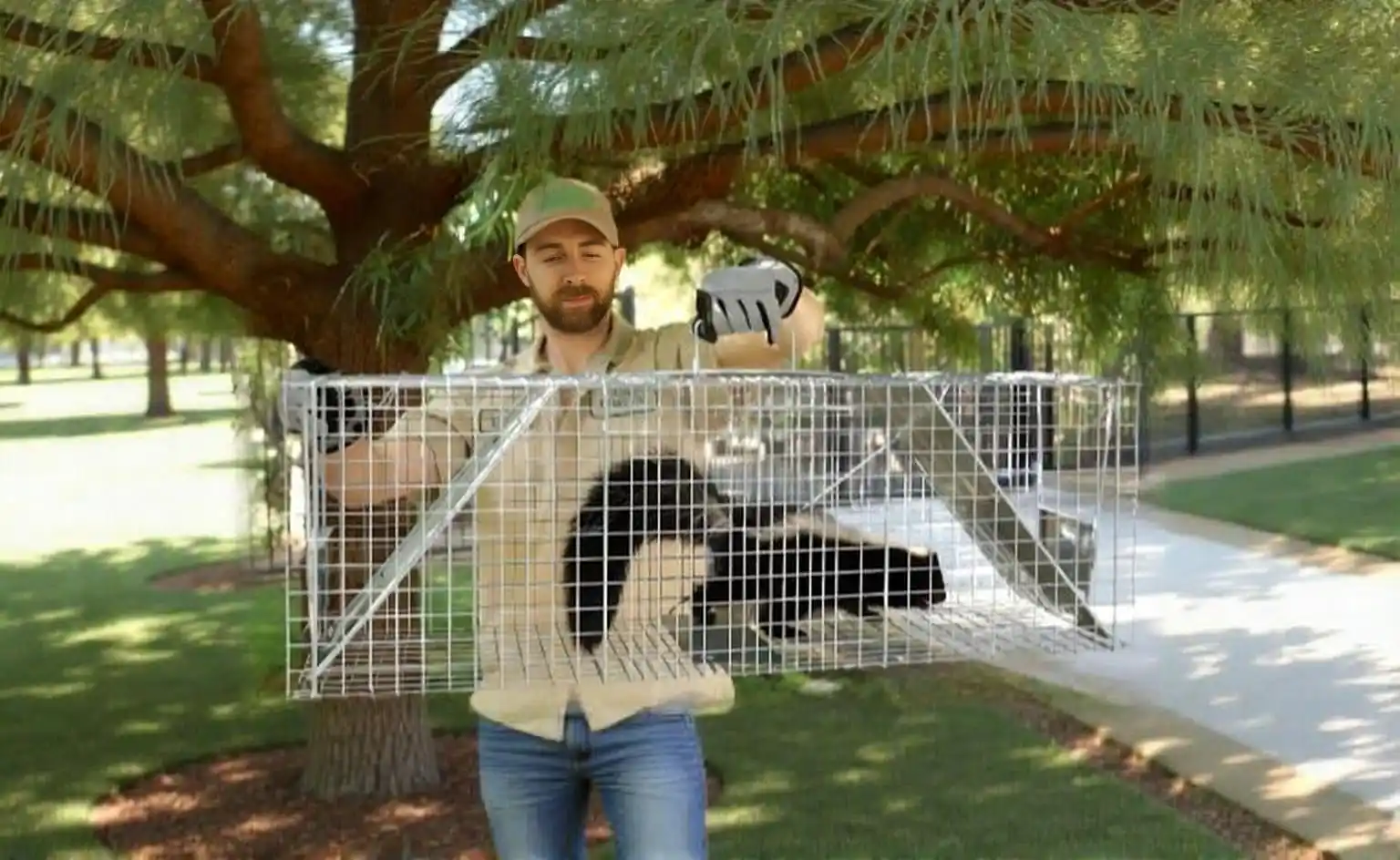
Skunks: 2–7 days typical
Day 1: inspection, trap placement (covered to prevent spray). Days 2–5: trapping. Day 6+: buried exclusion barriers under decks/sheds, odor work if needed.
Opossums: 1–5 days typical
Opossums are transient — many resolve themselves with deterrent measures within a day or two. Live trapping when needed runs 2–5 days. Exclusion sealing afterward to prevent return.
Birds: 1 day to several weeks
Highly variable. Non-protected species (starlings, sparrows, feral pigeons) can be excluded in a single day for typical residential situations. Protected species and active nests with eggs or young must be timed around federal regulations — that can mean waiting weeks to months.
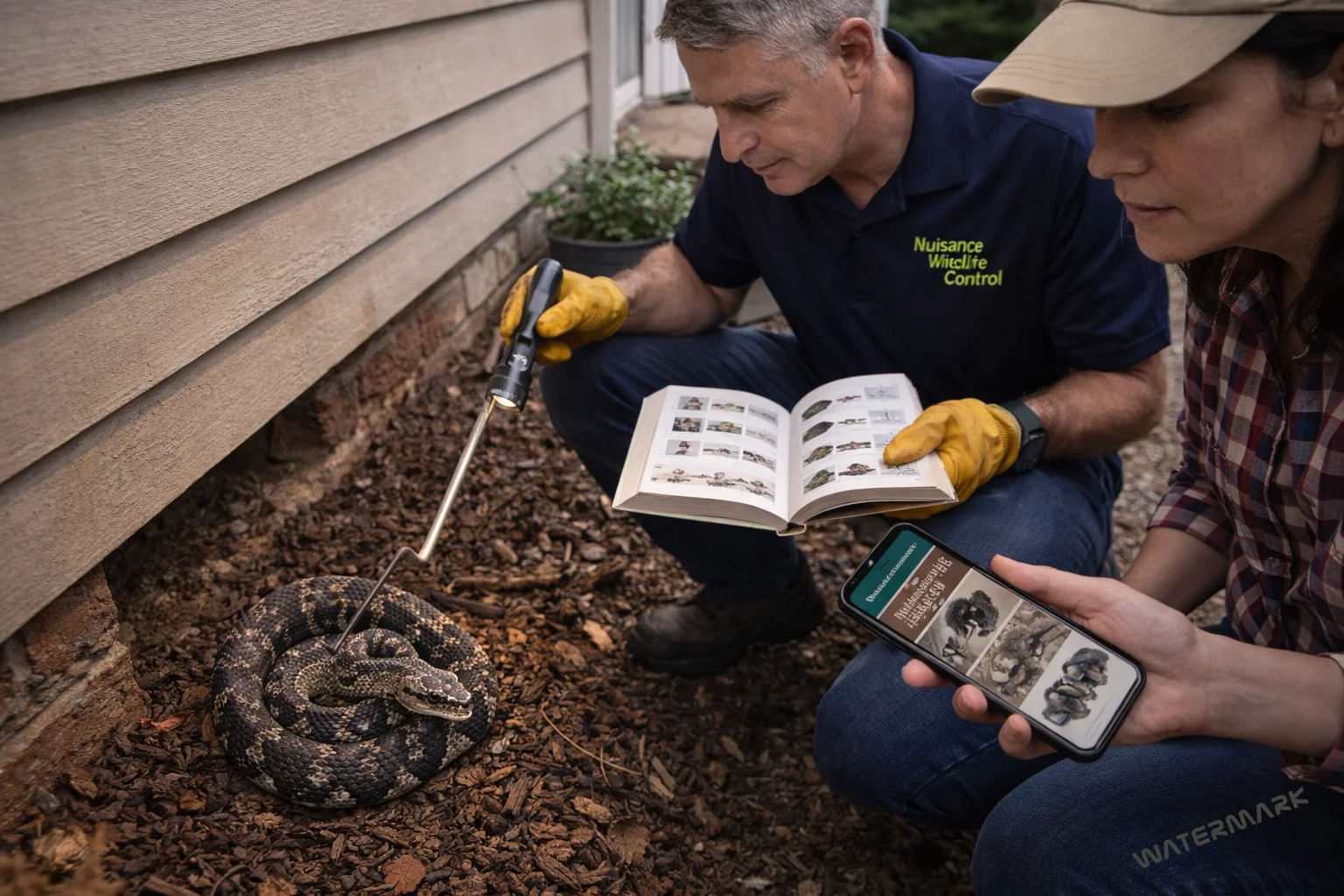
Snakes: same day
Most snake calls are single-encounter situations: identify, remove, give yard-prevention guidance. Done.
What slows a job down
- Maternity timing. The biggest factor for bats and the second-biggest for squirrels and raccoons.
- Weather. Roof work, exclusion timing, and trap placement all depend on workable conditions.
- Decontamination dwell times. Anti-microbial treatments need time to work before the next step.
- Multiple entry points. A roof with eight entries takes longer than a roof with one.
- Insurance coordination. If you're filing a claim, the carrier's adjuster timeline can extend the project.
What you should expect from us
- Inspection within 24–48 hours of your call.
- Written scope of work before any sealing begins.
- Clear timeline at the time we quote — if it's bats in May, we tell you.
- Photo documentation of every step.
- Final walkthrough so you can see what was done and what was used.
Call 256-636-1168 and we'll book the inspection.