Finding a snake in your home or yard can trigger immediate panic for many people, but not all snakes are dangerous, and understanding how to properly identify and respond to these reptiles is crucial for your safety. Most snakes found around residential properties are non-venomous and actually beneficial, feeding on rodents and other pests. However, some regions are home to venomous species, making accurate identification and safe handling practices essential knowledge for any homeowner.
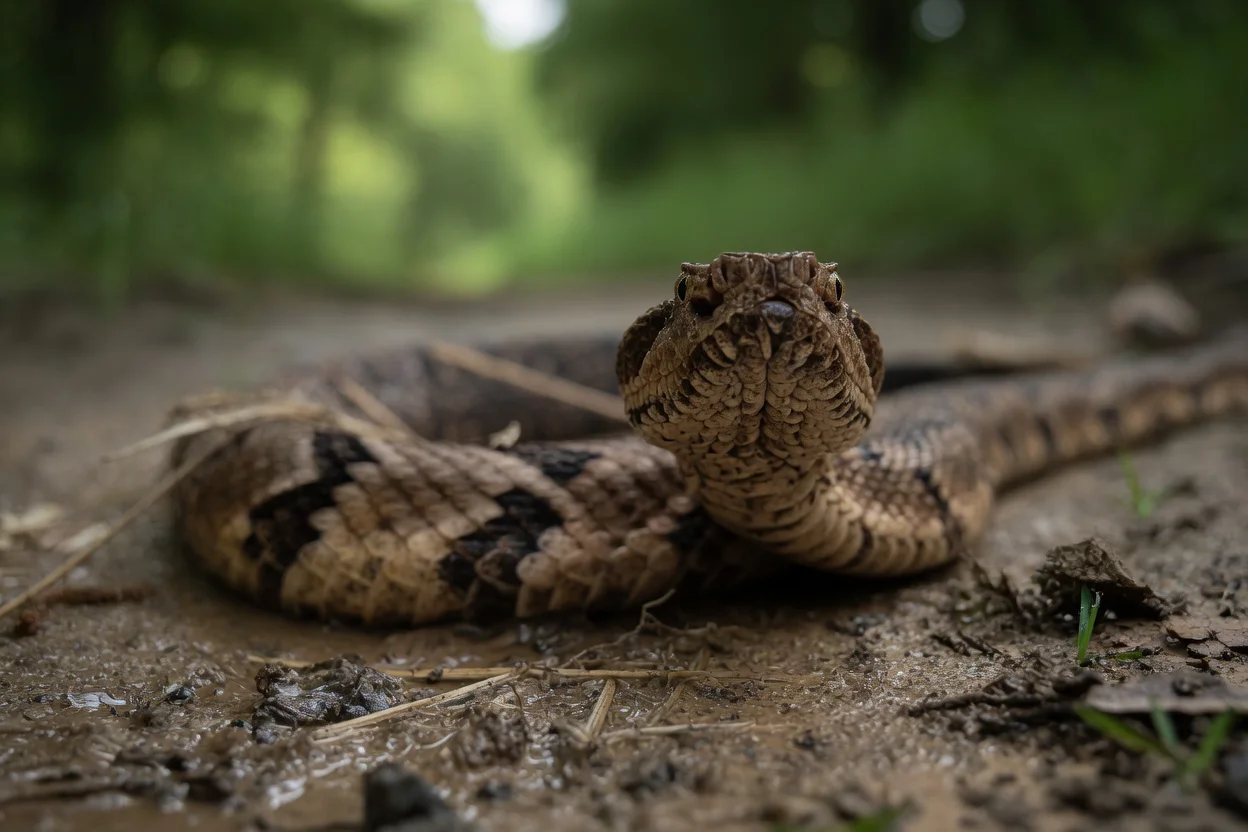
When you encounter a snake, the first rule is simple: never attempt to handle it unless you are absolutely certain of the species and trained in snake handling. Even non-venomous snakes can deliver painful bites when threatened. In the United States, venomous snakes include rattlesnakes, copperheads, cottonmouths (water moccasins), and coral snakes. Venomous snakes often (but not always) have triangular-shaped heads, vertical slit pupils, and heat-sensing pits between their eyes and nostrils. However, these characteristics can be difficult to observe from a safe distance, and some harmless snakes mimic the appearance of venomous ones as a defense mechanism.
If you find a snake inside your home, safely confine it to one room by closing doors and blocking gaps under doorways with towels. Open windows or exterior doors in that room to provide an escape route, then move people and pets away from the area. Many snakes will voluntarily leave when given the opportunity. Never try to kill a snake – most snake bites occur when people attempt to kill or capture snakes. Even a dead snake can deliver a venomous bite through reflex action for up to an hour after death. If the snake doesn't leave on its own within a reasonable time, or if you suspect it's venomous, call a professional wildlife removal service immediately.
For snakes in your yard, prevention is the best approach. Keep grass cut short, remove brush piles and debris that provide hiding spots, seal cracks in foundations and gaps under doors, and control rodent populations that attract snakes as a food source. Store firewood away from the house and elevated off the ground. Remove potential water sources like standing water in containers or poorly drained areas. A well-maintained yard that offers few hiding places and limited food sources is much less attractive to snakes.
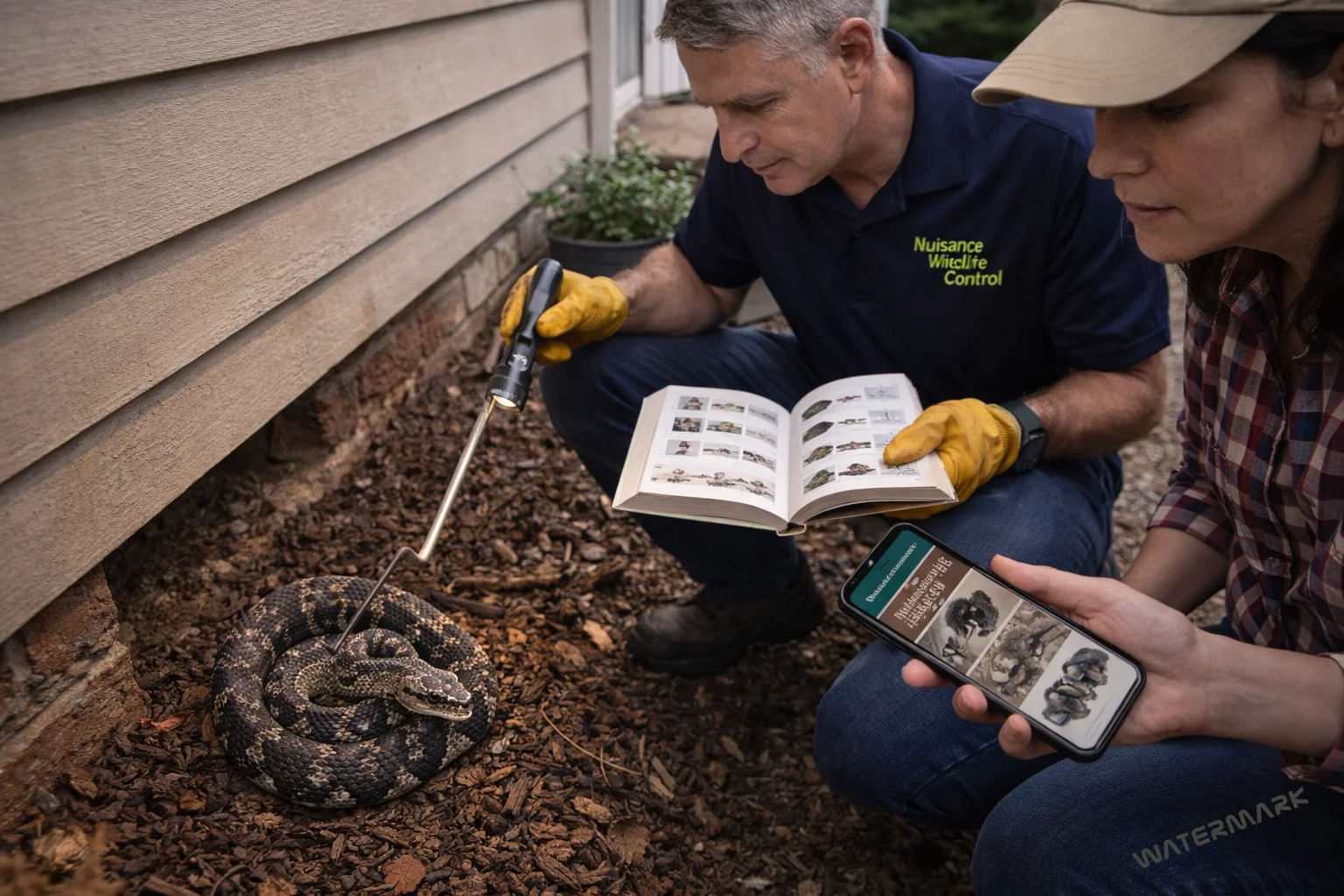
Professional snake removal services have the expertise to identify species accurately, handle both venomous and non-venomous snakes safely, and provide exclusion services to prevent future entry. They can also educate you about the specific snake species in your area and provide customized recommendations for your property. If you live in an area where venomous snakes are common, consider keeping the contact information for a qualified snake removal specialist readily available. Remember, snakes play important ecological roles and most prefer to avoid human contact – with proper precautions and professional help when needed, you can coexist safely with these often-misunderstood reptiles.