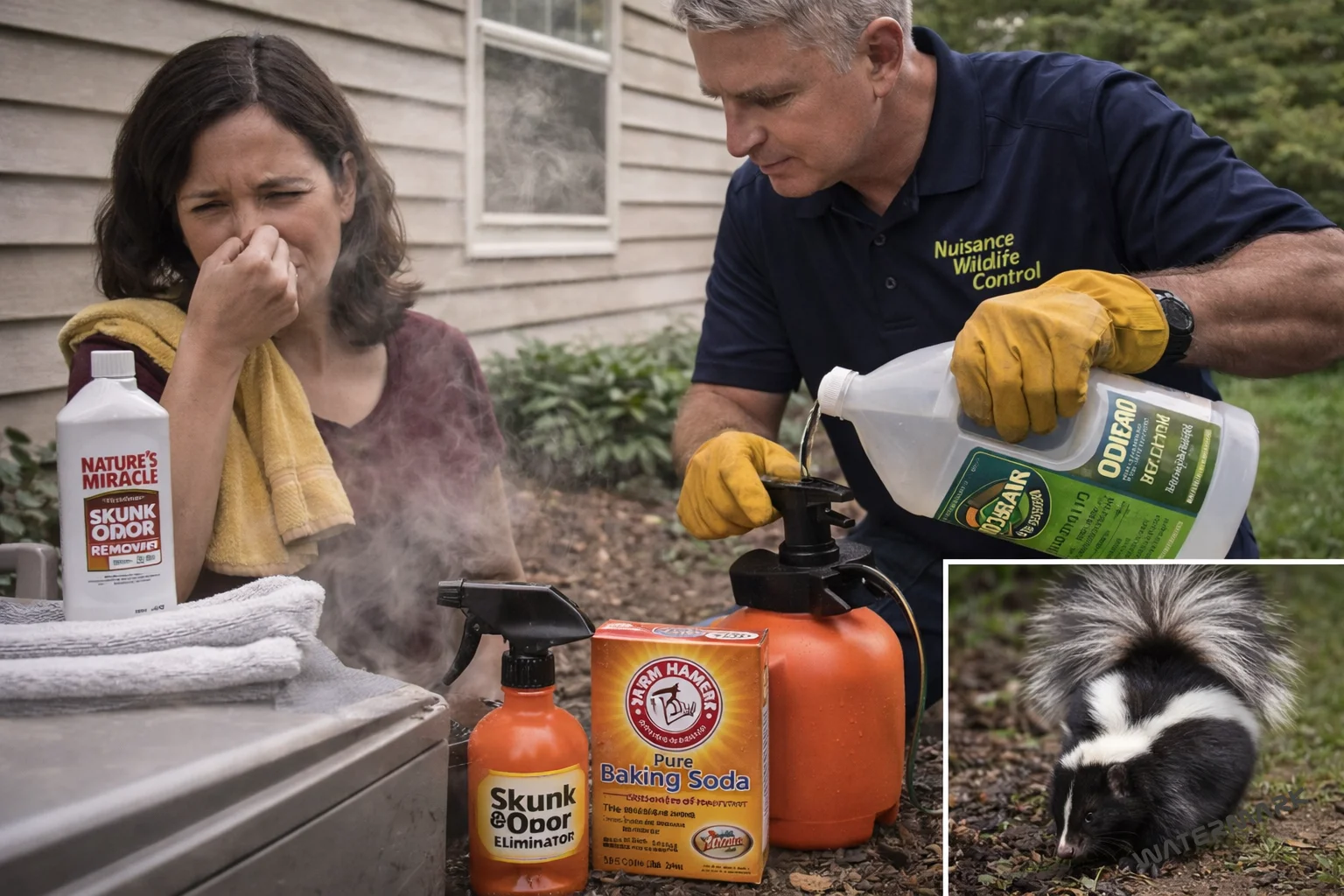
Few wildlife encounters are as immediately unpleasant as a skunk spraying near your home, your pet, or worst of all, you directly. The powerful, sulfur-containing compounds in skunk spray can linger for weeks if not treated properly, and the smell can permeate everything from clothing and furniture to your home's interior. Understanding the chemistry behind skunk odor and knowing the most effective treatment methods can help you recover from this malodorous experience much faster.
The reason skunk spray is so persistent and difficult to remove is due to thiols, sulfur-based organic compounds that bind strongly to proteins in skin, fur, and fabric. Many people's first instinct is to use tomato juice, but this old remedy is largely a myth – it doesn't neutralize the odor, it just temporarily masks it while overwhelming your sense of smell. The most effective treatment requires a chemical reaction that breaks down the thiol compounds rather than simply covering them up.
The gold standard home remedy for skunk odor is a mixture of hydrogen peroxide, baking soda, and dish soap. Combine one quart of 3% hydrogen peroxide, 1/4 cup of baking soda, and one teaspoon of liquid dish soap. This solution must be used immediately after mixing and should never be stored in a closed container, as it produces oxygen gas and could explode. For pets, wet their fur thoroughly, apply the mixture while avoiding eyes and ears, let it sit for 5-10 minutes, then rinse completely. You may need to repeat this process. For contaminated clothing, use the same mixture as a pre-treatment before washing, but test on an inconspicuous area first as hydrogen peroxide can bleach fabrics.
For skunk spray that has affected your home's exterior, yard, or hard surfaces, commercial enzymatic cleaners specifically designed for skunk odor are highly effective. These products contain bacteria and enzymes that actually digest the odor-causing compounds. For contaminated areas of your house, improve ventilation by opening windows and using fans, and consider using an ozone generator (following manufacturer's safety instructions carefully). Soft surfaces like curtains, upholstery, and carpets may require professional cleaning if home remedies don't fully eliminate the odor.
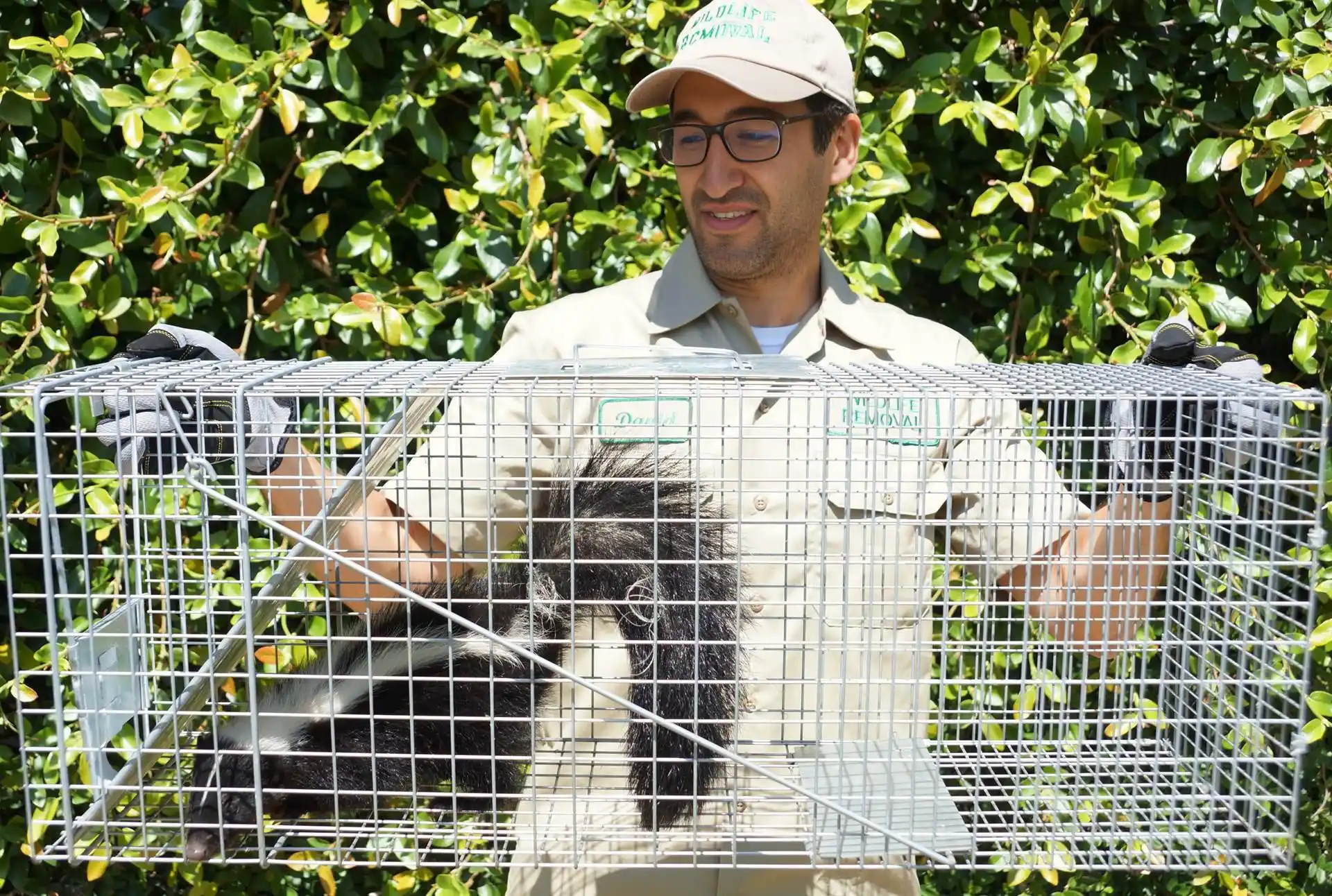
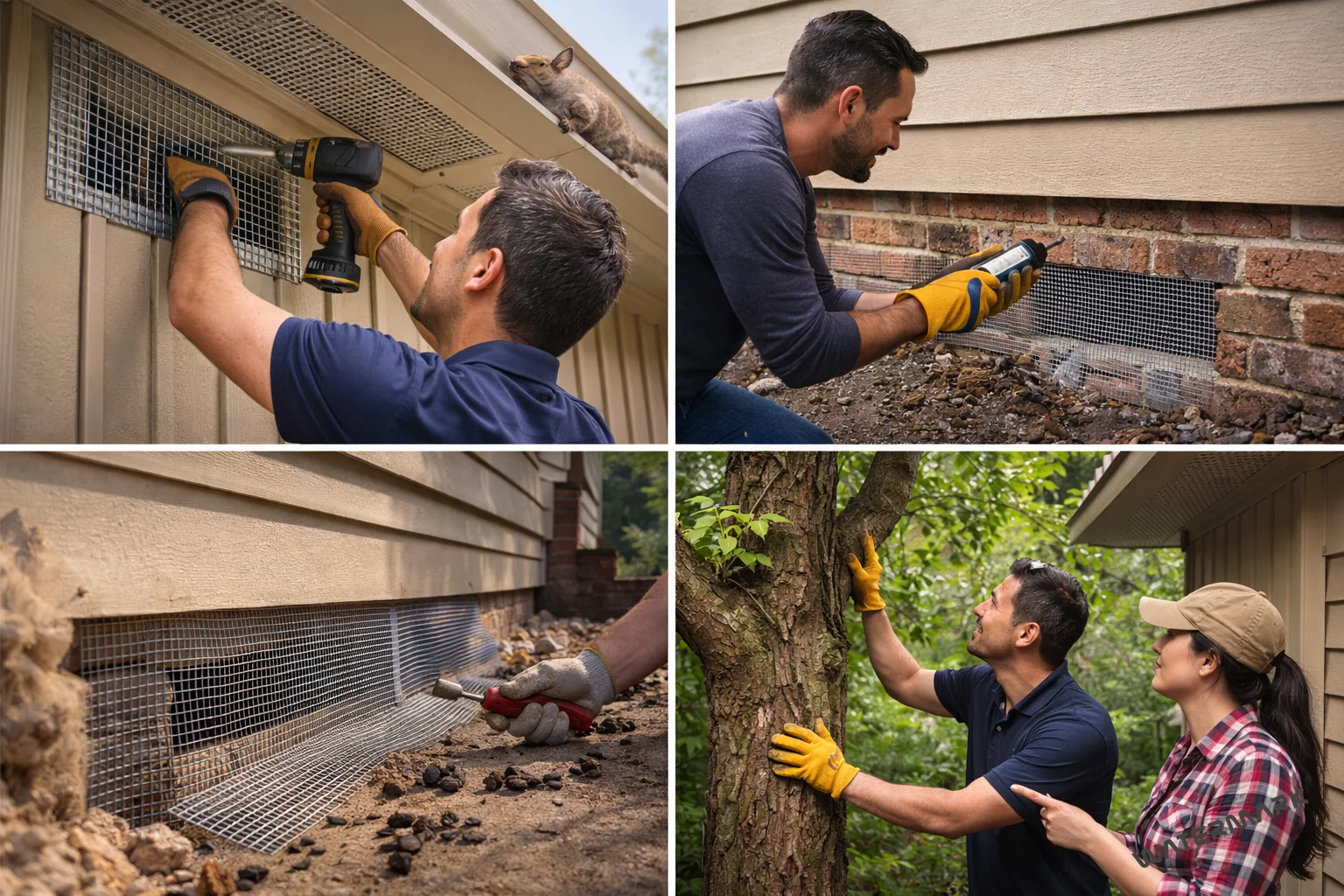
Prevention is obviously preferable to treatment. If skunks are frequenting your property, remove attractants like accessible garbage, pet food, grubs in your lawn, and brush piles that provide shelter. Skunks often den under porches, decks, and sheds, so inspect your property and install barriers to prevent access to these areas. If you encounter a skunk, back away slowly and give it an escape route – skunks only spray as a last resort when they feel trapped or threatened. For persistent skunk problems, professional wildlife control services can humanely trap and relocate the animals while providing exclusion services to prevent their return, saving you from future odorous encounters.